Piano Removals in Sussex & Surrey
Pianos are heavy, delicate and awkward — our piano removals crews move uprights and grands across Sussex and Surrey, with the equipment and technique the job demands, whatever the access. A LAPADA Approved Service Provider, with 624 customer reviews and a fixed written quote before anything is lifted.
- Uprights, baby grands and grand pianos
- Specialist equipment and trained movers
- Careful planning for tight access and stairs
- Fully insured handling
Need Piano Removals? Get a Free Quote
Tell us about your move for a fast, fixed price — no obligation.
Moving Pianos Safely, Whatever the Access
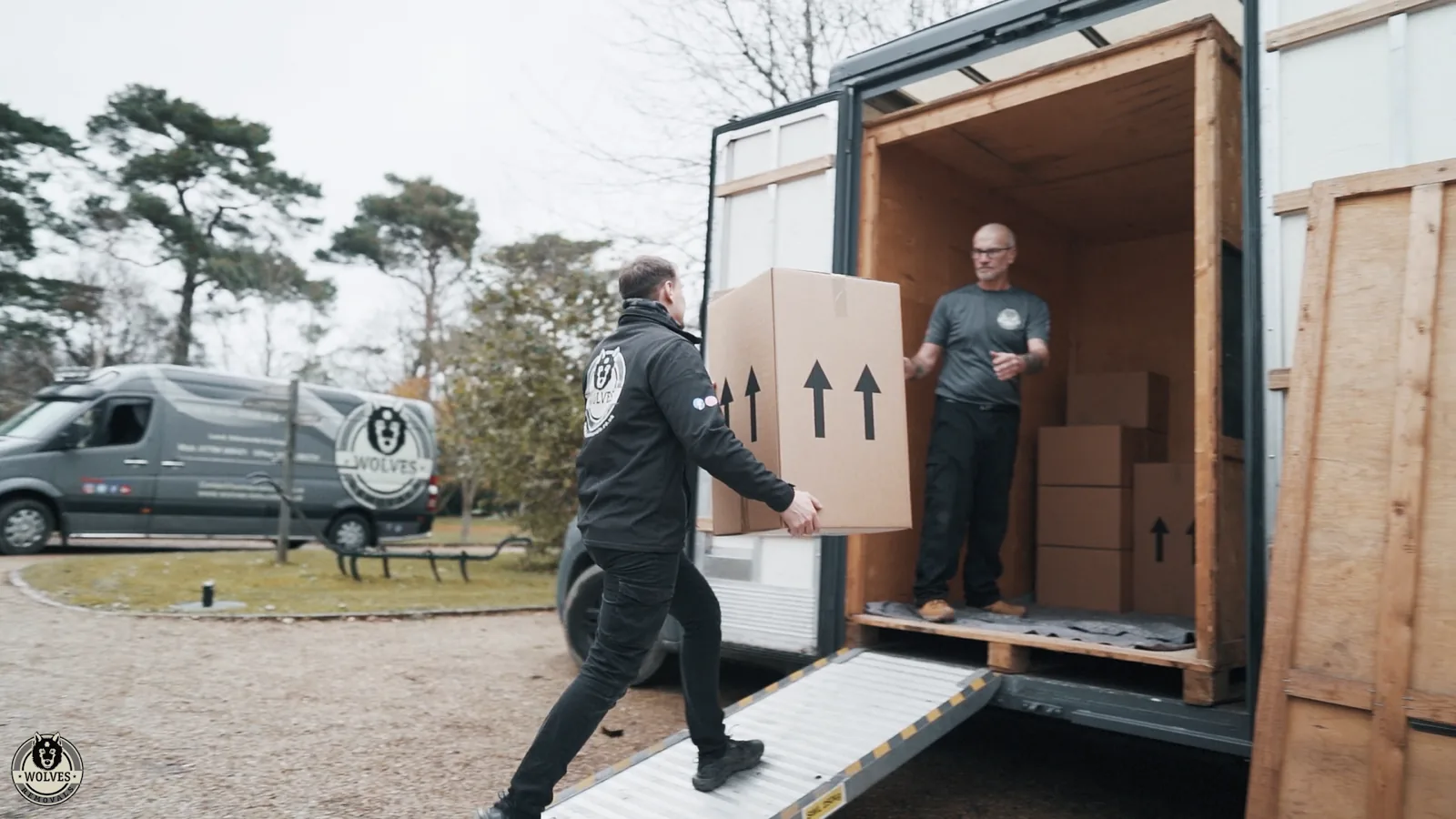
A piano can weigh several hundred kilograms and is easily damaged if handled incorrectly — and it can injure people who try to move it without the right equipment. Our trained team uses piano boards, skates, padding and careful planning to navigate doorways, stairs and tight access safely.
We move pianos as part of a full house removal or as a standalone job, and can arrange secure storage if needed. For other heavy or delicate items, ask about our specialist handling.
Why Choose Wolves Removals for Piano Removals?
Fully insured & covered
LAPADA Approved Service Provider and Checkatrade-verified, with full insurance on every move.
Trained, experienced team
Over 100 years' combined experience, handling your belongings with real care.
Transparent fixed pricing
Clear written quotes with no hidden extras — you know the cost up front.
One point of contact
A dedicated move coordinator looks after your job from first call to settling in.
Why Pianos Demand a Different Approach to Every Other Item in Your Home
A piano is unlike anything else our crews handle on a removals day. It combines extreme weight with a high, narrow centre of gravity, a delicate string and soundboard assembly hidden beneath a polished cabinet, and a value — financial and sentimental — that rarely shows on the outside. A modern upright typically weighs between 180kg and 300kg, while a baby grand starts around 250kg and a full concert grand can exceed 500kg.
Those numbers matter, but the weight alone is not what catches inexperienced movers out. It is how that weight is distributed. Lift an upright carelessly and the mass tips backwards onto the heaviest internal components; tilt a grand the wrong way and the entire load shifts onto a single caster or leg that was never designed to bear it. As a family-run Sussex removals firm established in 2016, we have learned that successful piano removals are less about brute strength and far more about reading balance, planning the route, and respecting the instrument’s engineering. That is the mindset our team brings to every job, whether it is a treasured upright crossing a Pulborough living room or a Steinway grand travelling across the county.
How Much Does Moving a Piano Cost?
There is no honest flat rate for a piano move, and any firm quoting one over the phone is guessing with your instrument. The price is built from three things. The first is the piano itself — an upright is a simpler lift than a grand, which needs legs, lyre and music desk removed and the body boarded. The second is the access at both ends: stairs, landings, doorway widths and how far the van can park from the door. The third is the distance between the two addresses. We check all three at a survey — by video call or in person — and put the price in writing, usually within 24 hours — a figure that does not move on the day. If the piano travels as part of a full house removal, it is priced within that job rather than as a separate booking, which is normally the cheaper way to do it. For a first idea before anyone visits, the moving cost calculator gives an instant starting figure.

Uprights and Grands — Two Instruments, Two Completely Separate Techniques
People often assume that once you can move one piano you can move them all, but uprights and grands could hardly be more different to handle. An upright keeps its full height throughout the move, so the priority is controlling that tall, top-heavy mass on a robust four-wheel piano trolley while two crew members steady it from either end. The danger with an upright is always the backward tip, so we keep it square, never let it lean against an unsupported wall, and pad the back panel where the internal frame sits closest to the surface.
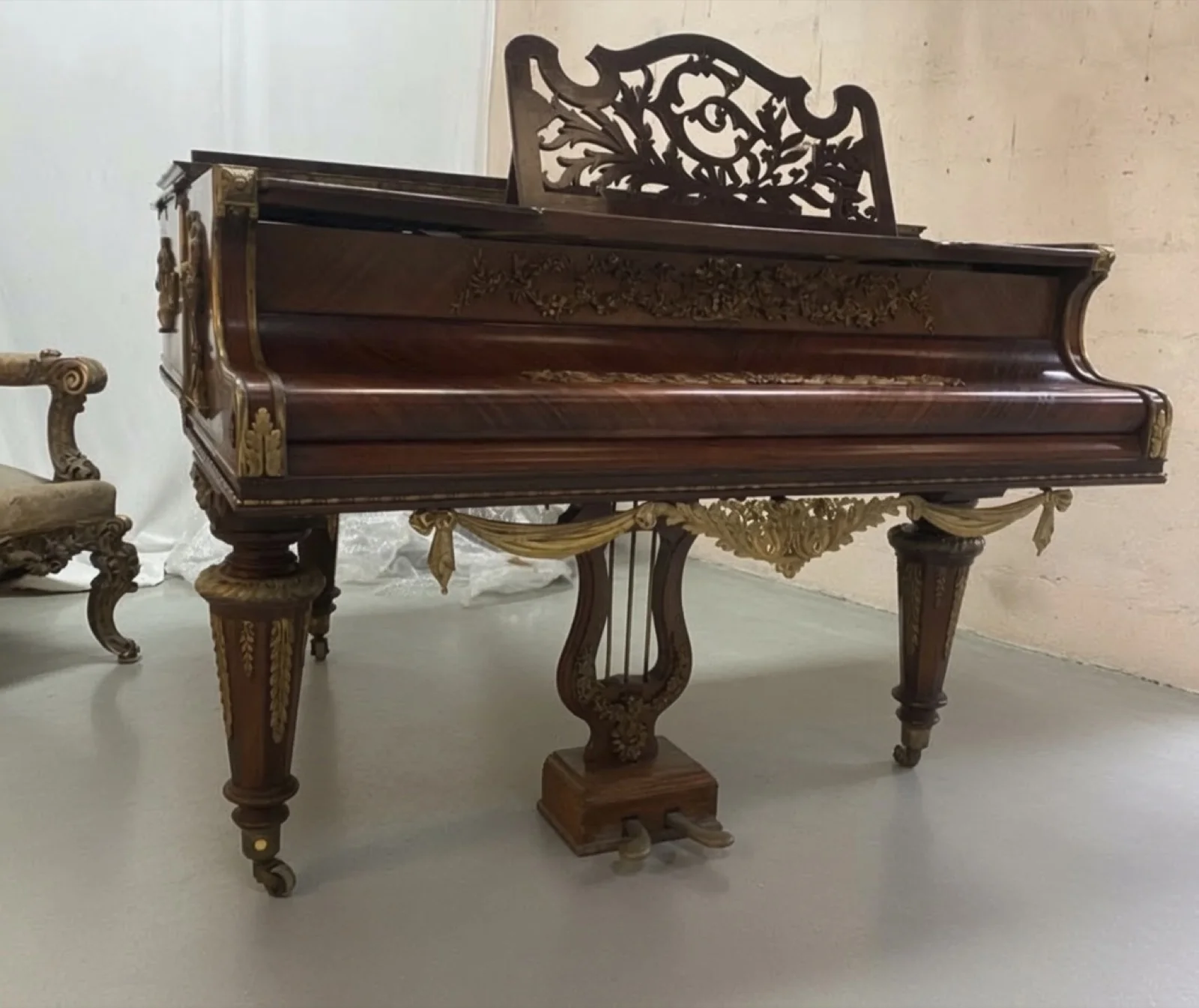
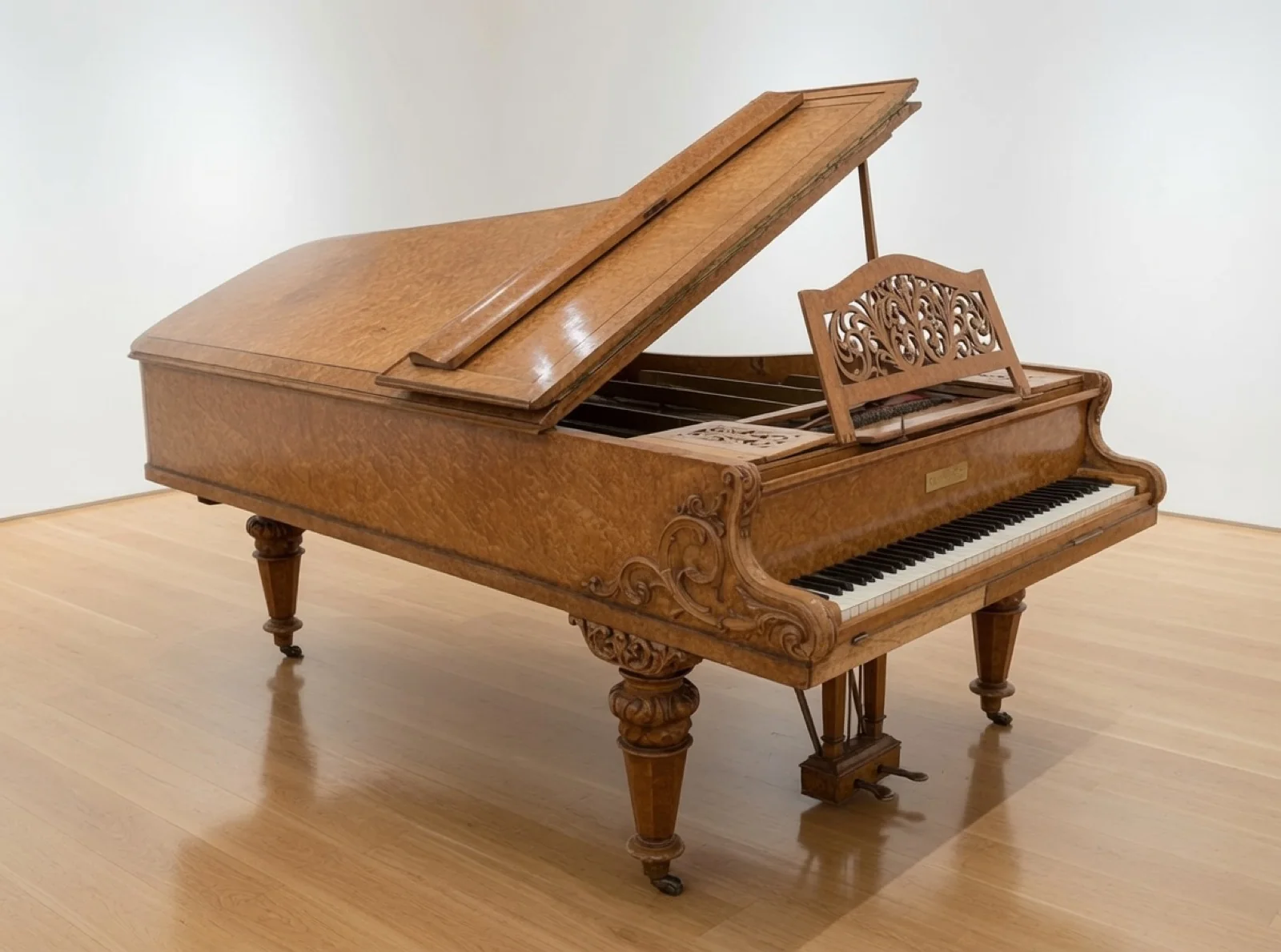
A grand is a different discipline entirely. To move a grand safely it is partly dismantled at the start: the lid is closed and locked, the music desk removed, the pedal lyre detached, and the three legs unbolted in a specific order so the instrument is never left resting on a leg that is about to come off. The body is then lowered onto its straight side onto a padded piano skid board, strapped securely, and stood upright on the skid for transport. Reassembly at the destination reverses the sequence with equal care. We treat each format on its own terms, and where an instrument is especially valuable or antique we extend the same handling principles we apply across our specialised antiques moving service.
- Uprights — kept full height on a piano trolley, controlled against the backward tip, back panel padded
- Grands — legs, lyre and music desk removed, body laid on a padded skid board and strapped
- Baby grands — same skid technique scaled down, with extra care on lid and casework
- Player and digital hybrids — electronics protected and the action secured before any lift
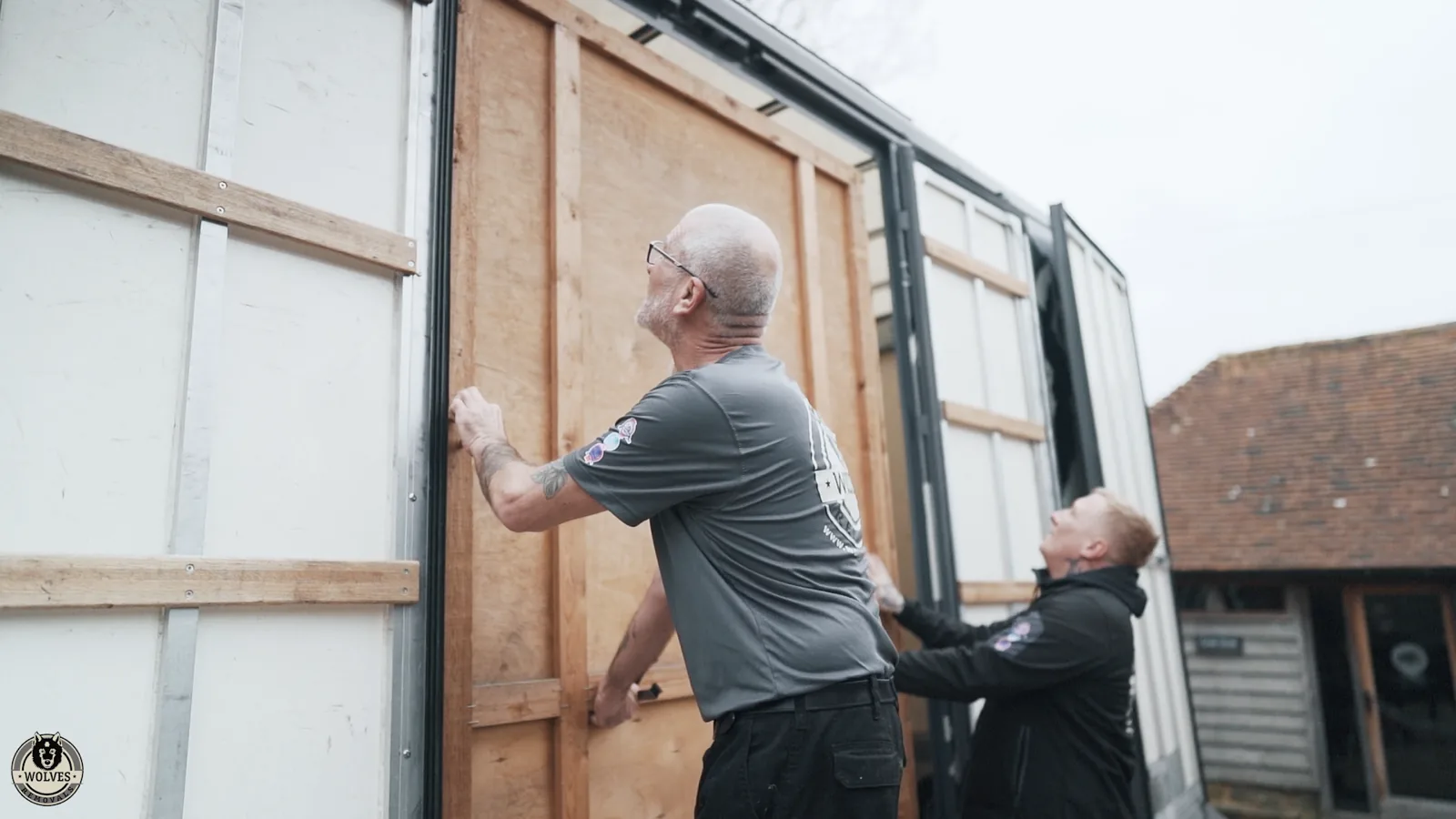
The Specialist Equipment That Makes a Safe Piano Move Possible
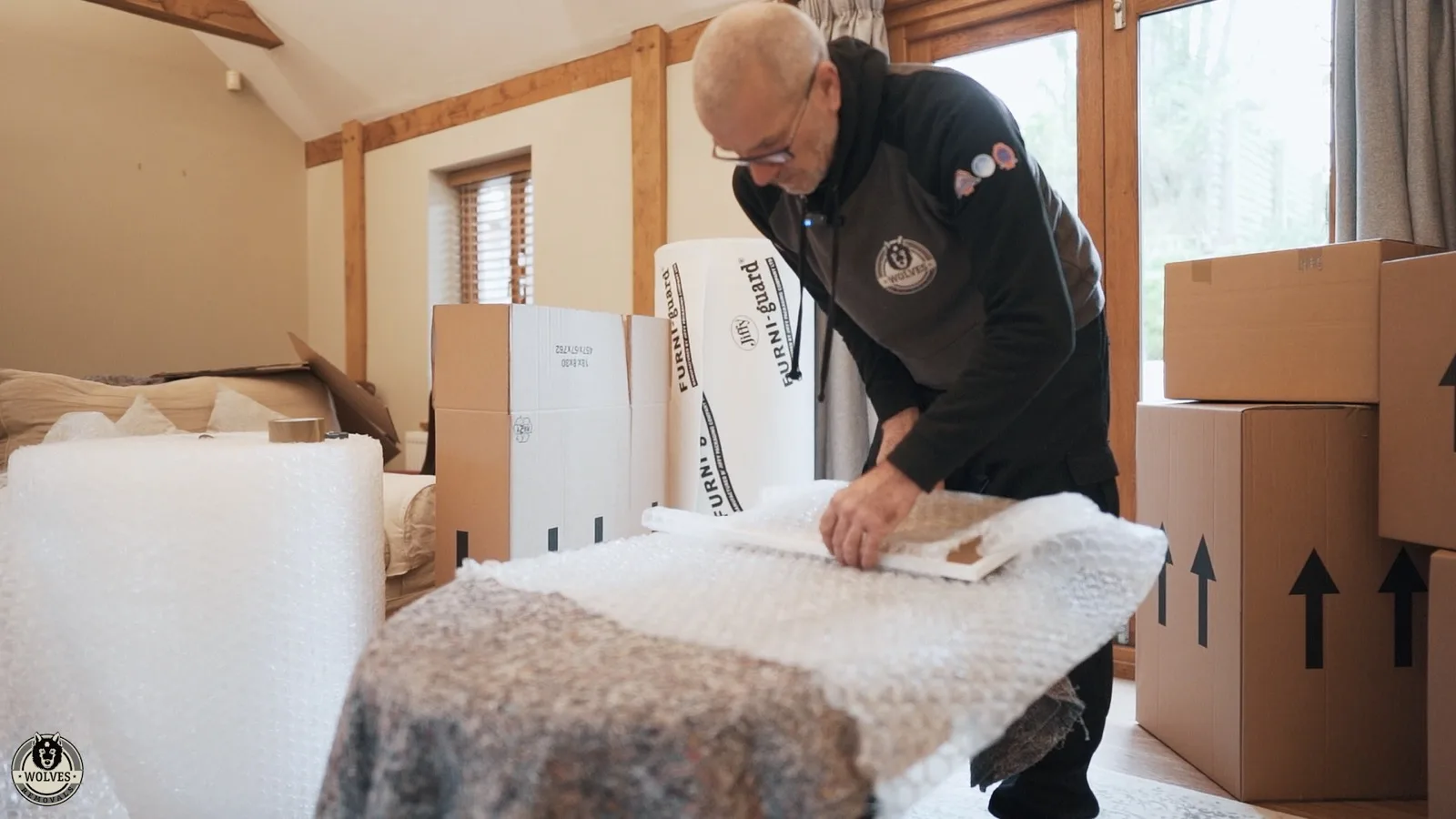
The right kit is the difference between a smooth, uneventful move and an afternoon of struggle and risk. Trying to shuffle a quarter-tonne instrument across a room on a domestic sack truck is how floors, fingers and pianos get damaged. Our crews arrive equipped specifically for the job in hand, and we survey what will be needed before the day so nothing is improvised on the spot. The core of any piano move is a heavy-duty piano trolley for uprights and a padded skid board for grands, supported by wide load-bearing straps that let two people share and control the weight rather than fight it.
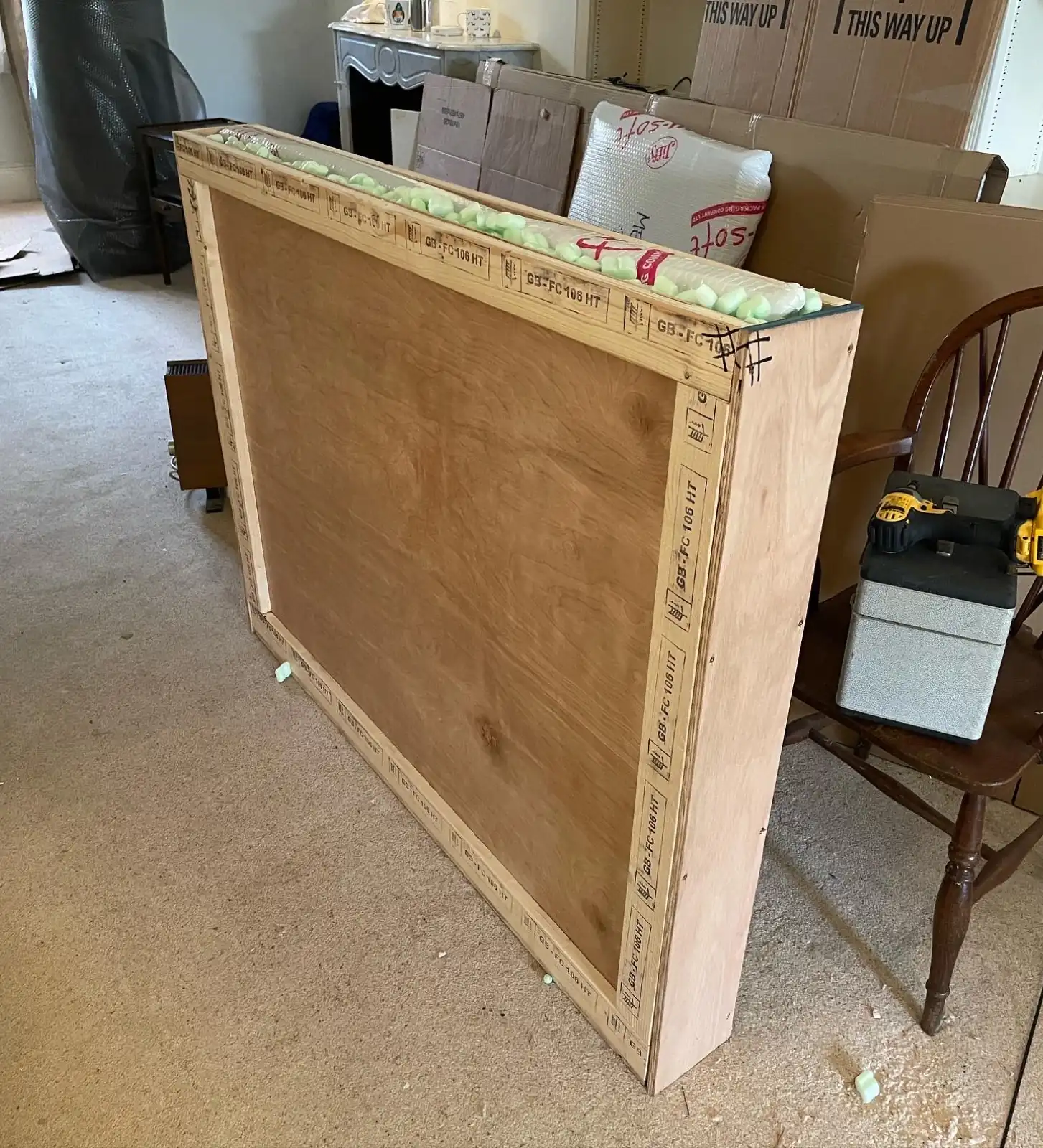
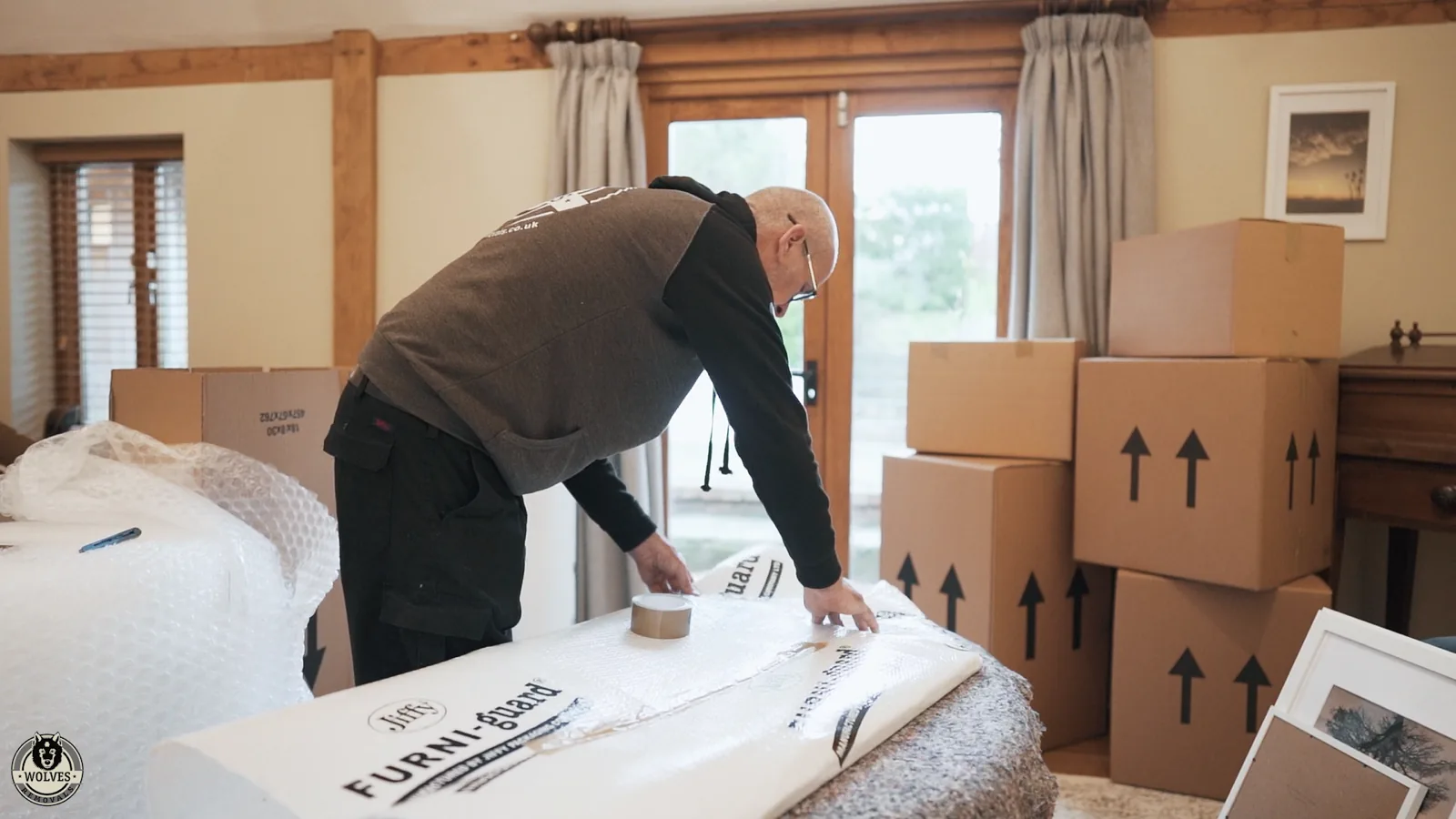
For stairs and steep thresholds we use proper lifting straps and, where the access genuinely calls for it, mechanical stair-climbing equipment so the load is lowered step by step under control rather than dropped or dragged. Every contact point is wrapped in thick quilted padding and stretch wrap to guard the polished casework, and corners and pedals are given extra protection. For the most valuable instruments, or for long-distance and storage journeys, we can build a bespoke timber case through our custom crate service so the piano travels inside a rigid, climate-buffered shell. This is the same equipment-led, methodical standard you will find in our white glove moving service.
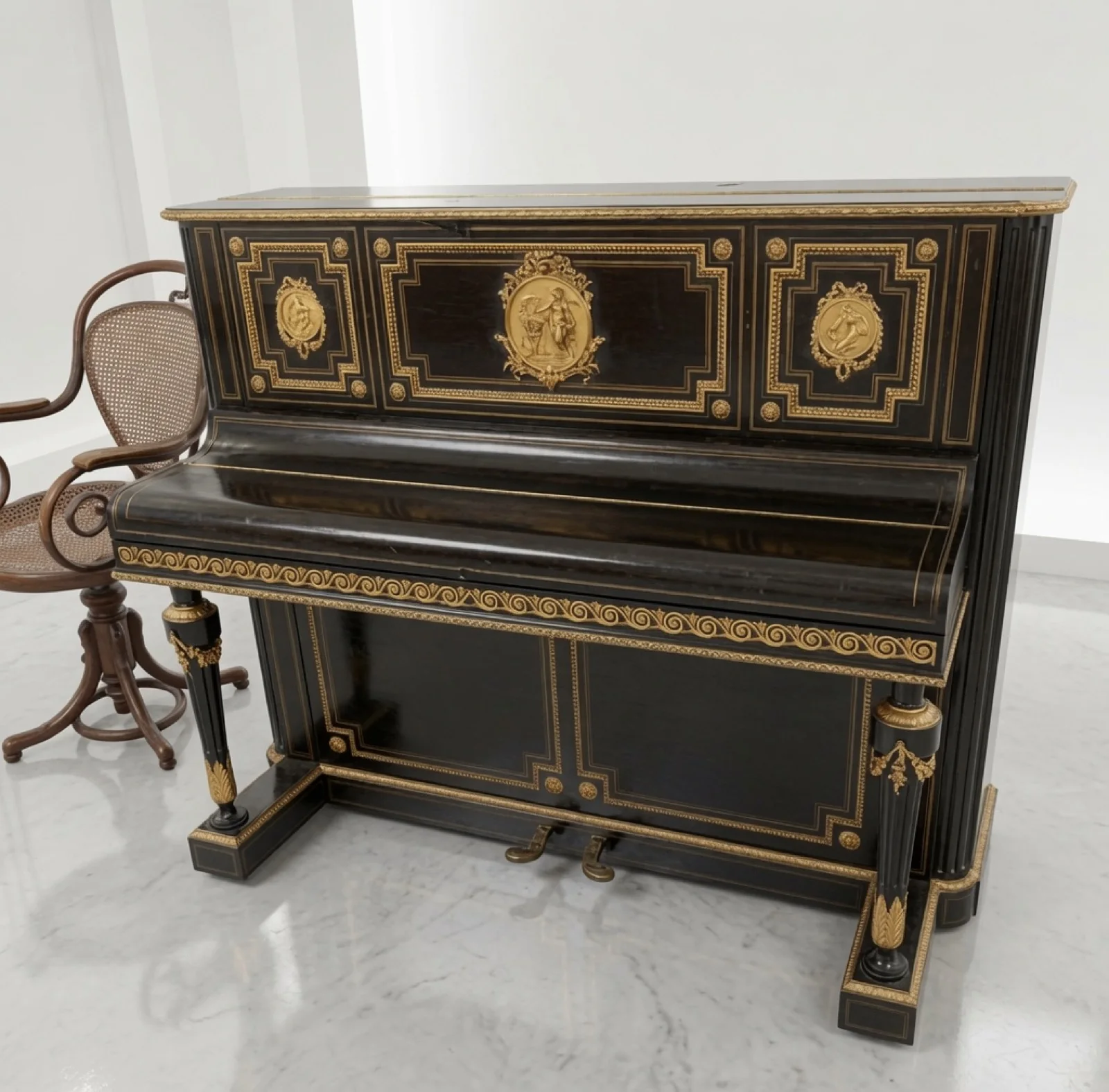
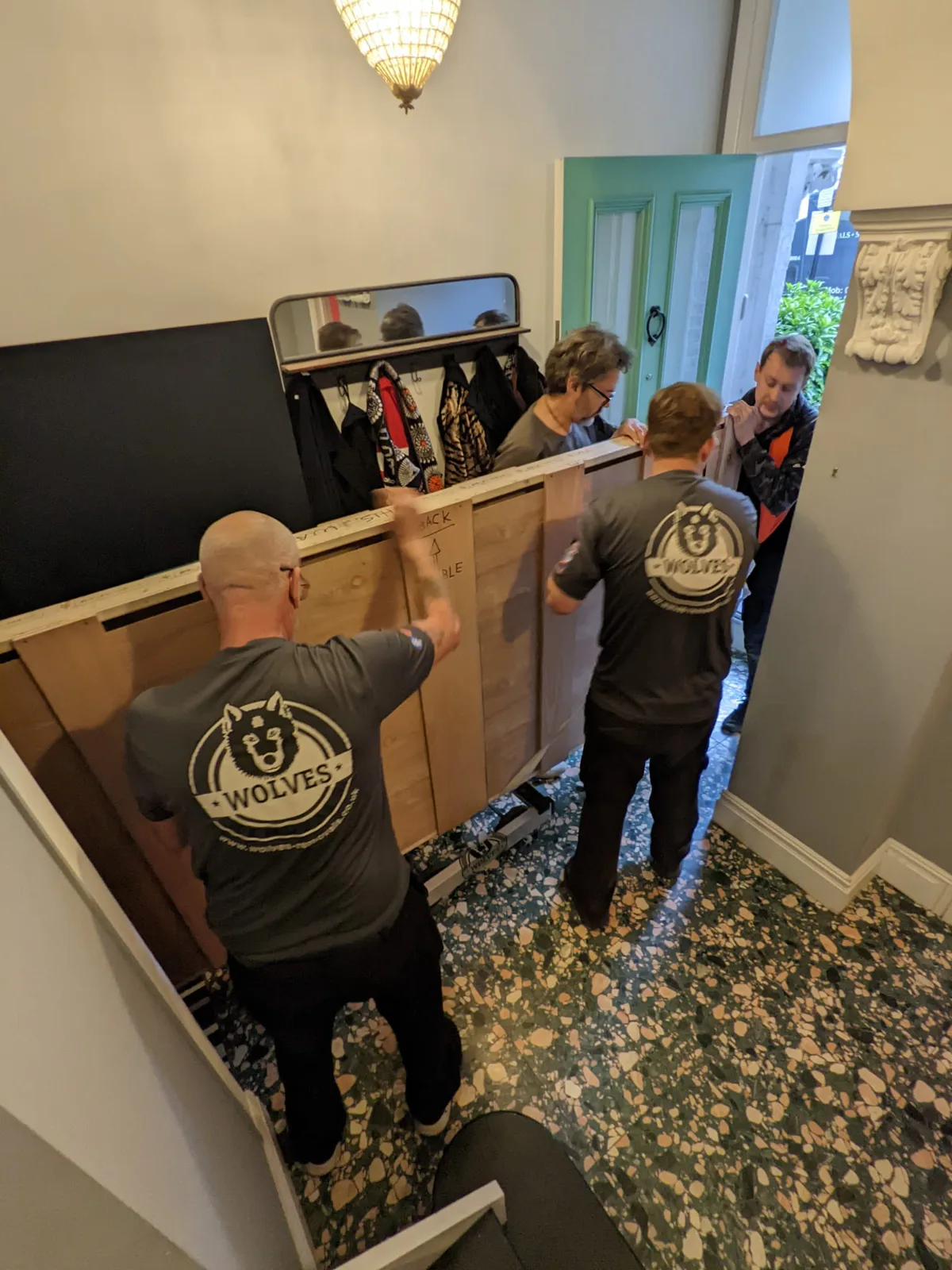
Surveying Access First — Stairs, Doorways and Tight Corners
The single biggest cause of a piano move going wrong is failing to check the access before the instrument is on the move. We never simply turn up and hope it fits. Wherever possible we carry out a survey of both properties first, measuring doorways, stairwells, turning angles on landings, and the headroom on any half-landing where a piano has to be pivoted. A grand that comes apart onto a skid will pass through spaces an upright never could, and knowing this in advance shapes the entire plan for the day.
Sussex has its share of period cottages with narrow Victorian staircases, listed properties with tight winders, and new-build flats where the only realistic route is a particular lift or an external hoist. Identifying those constraints early means we bring the correct equipment and crew size, and occasionally it means recommending that a window or balcony route is the safer option. A proper survey also protects your home: we plan where padding, floor runners and corner guards need to go so skirting boards, banisters and door frames come through untouched. If you would like us to assess access at your property anywhere across West Sussex and the surrounding counties, the survey is the natural first step before we give you an accurate quote.
- Doorway, stairwell and landing measurements taken at both addresses
- Turning and pivot points identified so corners are negotiated, not forced
- Floor runners and corner guards positioned to protect your home
- Window or hoist routes recommended where internal access is genuinely impractical
Protecting the Instrument — and Why You Should Re-Tune After a Move
Even a flawlessly executed move subjects a piano to vibration, temperature change and the small movements that travel does to a wooden frame strung under tens of tonnes of cumulative string tension. For this reason it is normal, and we always recommend it, to have a piano professionally re-tuned a few weeks after relocation. The delay matters: leaving the instrument to settle in its new room and acclimatise before tuning gives the soundboard and tuning pins time to adjust to the new humidity and temperature, so the tuning holds. A piano tuned the same afternoon it arrives will often drift again within days.
Climate is the quiet enemy of any piano. The soundboard is solid timber that expands and contracts with moisture in the air, and sudden swings cause tuning instability and, over time, cracking. We advise positioning a piano away from radiators, exterior walls, conservatories and direct sunlight, and where a move involves the most precious or antique instruments we apply the careful, padded handling associated with our fragile packing service. Throughout it all you are protected: Wolves Removals is fully insured, with goods-in-transit and public liability cover in place, so your instrument is in safe hands from the moment we arrive to the moment it is back on its feet.
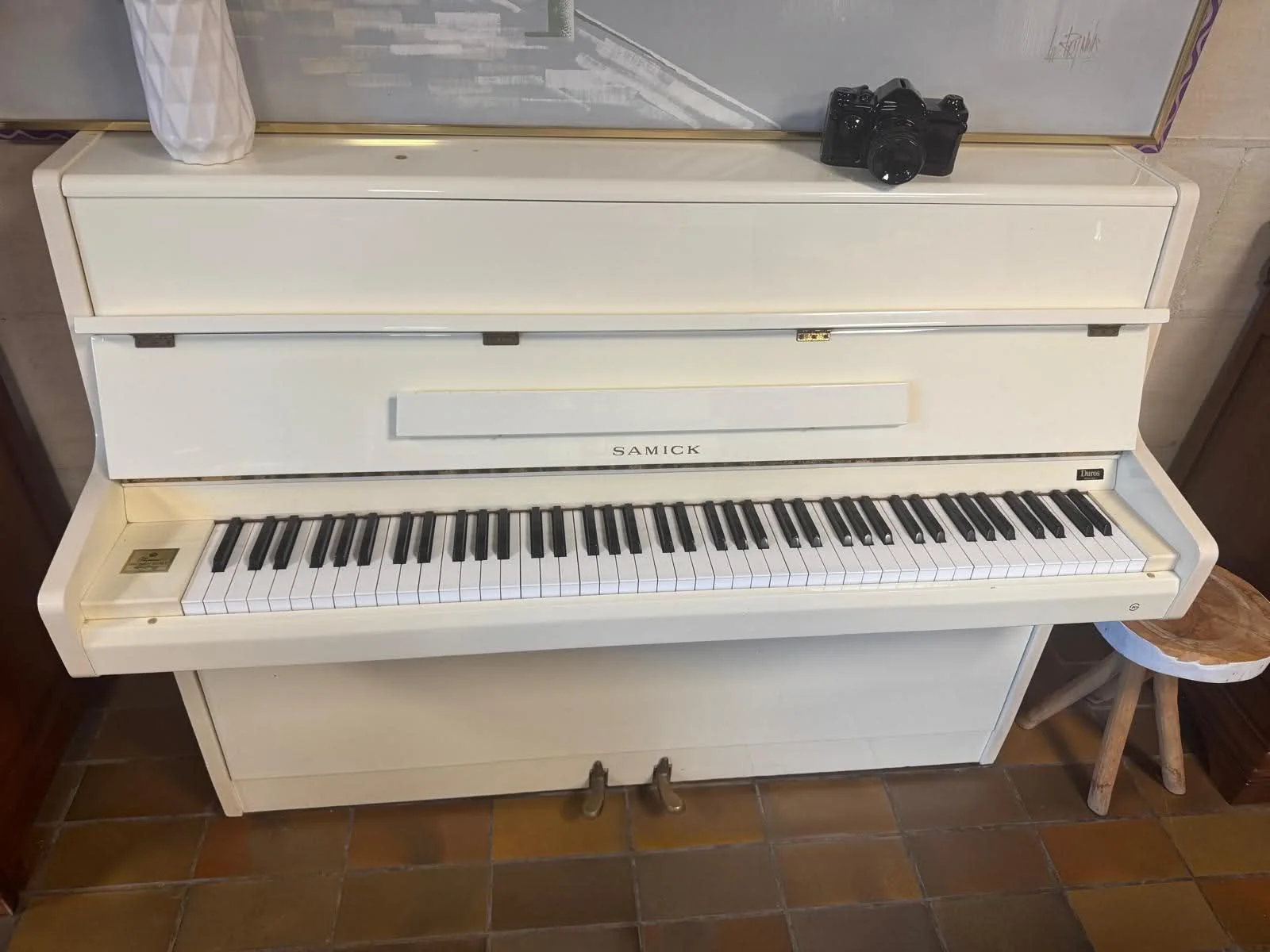
Preparing for Your Piano Move
The heavy lifting is firmly our crew’s job, but two small things on your side help the day run smoothly and protect the instrument.
- Lock the keyboard lid. Close and, where possible, lock the lid so it cannot swing open and be knocked during the lift.
- Photograph its condition first. A few pictures of the piano before the move give you a clear record of its condition before and after.
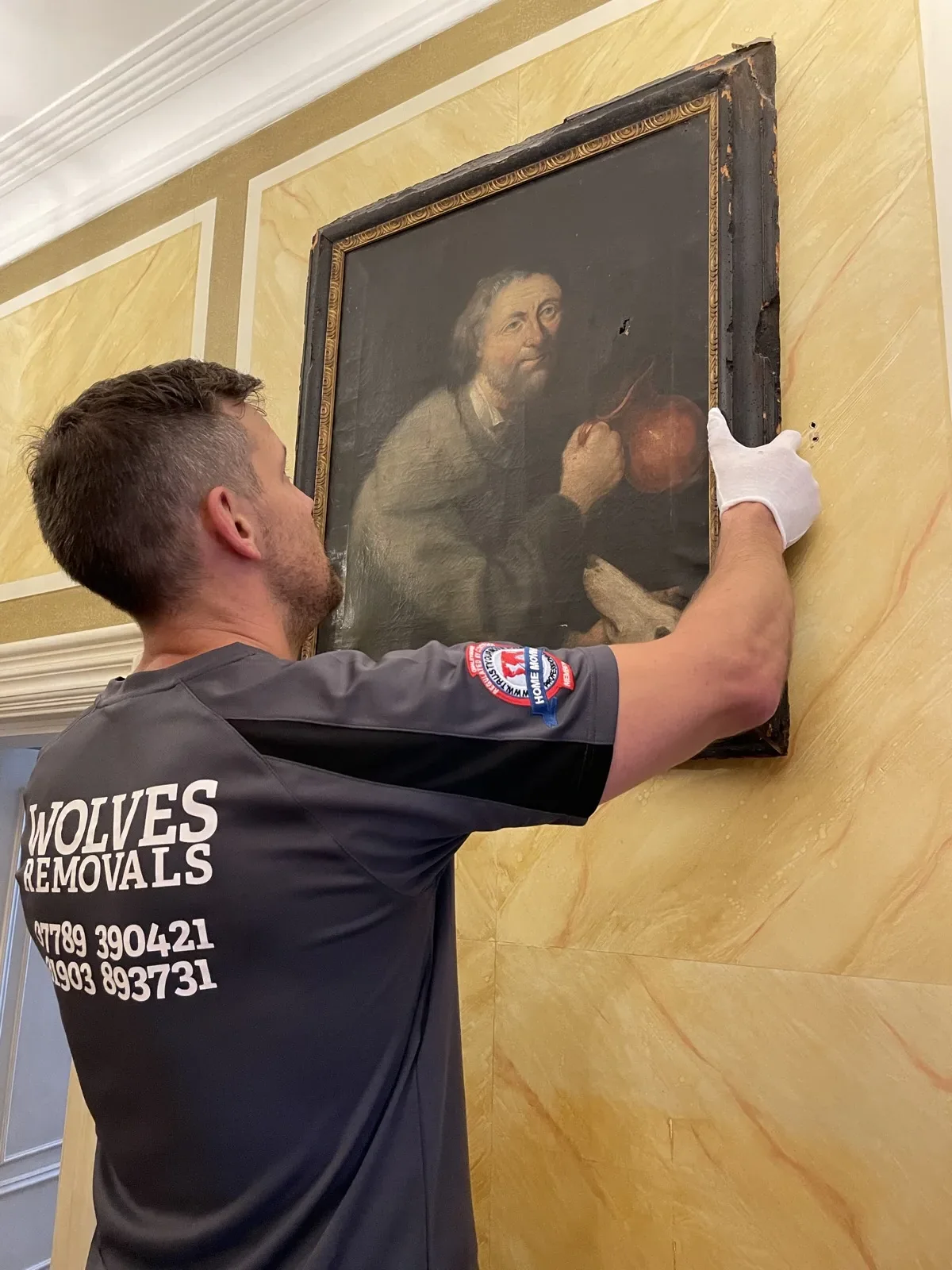
Piano Removals in Guildford, Brighton and Beyond
We move pianos from our West Sussex base near Ashington across both counties — and the jobs themselves are as varied as the towns. Surrey work runs up the A24 corridor through Dorking and across to Guildford, where townhouse staircases are the usual complication. On the coast we carry uprights and grands in and out of Brighton’s Regency terraces and basement flats, along with Shoreham-by-Sea and the East Sussex towns beyond. Closer to home, a piano in Worthing or Lancing is usually handled as part of a local move by the same town crews — their pages cover those areas in detail. Wherever the instrument sits, the process is identical: survey the access, size the crew, board the piano properly and price the whole job in writing before moving day.
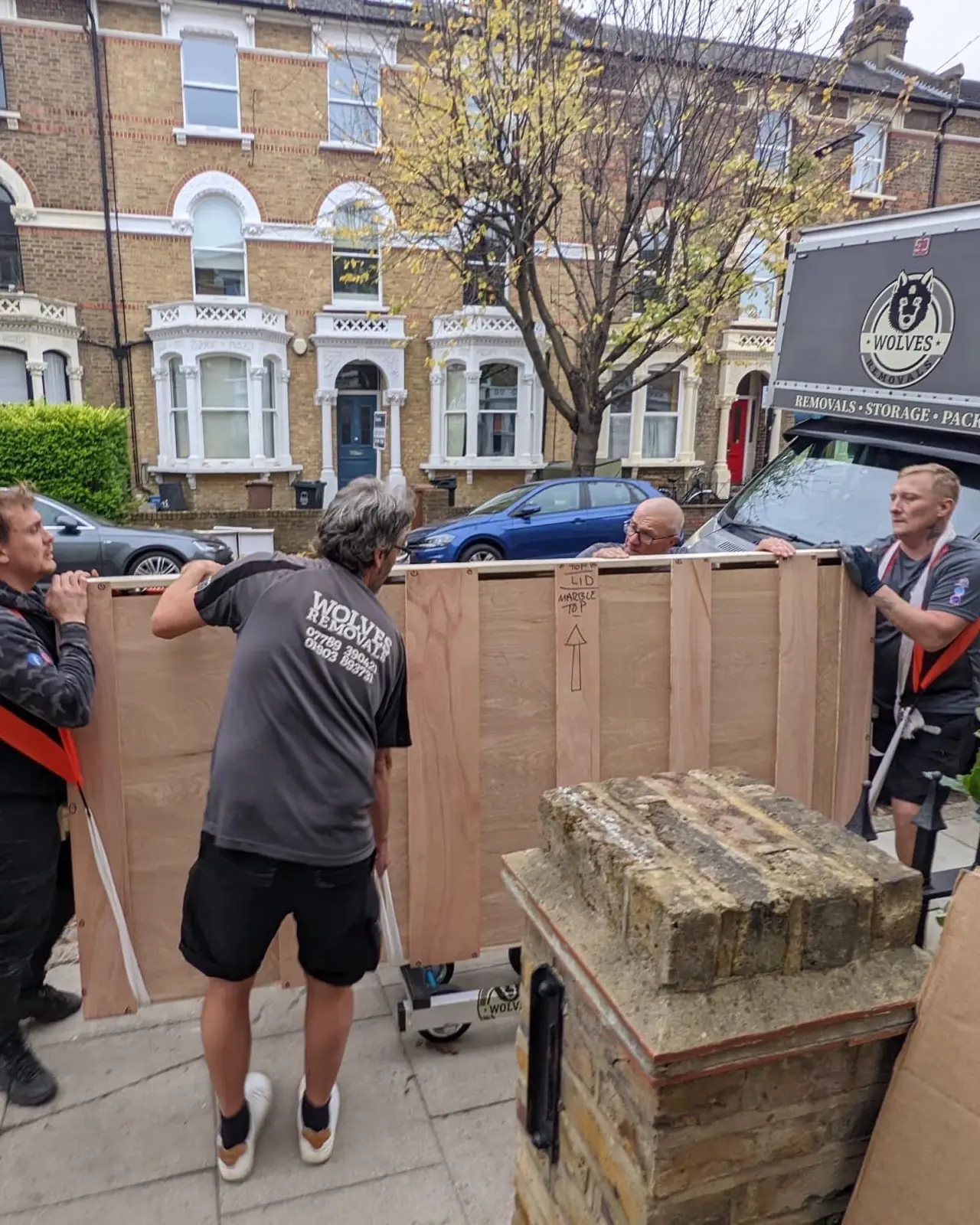
Storing a Piano Safely Between Homes
Pianos and ordinary self-storage do not always mix. An unheated, uninsulated container that swings from cold and damp in winter to hot and dry in summer will work loose a piano’s tuning and, over months, can warp the case or damage the soundboard. When a move involves a gap between properties — a sale completing before a purchase, a renovation, or a relocation in stages — the way the instrument is stored matters as much as the way it is carried. We keep a grand on its skid board, fully wrapped, and an upright securely padded and stood upright, never on its back, so the internal frame is never loaded in a direction it was not built for.
For longer periods we can crate the instrument and hold it within our containerised storage facilities, keeping it wrapped, raised off the floor and protected from knocks while it waits. Because we handle the collection, storage and final delivery as one continuous chain, the piano is touched by the same crew that knows its history, rather than being passed between hands. It is one less thing to worry about when life puts a pause between one home and the next.
Services Related to Piano Removals
Our Step-by-Step Removal Process
Whether you’re moving locally or internationally, downsizing or expanding, trust a removals team that plans the awkward parts — access, parking, packing — before the van arrives.


Why Move With Wolves Removals for Piano Removals?
We’re a friendly, family-run Sussex removals and storage company that has been keeping its promises since 2016. From a single item to a full home or office move, every job is fully insured and led by a dedicated coordinator, so you always have one point of contact.
As a LAPADA Approved Service Provider and a Checkatrade-verified team, we handle it all with real care — expert packing, home and business removals, clean, secure storage and specialist antiques handling across Sussex, Surrey, Hampshire and Kent.
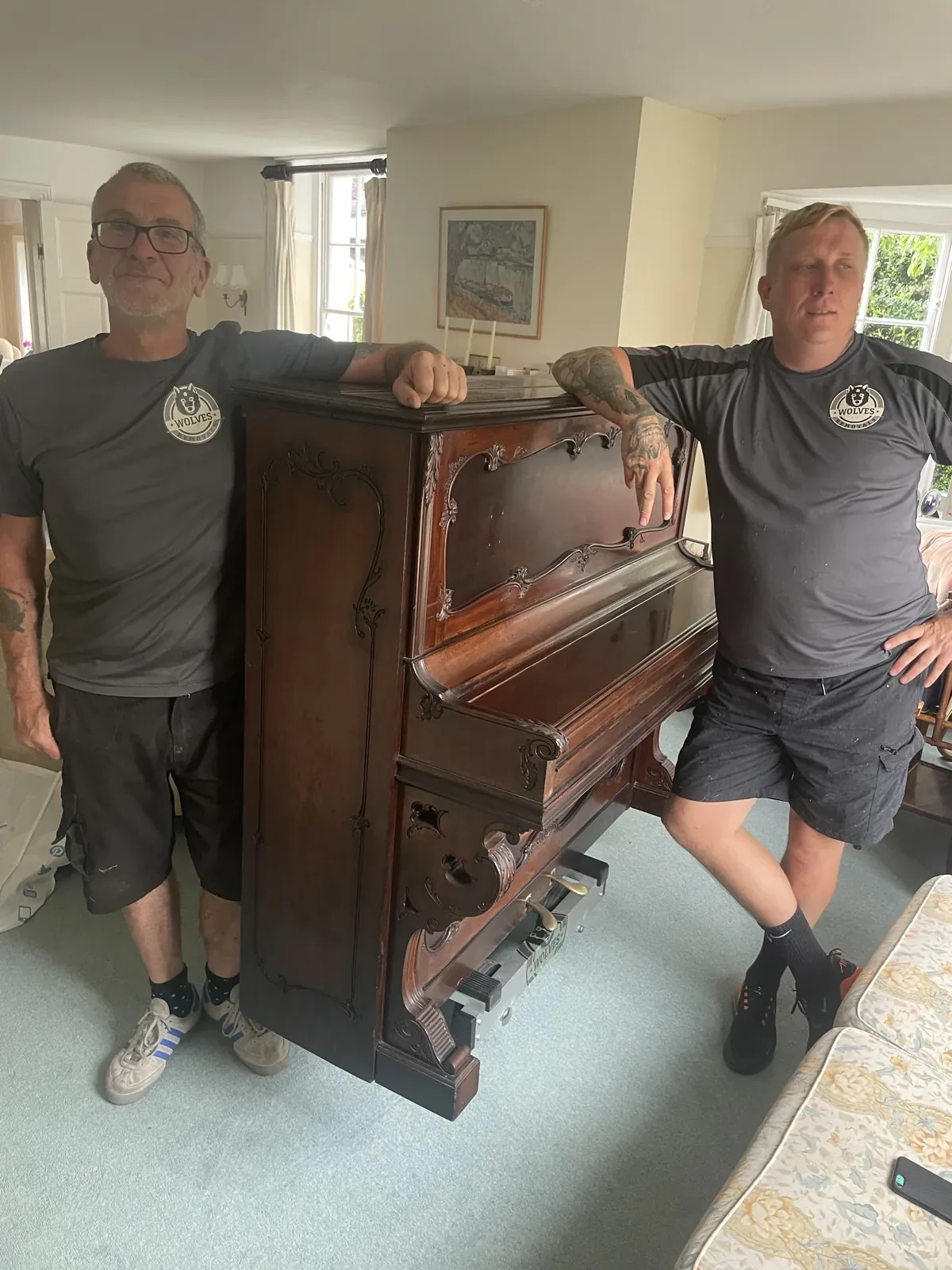


Trusted Piano Removals Since 2016
Wolves Removals is a modern, family-run removals company built on traditional values — reliability, responsiveness and keeping our promises. We’ve been moving homes and businesses across Sussex, Surrey, Hampshire and Kent since 2016, and we’re proud to be recommended by leading estate agents including Fine & Country, Justin Lloyd and Mansell McTaggart.
Our credentials reflect how we work: we are a LAPADA Approved Service Provider for antiques and fine-art handling, Checkatrade-verified, and fully insured on every job. To deliver consistently high standards we run a modern, fully maintained fleet and a trained, experienced team who treat your belongings as their own. We also welcome feedback — listening to our customers is how we keep improving. Read our customer reviews or learn more about us.
Piano Removals Across Sussex, Surrey, Hampshire & Kent
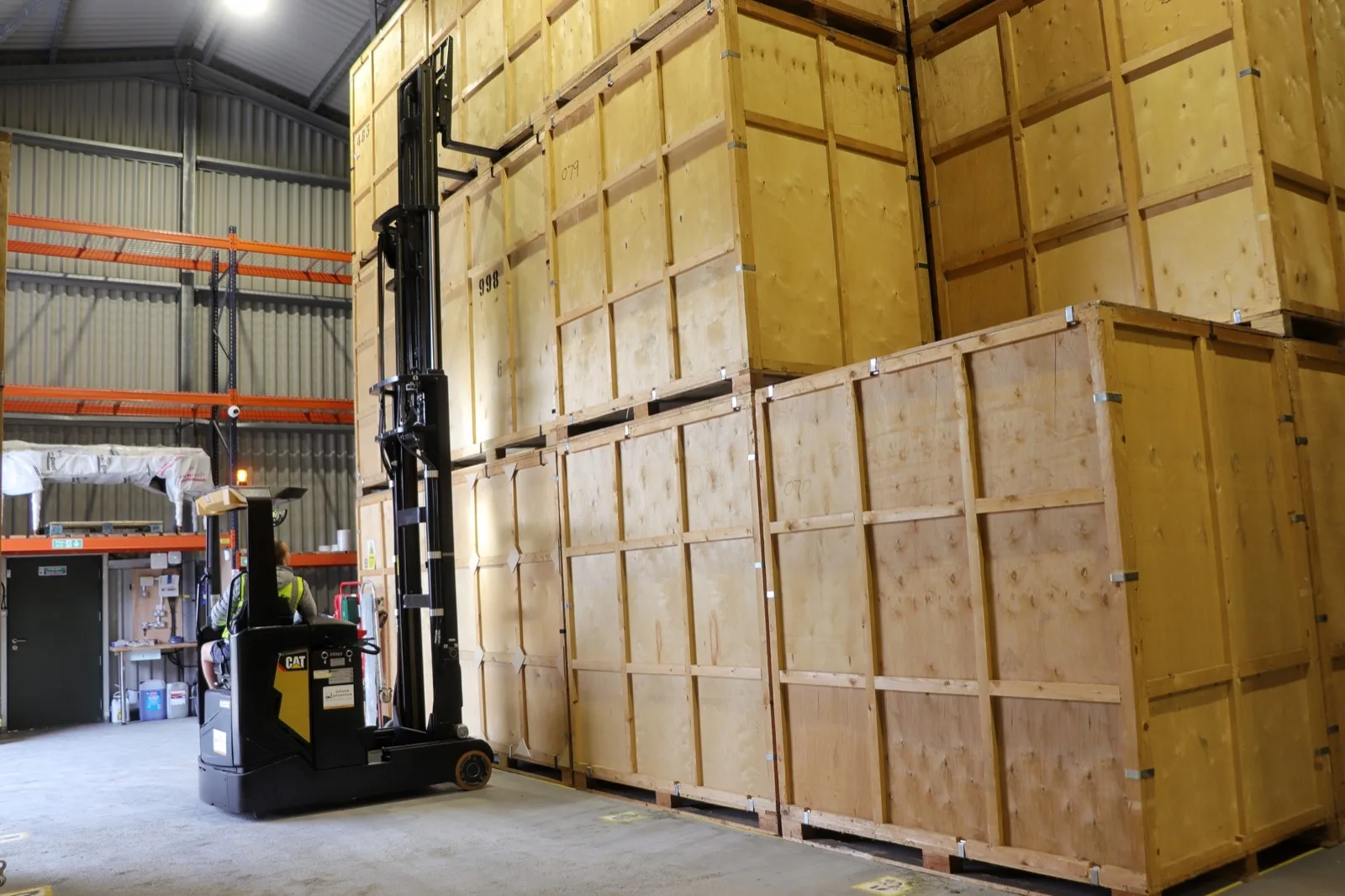
Need Long or Short-Term Storage for Your Home or Business?
Long-Term Storage
Ideal for extended storage between moves, downsizing or freeing up space. Flexible, affordable terms from three months or more.
Explore Long-Term StorageShort-Term Storage
Perfect for moving delays, renovations or temporary storage during transitions — from a couple of days to a few months.
Explore Short-Term StorageBusiness Storage
Secure storage for stock, equipment, office furniture and business moves. Fully managed, including packing and unpacking.
Explore Business StoragePiano Removals with Wolves Removals
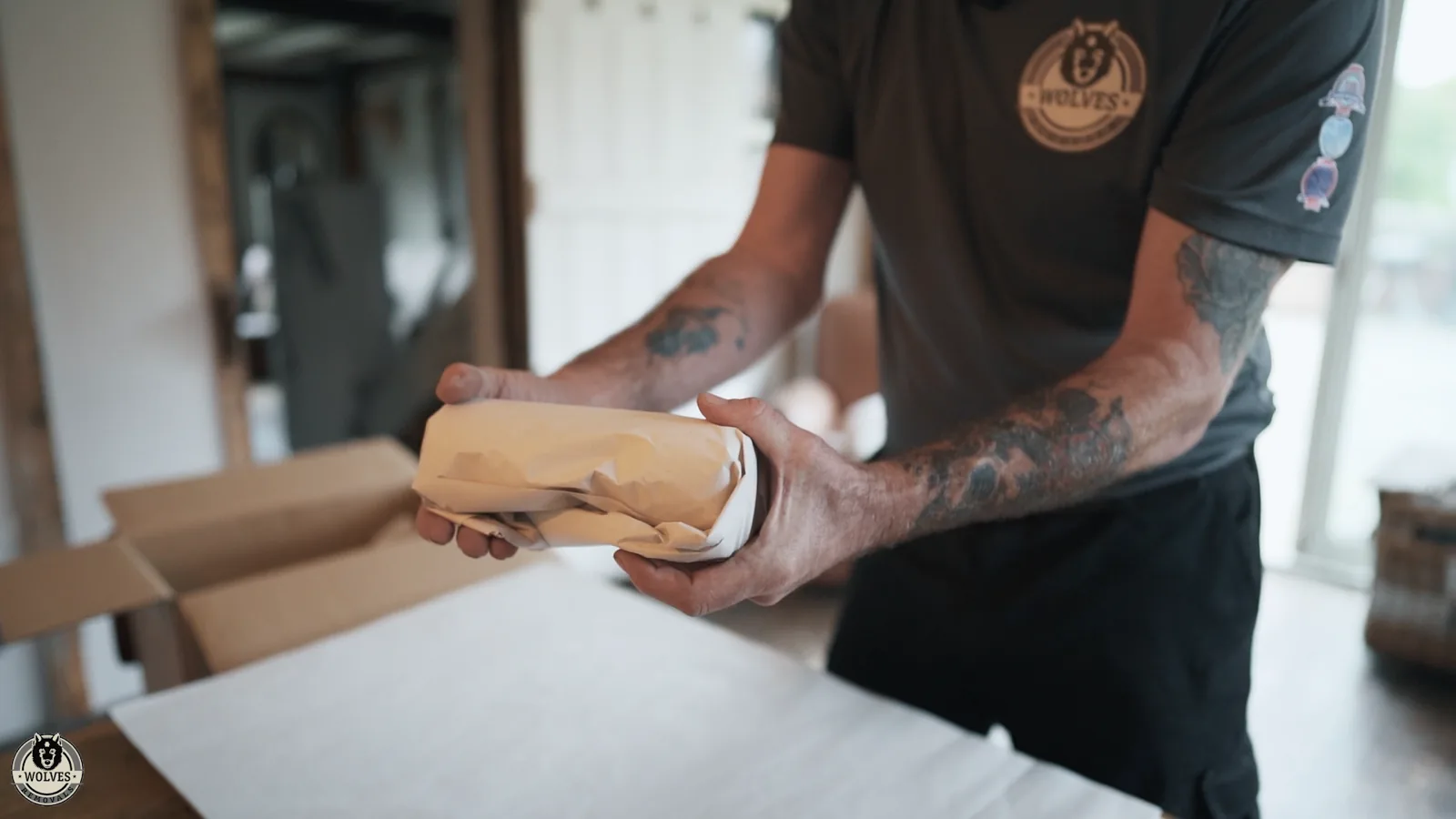
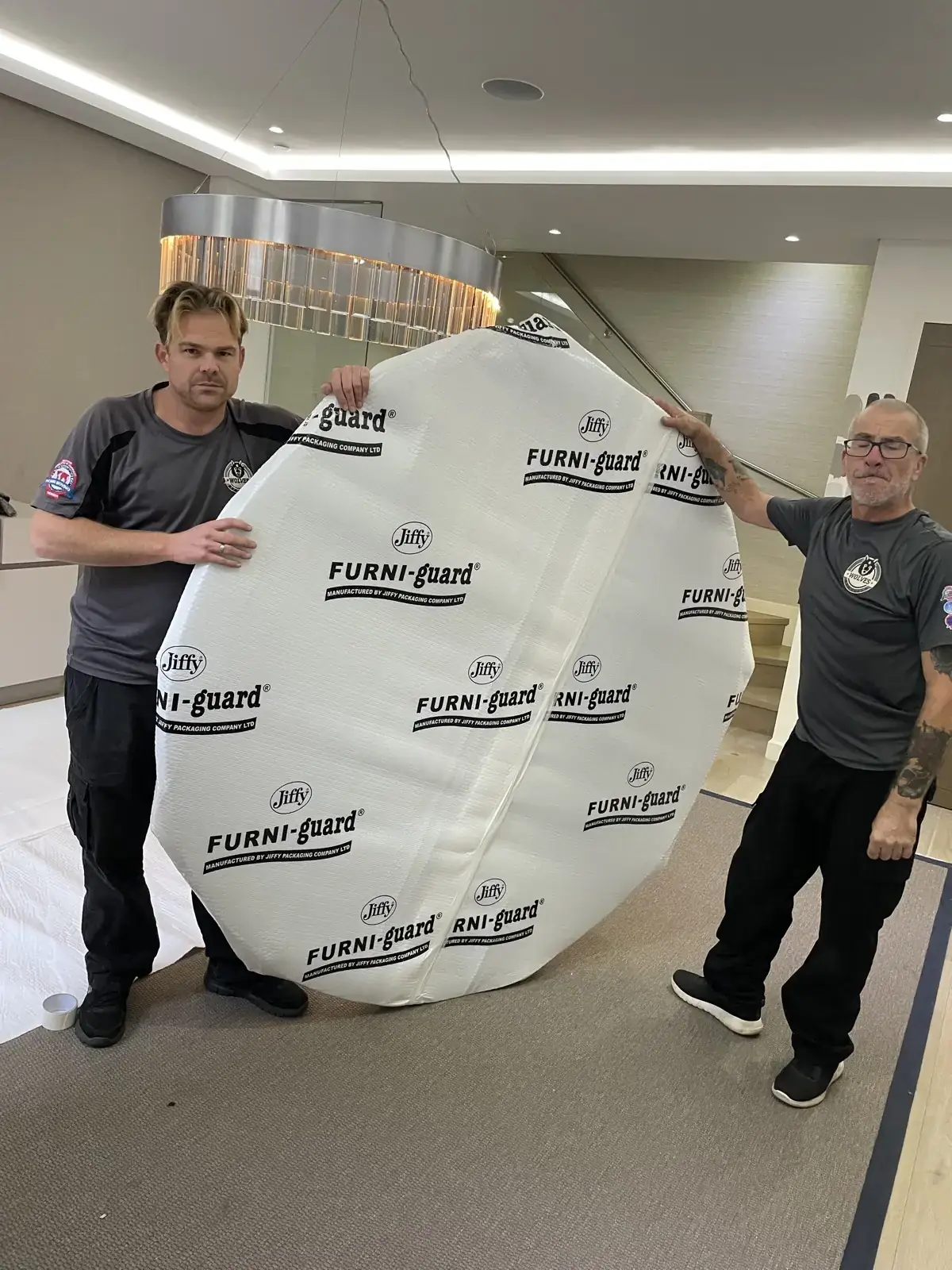
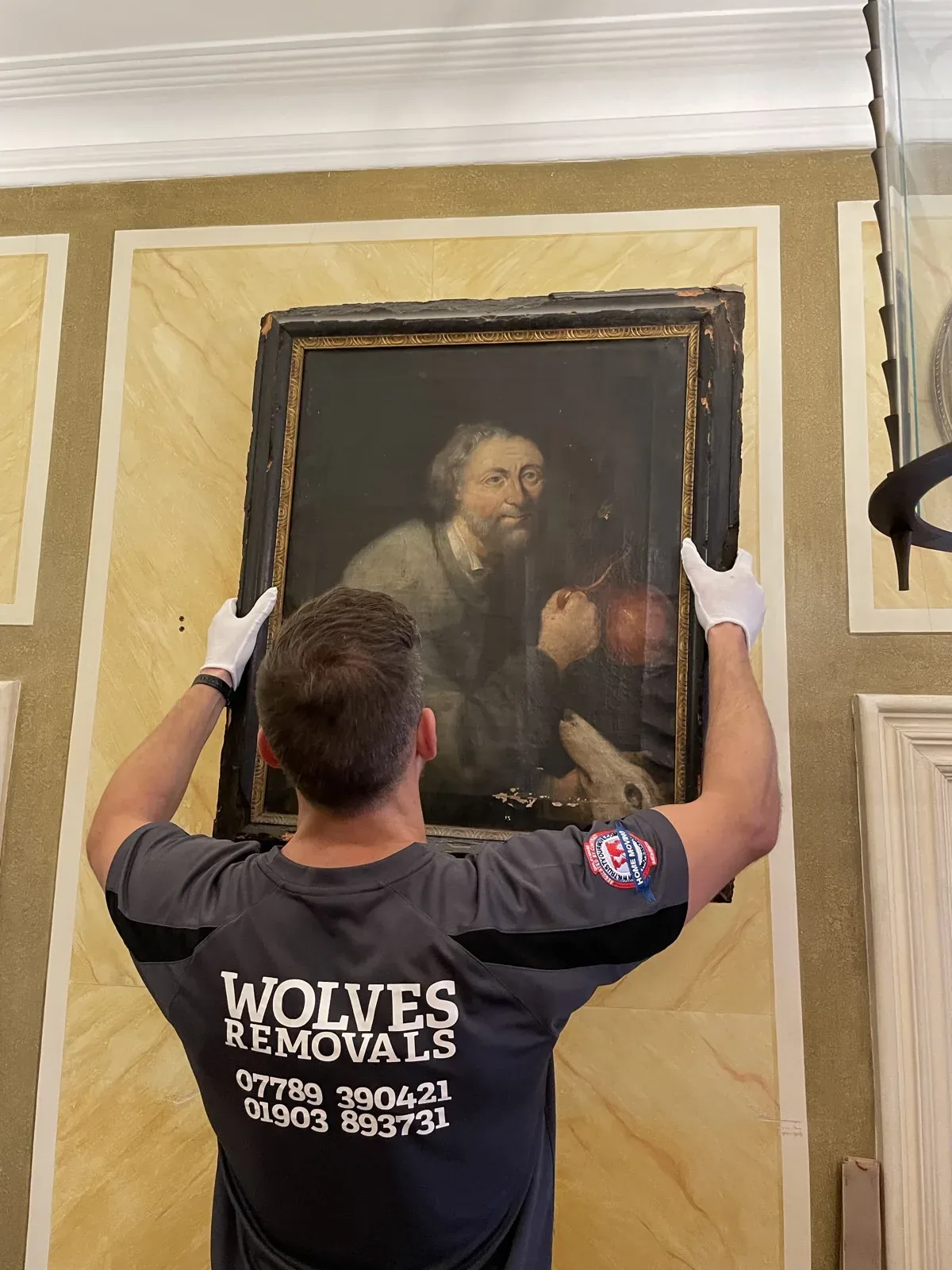
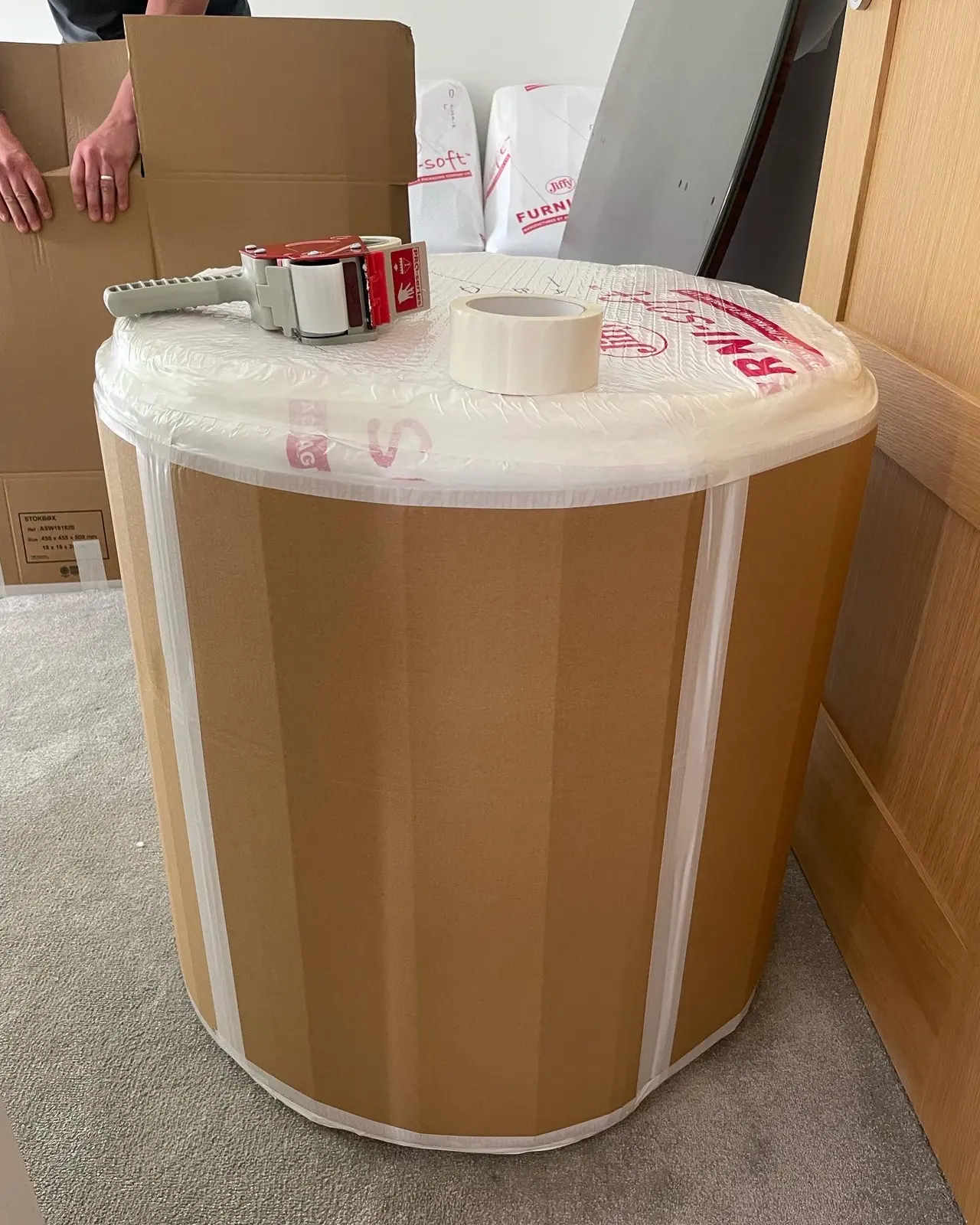
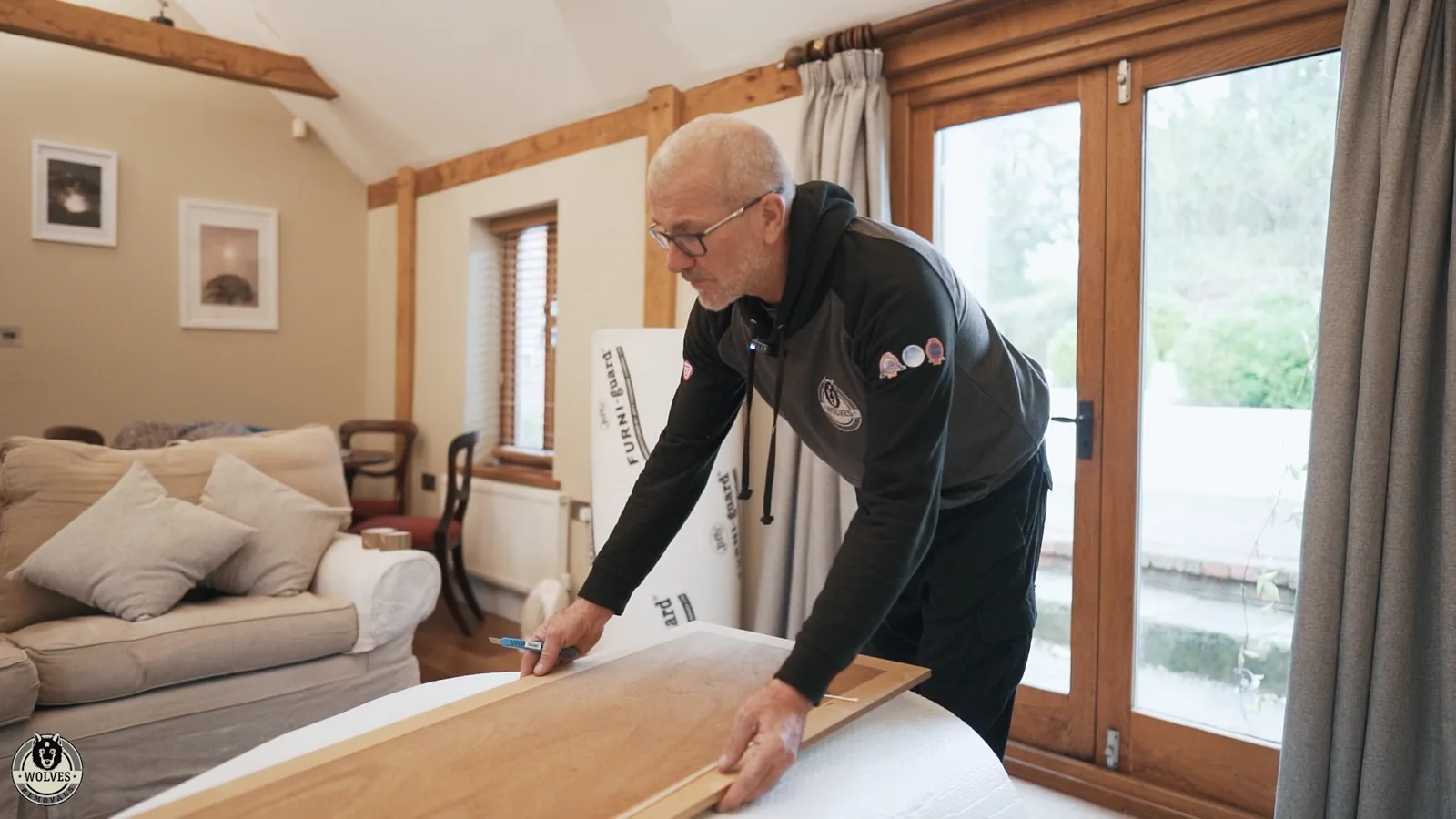
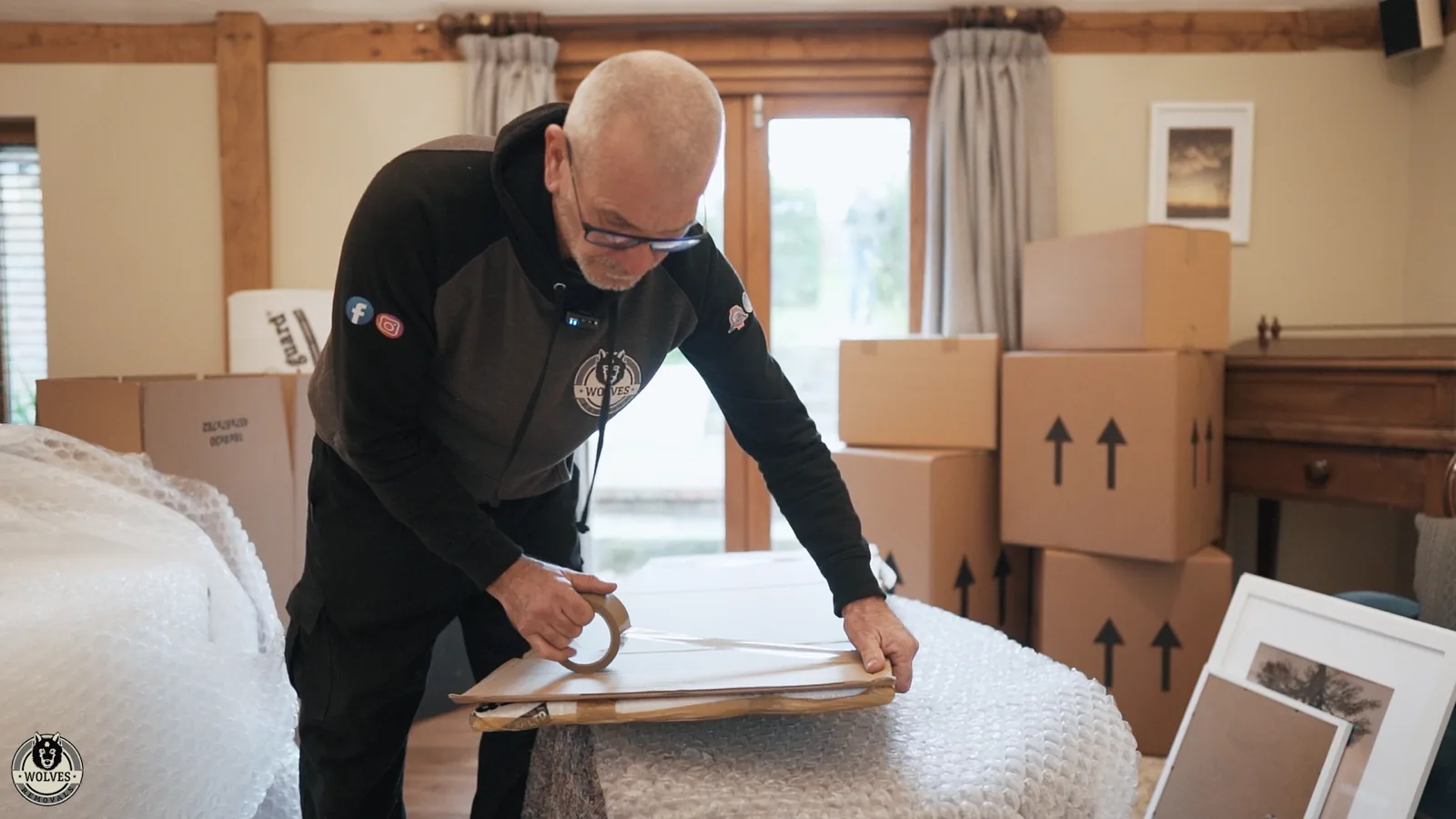
Our trained, fully insured team handling moves across Sussex and beyond.

Get a Free Piano Removals Quote
Piano Removals — Your Questions Answered
Every piano move is priced individually, because the honest drivers of cost are the instrument and the access rather than a flat rate: an upright on a ground floor is a different job from a grand that needs its legs and lyre removed, or any piano that has to turn a narrow landing. We look at the type and size of the piano, the stairs and doorways at both ends, and the distance between them, then send a fixed written quote — usually within 24 hours — that holds on the day. Nothing is priced over the phone on guesswork, and nothing gets added once the crew arrives. For a rough starting point before the survey, the moving cost calculator gives an instant estimate, and moving a piano as part of a full house move usually makes more sense than booking it separately.
Moving a piano yourself is something we would honestly advise against for anything bigger than a small digital keyboard. An acoustic upright typically weighs as much as three or four adults and carries that weight high and awkwardly, so the common results of a DIY attempt are crushed fingers, wrenched backs, gouged floors and cracked casework — and if it goes wrong on a staircase there is no safe way to stop it. There is an insurance angle too: damage caused moving your own piano is rarely covered by anyone, whereas a professional move is insured from lift to set-down. If budget is the concern, tell us — a straightforward ground-floor upright move costs less than most people expect, and a fixed written quote costs nothing at all.
We dismantle pianos only as far as the instrument is designed to allow, and only when the job needs it. Grand pianos are routinely prepared for transport by removing the legs, lyre and music desk so the body can travel safely on its side on a piano board — that is standard practice, not surgery, and everything is refitted at the other end. Upright pianos move in one piece. What we never do is dismantle the action, strings or frame: that is a piano technician’s territory, not a mover’s. If a piano genuinely cannot leave a room intact — which is rarer than people fear once the access has been properly surveyed — we will tell you plainly at the survey rather than improvise on the day.
Usually, yes — moving an upright costs less than moving a grand over the same route. An upright is a one-piece lift with predictable handling, while a grand needs partial preparation — legs, lyre and music desk off, the body edge-loaded onto a piano board — which takes more time, more equipment and often an extra pair of hands, so a grand move is generally quoted higher than an upright over the same route. Access moves the figure for both: a first-floor flat with a winding staircase can make an upright the harder job of the two. That is why we survey rather than price from a list — the type of piano starts the estimate, but the building it is leaving and the building it is entering finish it. Either way the quote is fixed and written before moving day.
Piano weight varies enormously, which is exactly why we plan each move individually. A typical upright is 180–300kg, a baby grand starts around 250kg, and a concert grand can exceed 500kg. But it is the balance and centre of gravity, not the raw figure, that dictates technique — uprights stay full height on a trolley, while grands are partly dismantled and laid on a padded skid board. We confirm the type and approximate weight when we survey the job so we bring the correct equipment and crew. The weight is also why we size the crew to the instrument rather than sending two people to everything: crews of two to four mean a baby grand on a first floor gets the hands it needs, while a ground-floor upright is not billed for people standing idle. Tell us the make and model if you know them — it helps us arrive with exactly the right kit first time.
Almost always, yes — a piano will need re-tuning after a move. The vibration of travel and the change in room temperature and humidity will shift the tuning slightly. We recommend waiting a few weeks before having it professionally re-tuned so the instrument has settled and acclimatised to its new surroundings — tuning it too soon usually means it drifts again. Positioning the piano away from radiators, exterior walls and direct sunlight also helps the tuning hold. A few weeks in the new room also lets the instrument settle into its new humidity and temperature before the tuner works on it, which is why most technicians suggest waiting rather than booking the tuning for moving week itself. If the piano is heading into storage first, mention it — we will advise on positioning it away from radiators and outside walls at the new address too.
Most staircase piano moves are perfectly possible — but only after we have surveyed the access. We measure doorways, stairwells and landing turns at both properties first, then bring the right lifting straps, stair-climbing equipment and crew size for the route. A grand that comes apart onto a skid will pass through spaces an upright cannot. Where an internal route is genuinely impractical, we will advise on a window or hoist option rather than risk damaging the instrument or your home. Our honest experience since 2016 is that far fewer staircases are genuinely impossible than owners fear — but the ones that are get identified at the survey, not discovered on the day with the instrument half-committed to a turn. If a stair route truly will not go, we will say so plainly and talk through the alternatives before anything is booked.
Yes. Wolves Removals is fully insured, with goods-in-transit and public liability cover in place, and as a LAPADA Approved Service Provider and Checkatrade-verified company we apply specialist handling standards to every instrument. We are based at Dorlyn House, London Road, Ashington near Pulborough RH20 3JT, and cover West and East Sussex, Surrey, Hampshire and Kent, as well as moves across the UK and Europe. To arrange a survey and quote, call 01903 893731. Coverage runs across Sussex and Surrey and into Hampshire and Kent, from single-instrument moves to pianos travelling as one item within a full house removal. If you are outside those counties, ask anyway — long-distance piano work is quoted the same way as everything else, in writing, from a survey of the actual job.
How long a piano move takes depends on the circumstances. A straightforward upright between two ground-floor rooms with easy access can be quick, while a grand coming down several flights of stairs and travelling across the county is a far bigger job that warrants proper time and care. The biggest factors are the type and size of the instrument, the access at both properties, the number of stairs, and the distance travelled. Sharing photographs and describing the access when you request a quote lets us plan the time, crew and equipment accurately. Booking-wise, a standalone piano job is easier to slot in than a full house move, so short-notice dates are often possible outside the month-end rush — call with your dates and we will tell you honestly what the diary allows rather than squeezing the job into a slot that rushes the carry.
Guides & Advice
Moving Guides for Your Piano Move
Practical moving tips, packing advice and local guides from our Sussex removals team — browse all articles.
 Antiques & Specialist · 18 Aug 202601How to Move a Piano: What Actually Goes WrongMore pianos are damaged before the movers arrive than during the journey, and almost always in the same way: somebody rolls it across the room on its…Read the article
  Storage · 11 Mar 20240213 Genuinely Useful Reasons to Use Short-Term StorageShort-term storage earns its keep in specific, unglamorous moments: bridging the gap between selling and buying, freeing space during a renovation…Read the article
  Moving Tips · 20 Apr 202503How to Plan a House Move: Your Week-by-Week TimelineA well-planned house move works backwards from moving day in clear stages: book your removals company and start a gentle declutter at eight weeks…Read the article
 We’re Trusted By