
What Is the Difference Between Warehousing and Fulfilment?
If you run a growing business, the words warehousing and fulfilment get used almost interchangeably, and yet they describe two quite different things. Understanding the difference between warehousing and fulfilment matters, because choosing the wrong solution can mean paying for services you do not need, or finding yourself without the support you do. This explainer breaks down what each term really means, what each actually involves day to day, when a business needs one or the other, and where simple, flexible business storage fits into the picture for smaller operations and those still finding their feet.
Published 2023-06-28 · Wolves Removals
Moving House Soon? Get a Free Quote
Get a fast, fixed price from your local Sussex removals team.
The short version
Warehousing is about storing goods. Fulfilment is about storing goods and then picking, packing and shipping them to customers. Put another way, warehousing is a static service, your stock sits safely until you need it, while fulfilment is an active service that handles the entire journey of an order from shelf to customer's doorstep. Almost everything else flows from that one distinction, and keeping it in mind makes the rest of the picture far clearer.

What warehousing actually involves
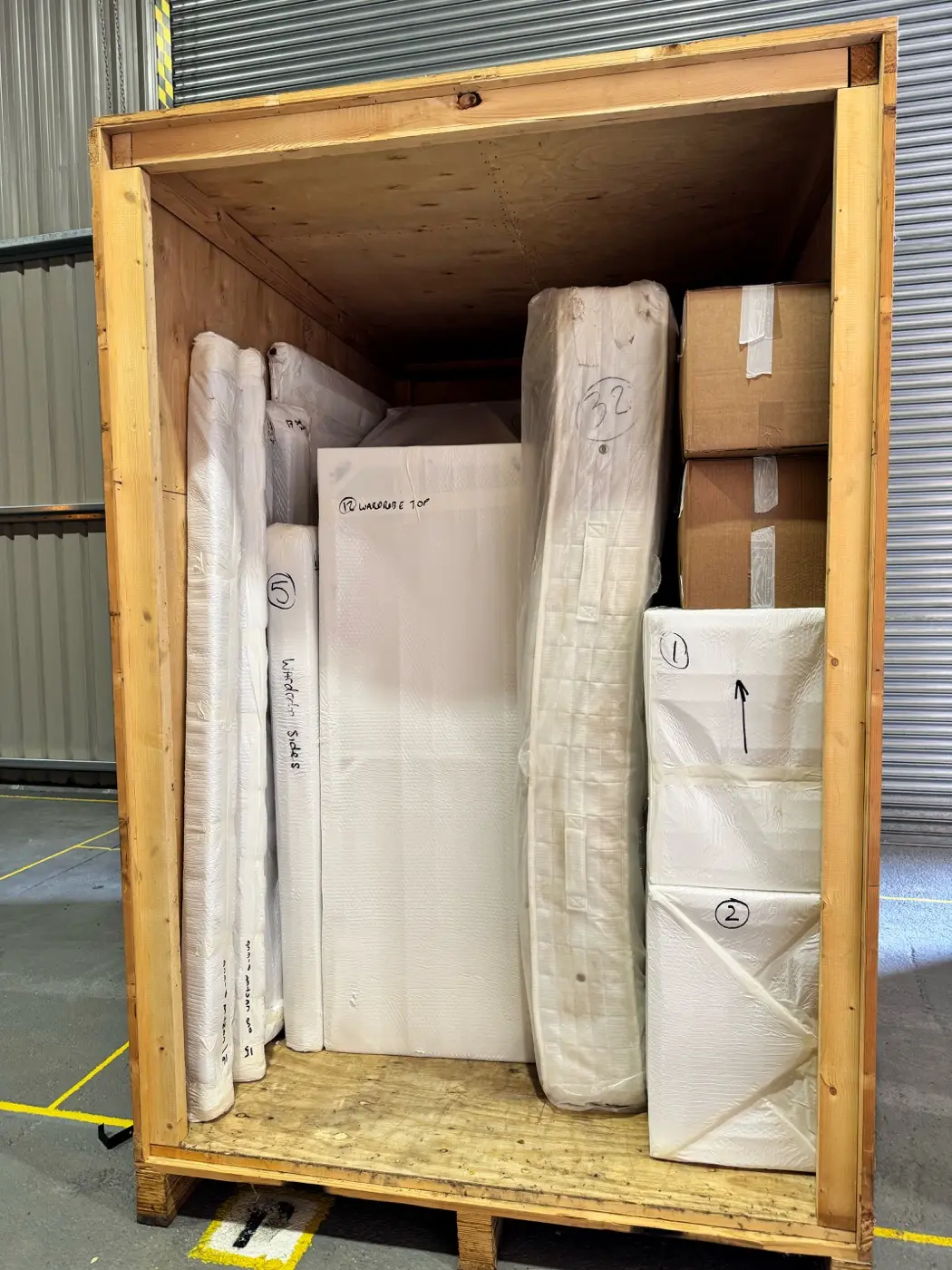
Warehousing, at its core, is the storage of goods in a secure, organised space. A warehouse takes in stock, holds it safely, and releases it when the business asks for it. The emphasis is on space, security and condition: keeping products dry, undamaged, properly organised and easy to retrieve.

The main jobs of a warehouse
A traditional warehousing arrangement typically covers a handful of core functions. Goods are received and checked in, then stored in a logical system so they can be found again. Stock is kept in suitable conditions, protected from damp, damage and theft. And when the business needs items, whether for its own shop, a market stall, an event or to send on elsewhere, they are released back out. The business itself usually handles what happens next.
Who uses warehousing
Warehousing suits businesses that need to hold stock but manage their own dispatch, or that have stock which is not sold piece by piece online. A retailer holding seasonal inventory, a tradesperson keeping materials and equipment secure, a business between premises, or a company holding archive records all have a warehousing need rather than a fulfilment one. They want space and security, not order processing.

What fulfilment actually involves
Fulfilment includes storage, but adds the entire order-handling process on top. A fulfilment operation does not just hold your stock; it receives customer orders, picks the right items from the shelves, packs them appropriately, ships them out, and often handles returns and customer queries too. It is the engine room of an e-commerce business.

The main jobs of a fulfilment service
A fulfilment service typically covers receiving and storing stock, then, when an order comes in, picking the correct items, packing them into suitable packaging, generating shipping labels and arranging dispatch with couriers. Many also manage returns processing, stock-level reporting and integration with online shop systems so orders flow through automatically. It is a far more involved, hands-on service than pure storage.

Who uses fulfilment
Fulfilment is built for businesses that sell directly to customers in volume, particularly online retailers shipping many individual orders every day. When picking, packing and posting orders yourself becomes a full-time job that holds the business back, outsourcing it to a fulfilment provider frees you to focus on selling and growing. The trade-off is cost and a degree of lost control over the customer-facing dispatch experience.

Warehousing versus fulfilment: a side-by-side view
Laying the two side by side makes the distinction concrete:
- Core purpose: warehousing stores goods; fulfilment stores and ships them to end customers.
- Activity level: warehousing is largely static; fulfilment is active and constant.
- What you handle: with warehousing you usually manage dispatch yourself; with fulfilment the provider handles picking, packing and shipping.
- Best for: warehousing suits stock-holding, seasonal goods and businesses managing their own logistics; fulfilment suits high-volume online sellers.
- Cost structure: warehousing is generally priced on space and time; fulfilment adds per-order handling and shipping charges.

Which does your business actually need?
The honest answer for many smaller and growing businesses is: less than they think, and more flexibly than they expect. A common mistake is to assume you need a full fulfilment operation when what you actually need is somewhere secure and affordable to keep stock, with the option to scale up later.
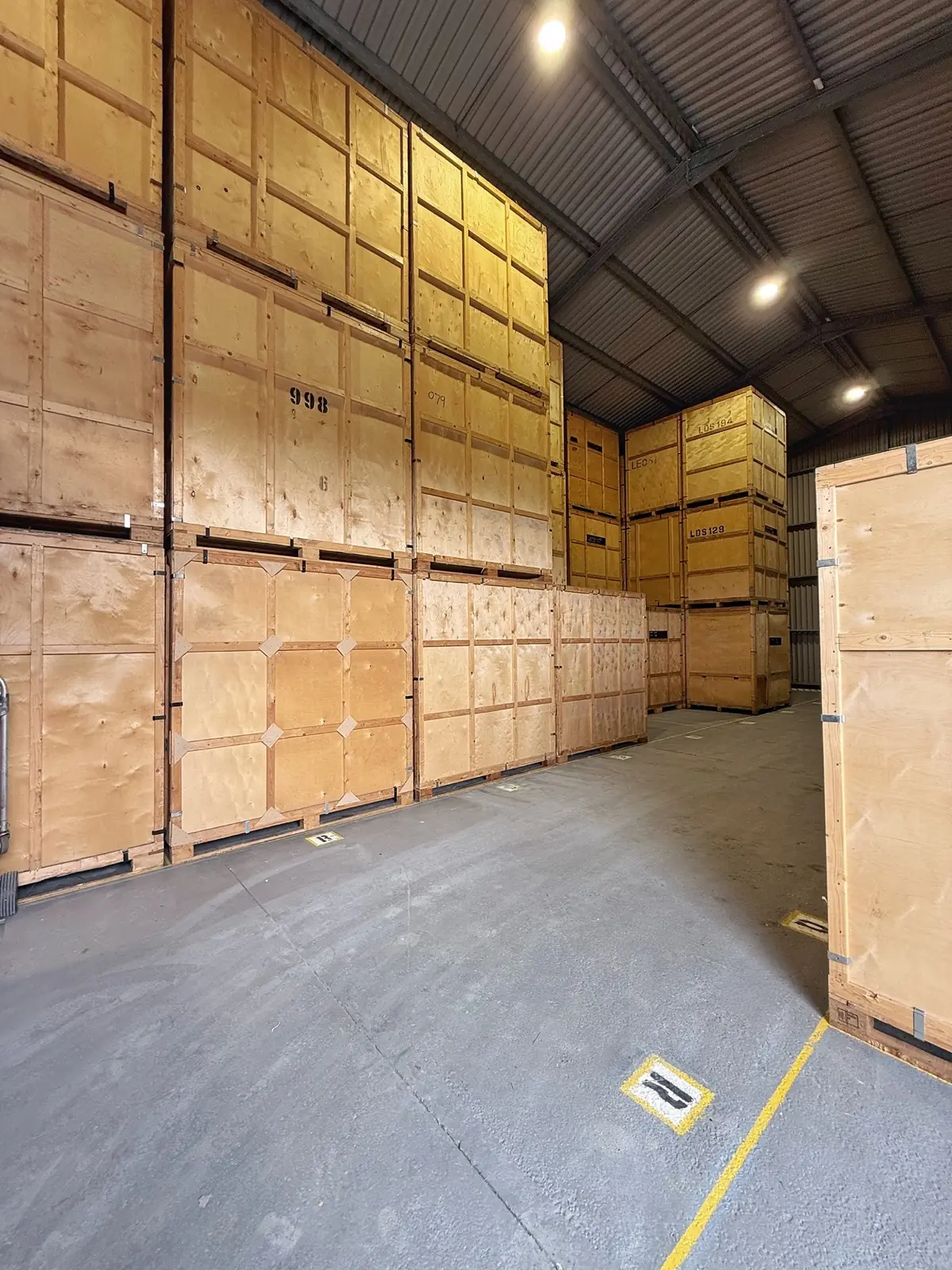
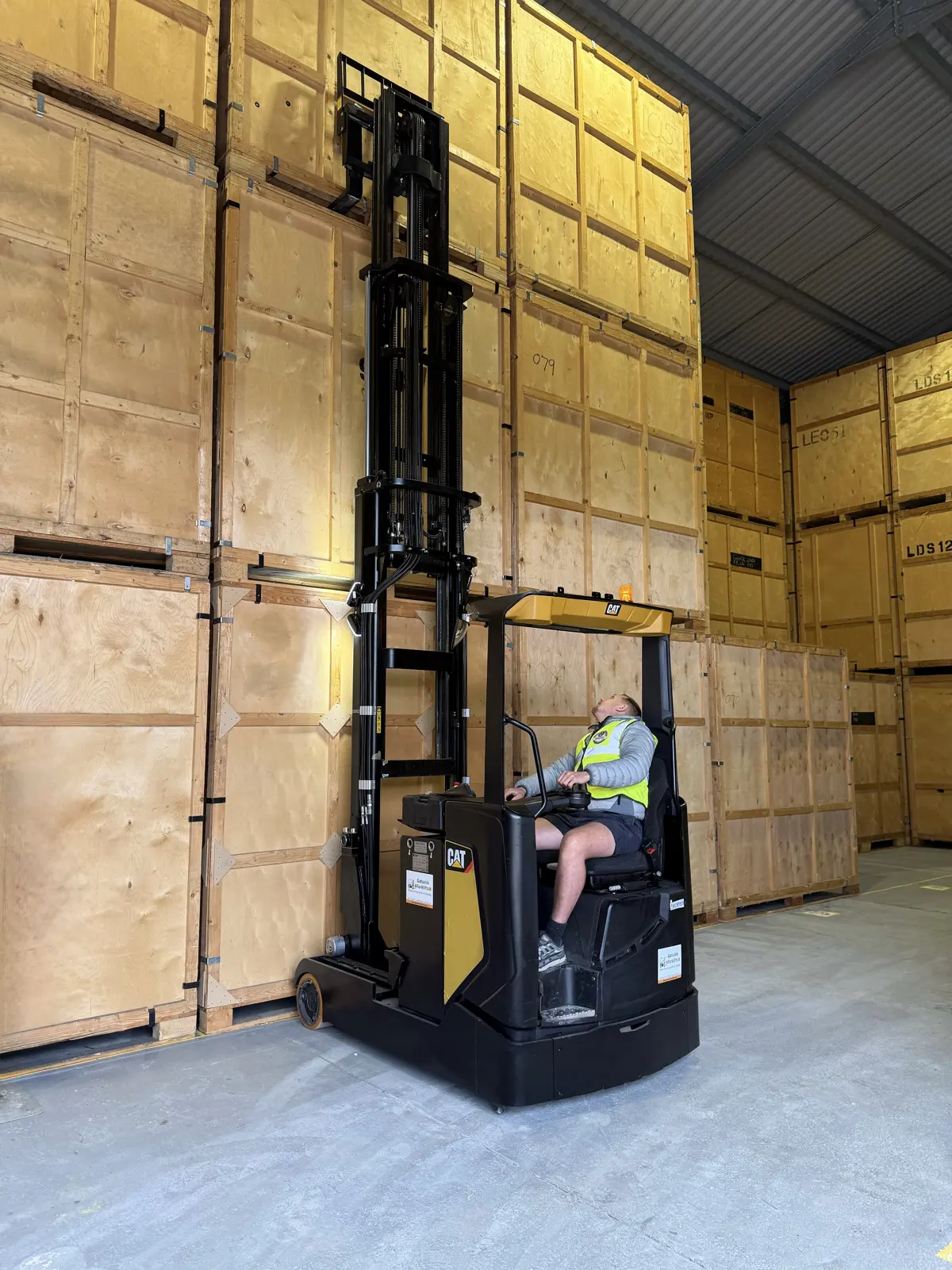
If you handle a manageable number of orders yourself, or your stock is seasonal, bulky or sold through routes other than daily online dispatch, then flexible business storage may be all you need. It gives you secure space without the per-order costs of fulfilment, and crucially it lets you take only the space you need for only as long as you need it. Our business and commercial storage is designed for exactly this: a practical, cost-effective way for businesses to hold stock, equipment, archives and seasonal inventory without committing to a larger, costlier premises.
As your order volumes grow, your needs may evolve, and that is the point to reassess. The beauty of starting with flexible storage is that you are not locked into anything; you scale the space up or down as the business changes, rather than carrying the fixed overhead of a big unit or a full fulfilment contract before you genuinely need it.

Where flexible storage fits in
Storage is the foundation that both warehousing and fulfilment are built on, and for a great many businesses it is the right starting point. The key advantages are flexibility and value: you pay for the space you use, you can adjust it as demand fluctuates, and you avoid the heavy commitments that come with larger logistics arrangements.
Seasonal and fluctuating stock
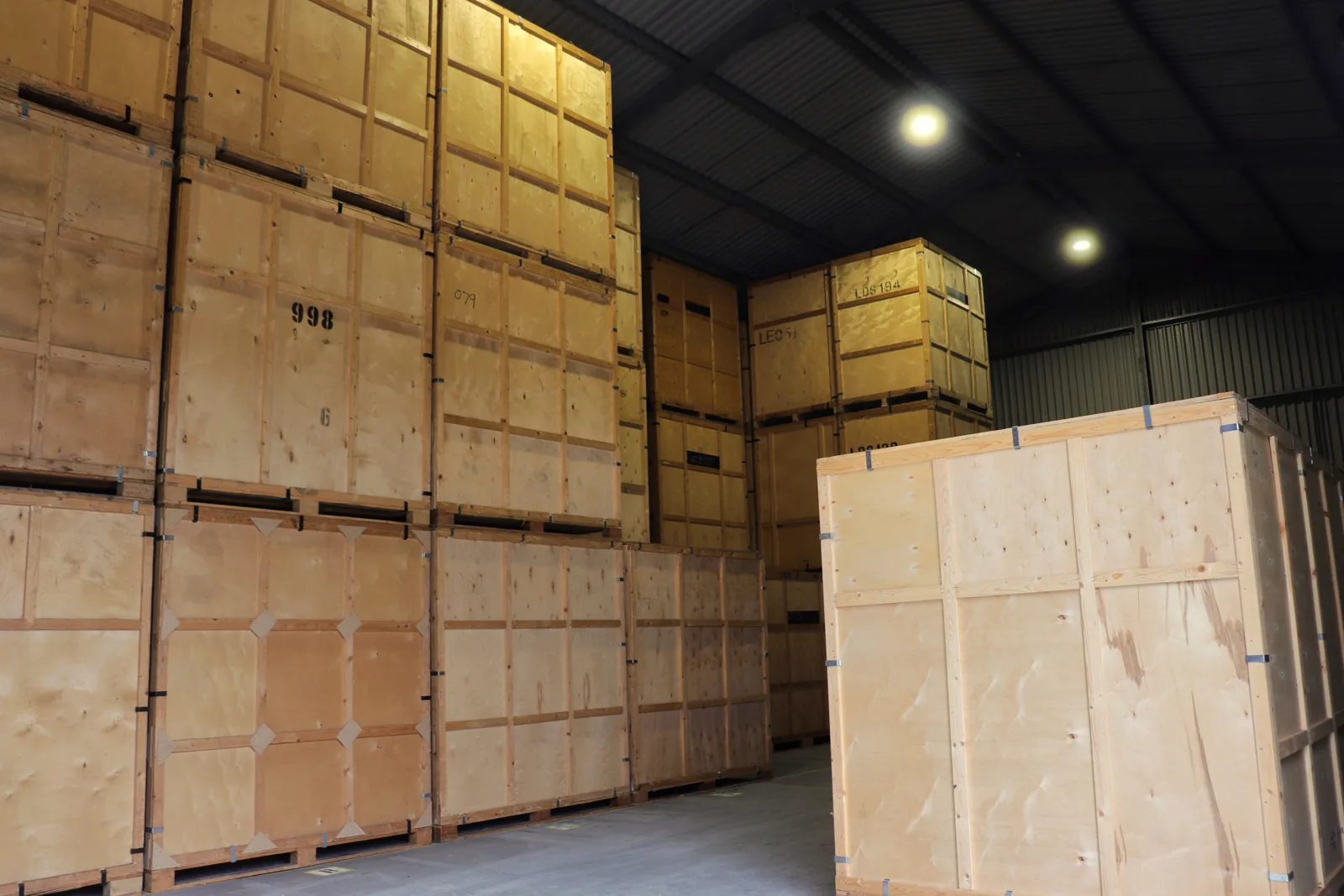
Businesses with seasonal peaks, a retailer building up stock before Christmas, say, can use storage to hold extra inventory during the build-up and release the space afterwards. This is far cheaper than renting permanently larger premises to cover a few busy weeks a year.
Bridging a move or expansion
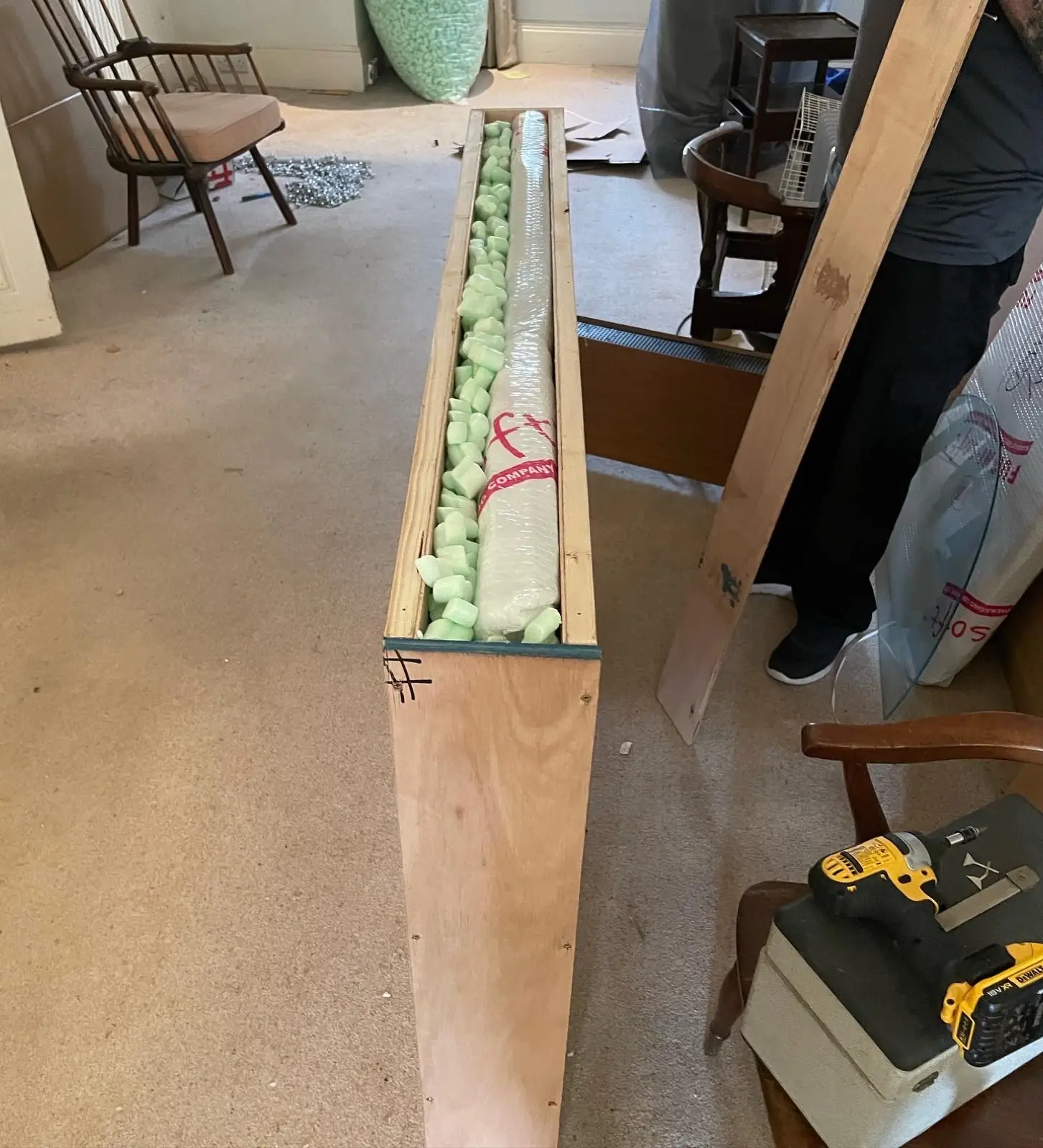
When a business is relocating, refurbishing or between premises, storage provides a secure holding space for stock and equipment so trading can continue with minimal disruption. It is a practical bridge during periods of change, and pairs naturally with a proper commercial removals service when the time comes to move everything to new premises.

Archives, equipment and overflow
Not everything a business stores is stock for sale. Records that must be kept, equipment used occasionally, marketing materials, exhibition stands and general overflow all need a secure home, and dedicated business storage keeps them safe, organised and out of valuable working space.
The hidden costs people overlook
When businesses compare warehousing, fulfilment and storage, they often focus on the headline price and miss the costs that really shape the decision. Understanding these helps you choose well rather than cheaply.
The cost of your own time
Handling storage and dispatch yourself looks free, but your time has real value. If picking, packing and posting orders is swallowing hours you could spend selling, sourcing or growing, that is a hidden cost of doing it in-house. Equally, outsourcing to fulfilment frees that time but adds a per-order charge, so the right answer depends on how many orders you handle and how valuable your time is elsewhere.

Fixed versus flexible overheads
A common and costly mistake is committing to a large fixed space, or a fulfilment contract, before the volume justifies it. Renting a big unit or signing up for fulfilment to cover a seasonal peak means paying for capacity you do not use for most of the year. Flexible storage avoids this by letting you scale the space to actual demand, which is why it suits businesses whose needs rise and fall through the year.

Control and customer experience
Fulfilment hands the packing and dispatch of every order to a third party. For many businesses that is a relief, but if your packaging, presentation or a personal note is part of your brand, you lose some control over the customer's unboxing experience. Storage keeps that firmly in your hands while still giving you secure space. There is no universally right answer; it depends on what matters most to your business and your customers.

We’re a friendly, family-run Sussex removals and storage company that has been keeping its promises since 2016. From a single item to a full home or office move, every job is fully insured and led by a dedicated coordinator, so you always have one point of contact.
As a LAPADA member and a Checkatrade-verified team, we handle it all with real care — expert packing, home and business removals, clean, secure storage and specialist antiques handling across Sussex, Surrey, Hampshire and Kent.

A practical decision checklist
If you are weighing up the options, run through a few honest questions before committing to anything:
- How many orders do you ship in a typical week, and is handling them yourself holding the business back?
- Is your stock sold piece by piece online, or in bulk through other channels?
- Does your demand peak seasonally, or stay fairly steady year-round?
- How important is it that you control packaging and the customer's experience?
- Could your needs change significantly over the next year, and how easily can each option flex with you?
Answering these usually points clearly towards storage, warehousing or fulfilment, and just as importantly stops you paying for a service that does not match your reality. For most small and growing businesses in our area, the honest conclusion is that flexible storage covers the need now, with fulfilment a sensible step to consider later if and when order volumes climb.

Managing stored business inventory well
However you store stock, keeping it organised is what turns a unit from a dumping ground into a genuine asset. A clear system, a simple inventory record and sensible stacking make retrieval quick and stocktaking painless. If you store goods for your business, our guide to managing inventory in self storage sets out practical methods for labelling, recording and arranging a unit so you can always find what you need. Good organisation also reduces waste, helps you spot when stock is running low, and makes the whole operation feel professional rather than chaotic.
Getting goods in and out
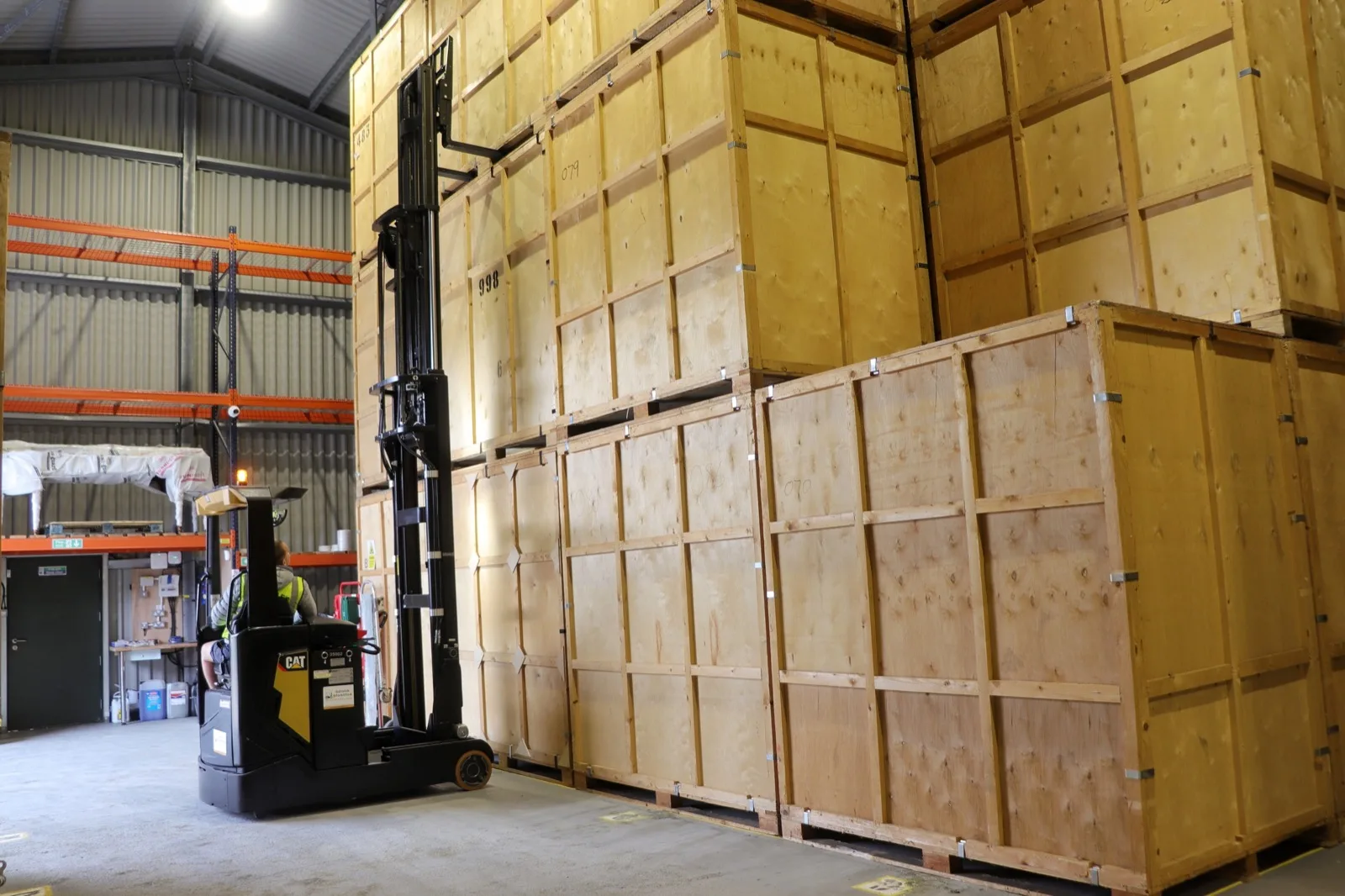
Storing stock is only useful if you can move it efficiently. For regular movements of goods between your storage, suppliers and customers, a reliable delivery arrangement keeps everything flowing. Our contract delivery services support businesses that need dependable, scheduled movement of goods, while for one-off or smaller loads our man-and-van service offers a quick and affordable option. Matching the right transport to the job keeps your costs sensible and your operation running smoothly. Building a predictable rhythm into your goods movements, knowing roughly when stock arrives and dispatches, also makes inventory planning far easier, because you can anticipate when the unit will be fullest and when you will have room to spare. For businesses that handle their own dispatch, this coordination between storage and transport is effectively a lightweight version of what a full warehousing operation provides, but kept flexible and affordable. As your business grows, you can layer in more support gradually, more storage space, more frequent deliveries, and only consider full fulfilment once the numbers genuinely warrant it, rather than committing to a heavy contract before you are ready.
Making the right choice for your business
To sum up: if your need is simply somewhere secure to keep goods, you want warehousing or, for most growing businesses, flexible business storage. If you need someone to handle the full journey of every order, picking, packing and shipping to your customers, you want fulfilment. Many businesses begin with storage and only move towards full fulfilment as their order volumes justify it, which is a sensible, cost-controlled path.
The worst outcome is paying for a service that does not match your reality, either an expensive fulfilment contract for a business still finding its feet, or struggling without proper storage because it felt like an unnecessary cost. Being clear about which problem you are actually solving, storage or order handling, saves money and avoids a great deal of frustration.

How Wolves Removals supports local businesses
We are a family-run removals and storage company based near Pulborough in West Sussex, helping businesses across the region store and move their goods since 2016. We cover West and East Sussex, Surrey, Hampshire and Kent, with nationwide and European moves too, so whether you are a sole trader with seasonal stock or a growing company between premises, we can help.
As a LAPADA member and a Checkatrade-verified business, we hold ourselves to proper professional standards, and we are fully insured with liability cover up to £10 million, so your business stock and equipment are in safe hands. We offer flexible business storage, commercial removals and contract delivery, all with honest, transparent pricing and no hidden extras.
If you are weighing up your storage and logistics options, browse our full range on the storage solutions page, see our costs on the pricing page, or request a tailored figure through our free quote service. To talk it through with a friendly local team that understands business needs, call us on 01903 893731.








What Is the Difference Between Warehousing and Fulfilment? — FAQs
Warehousing stores your goods until you need them; fulfilment stores them and then picks, packs and ships orders to your customers. Warehousing is essentially a static storage service where you usually manage dispatch yourself, while fulfilment is an active service that handles the entire order journey from shelf to doorstep, including returns.
Many growing businesses need less than they think. If you handle a manageable number of orders yourself, or your stock is seasonal, bulky or sold through routes other than daily online dispatch, flexible business storage may be all you need. It gives you secure space without per-order fulfilment costs, and you can scale up later as volumes grow.
Yes. Our business and commercial storage lets you take only the space you need for only as long as you need it, without committing to a larger, costlier premises. This flexibility suits seasonal stock, businesses between premises and general overflow, and you can adjust the space up or down as your needs change.
A clear system, a simple inventory record and sensible stacking make all the difference. Label boxes clearly, keep a record of what is where, and arrange the unit so frequently needed items are easy to reach. Our guide to managing inventory in self storage sets out practical methods that keep retrieval quick and stocktaking painless.
We can. For regular, scheduled movement of goods our contract delivery services keep your operation flowing, while our man-and-van service handles one-off or smaller loads quickly and affordably. When you need to move everything to new premises, our commercial removals service pairs naturally with storage for a smooth transition.