Downsizing Your Home: A Practical Guide
Downsizing your home is one of the most rewarding moves you can make, and also one of the most emotionally loaded.

Whether you are freeing up equity, simplifying life after the children have flown the nest, cutting running costs or escaping the upkeep of a larger property, moving to a smaller home means deciding what truly matters to you. Done thoughtfully, it is liberating. This practical guide walks you through how to downsize calmly, sensibly and without regret.
Start With Why You're Downsizing
Before you sort a single drawer, get clear on your reasons. They shape every decision that follows. Someone downsizing to release equity for retirement will think differently from someone moving to a low-maintenance bungalow for accessibility, or a couple swapping a rambling family house for a smart town flat. Your motivation tells you what to prioritise, what you can let go of, and what your new home really needs to do for you.
At Wolves Removals we have helped families across West Sussex, Surrey, Hampshire and Kent downsize since 2016, and the moves that go best are the ones where people have thought honestly about the life they want next, rather than simply trying to squeeze a four-bedroom house into a two-bedroom flat. Downsizing is not about loss. It is about choosing what comes with you into the next chapter.
Measure Up Before You Decide Anything
The single most useful practical step is to get the dimensions of your new home before you start deciding what to keep. Knowing the room sizes, ceiling heights, doorway widths and the amount of storage you will actually have turns vague worry into clear decisions.
With real measurements in hand, you can decide what fits, what to part with, and what might need to go elsewhere for a while.
The Heart of Downsizing: Decluttering
Decluttering is where downsizing is won or lost. In a larger home, clutter simply spreads out unnoticed. In a smaller one, there is nowhere for it to hide, so the work has to be done before you move, not after.
Give Yourself Enough Time
Decluttering a home you have lived in for years cannot be rushed into a weekend. Start as early as you can and work in steady sessions rather than marathon clear-outs. One cupboard or one room at a time prevents the overwhelm that makes people give up and simply box everything.
Use the Four-Box Method
For each room, sort items into four clear categories:
- Keep: Things you use, need or genuinely love, and that will fit your new home.
- Sell: Items of value you no longer want. Online marketplaces, auction houses and car-boot sales all have their place.
- Donate: Usable items that charities, schools or community groups would welcome.
- Recycle or dispose: Anything broken, worn out or beyond use.
Be honest with the keep pile. The test is not "could this be useful one day?" but "does this earn its place in my new, smaller home?"
Handle Sentimental Items With Care
The hardest things to part with are rarely the most valuable; they are the most meaningful. Family photographs, children's keepsakes, inherited pieces. Do not force quick decisions on these. A gentle approach works best: keep the items that genuinely carry the memory, photograph things you want to remember but cannot keep, and consider passing heirlooms on to family members who will treasure them now rather than storing them in a box for decades.
If you own antiques or fine pieces and are unsure of their value, it is worth getting advice before letting them go; as a LAPADA Approved Service Provider we understand the care that quality antiques deserve. Wolves Removals
When You Have Too Much to Clear
Sometimes a lifetime in one house, or clearing a relative's home, leaves more than any individual can reasonably sort and shift. This is where professional help genuinely lightens the load. If the move is a parent going into a care home rather than a smaller house, start with what to take to a care home, and what happens to the rest. Once the room is set up, selling the family home when a parent moves into care covers what happens to the house itself. Sorting the house before that point is its own job, done with them rather than for them; helping a parent downsize before a care home move covers how.
If it is the whole property you need to clear, rather than a room of leftovers, our house clearance service looks at the full contents and makes you an offer for them, taking a difficult job off your hands rather than charging you to take things away. It is particularly valuable when downsizing on a tight timeline, or when clearing a family home is too emotionally or physically demanding to tackle alone. You can talk through what you need on our quote page or by calling 01903 893731.
What If You Can't Quite Part With Everything?
Downsizing rarely means deciding everything in one go. Often there are things you are not ready to let go of but cannot fit into the new home, seasonal items, a few pieces of furniture you may want later, or possessions earmarked for grown-up children who have not yet got the space themselves.
Rather than making rushed decisions you might regret, secure self storage gives you breathing room. You can move into your smaller home, settle in, and decide at your own pace what to keep, sell or pass on. For belongings you only need access to occasionally, this is an ideal solution, and our storage calculator helps you work out exactly how much space, and therefore how much cost, you are looking at. If it is purely a short-term bridge while you adjust, short-term storage keeps things flexible without a long commitment.

Choosing the Right Furniture for a Smaller Home
One of the joys of downsizing is the chance to be deliberate about your space. Large, bulky furniture that suited a big house often overwhelms a smaller one. As you decide what to keep, favour:
- Proportionate pieces: A two-seater instead of a corner sofa, a drop-leaf table that expands only when needed.
- Multifunctional furniture: Storage ottomans, beds with drawers underneath, nesting tables.
- Vertical storage: Tall, narrow shelving uses wall space without eating floor space.
Sometimes it makes sense to sell larger pieces before the move and buy a few well-chosen items that fit the new home, rather than paying to transport furniture that will not work in the space.
Packing for a Downsizing Move
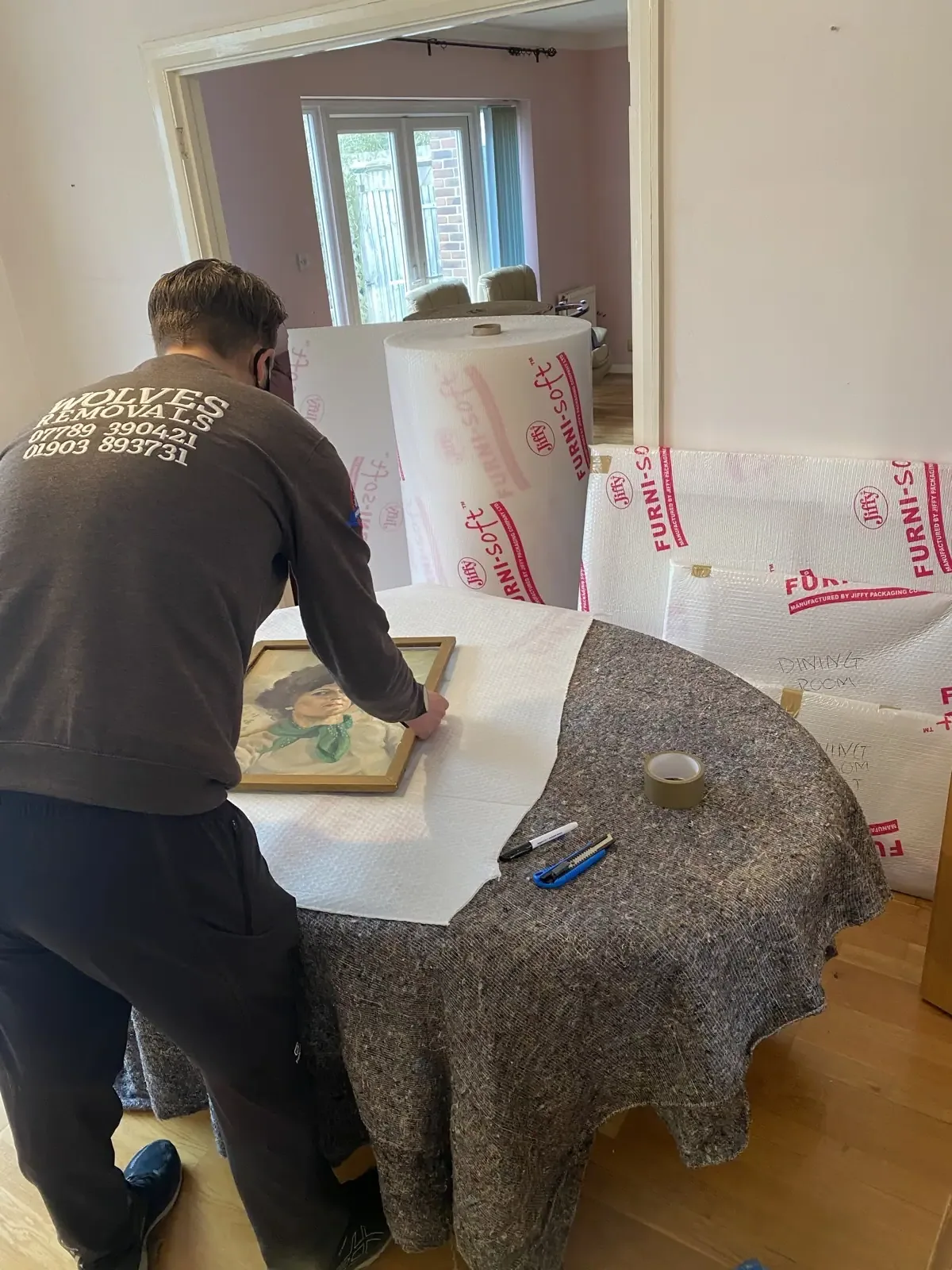
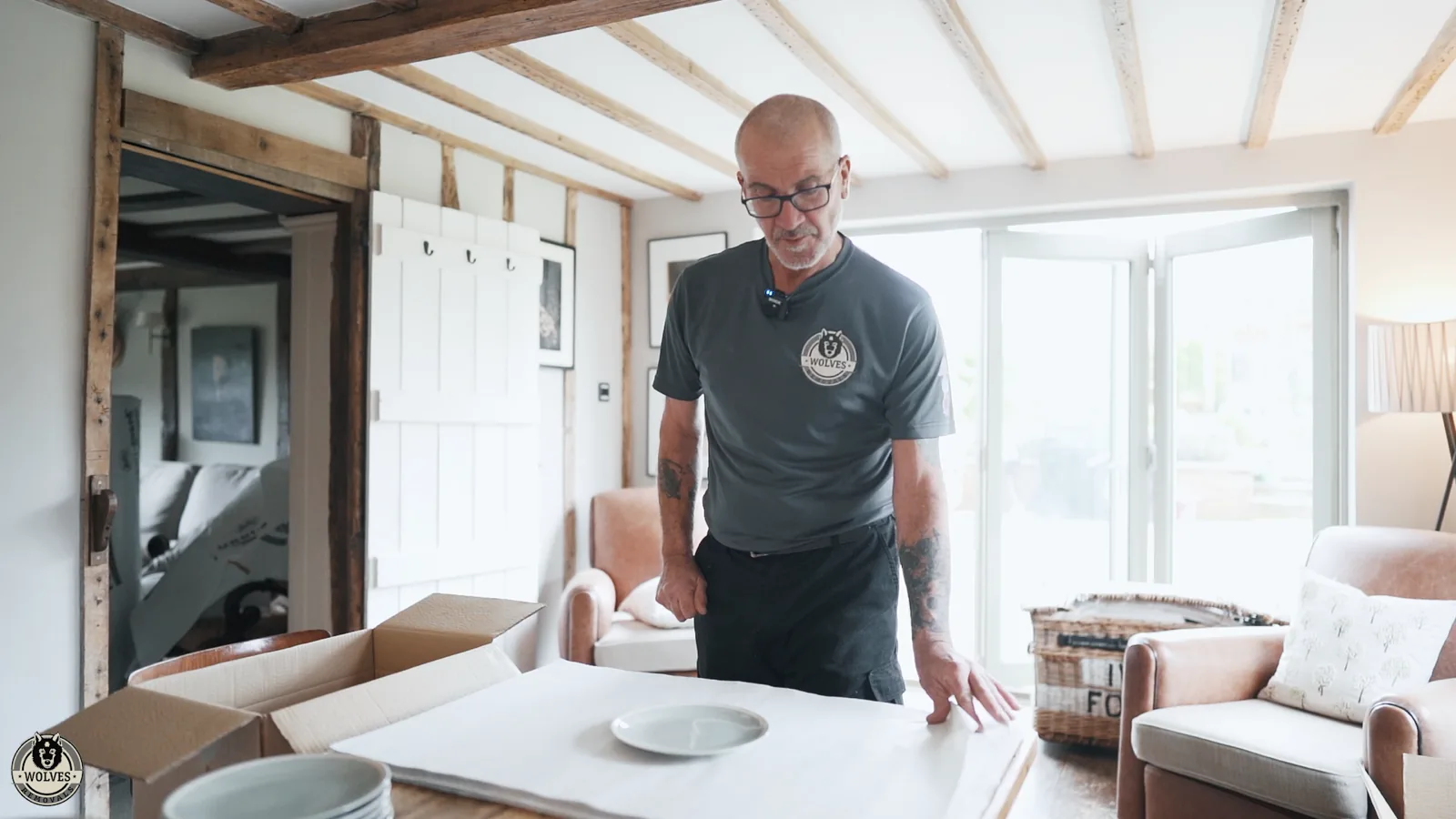
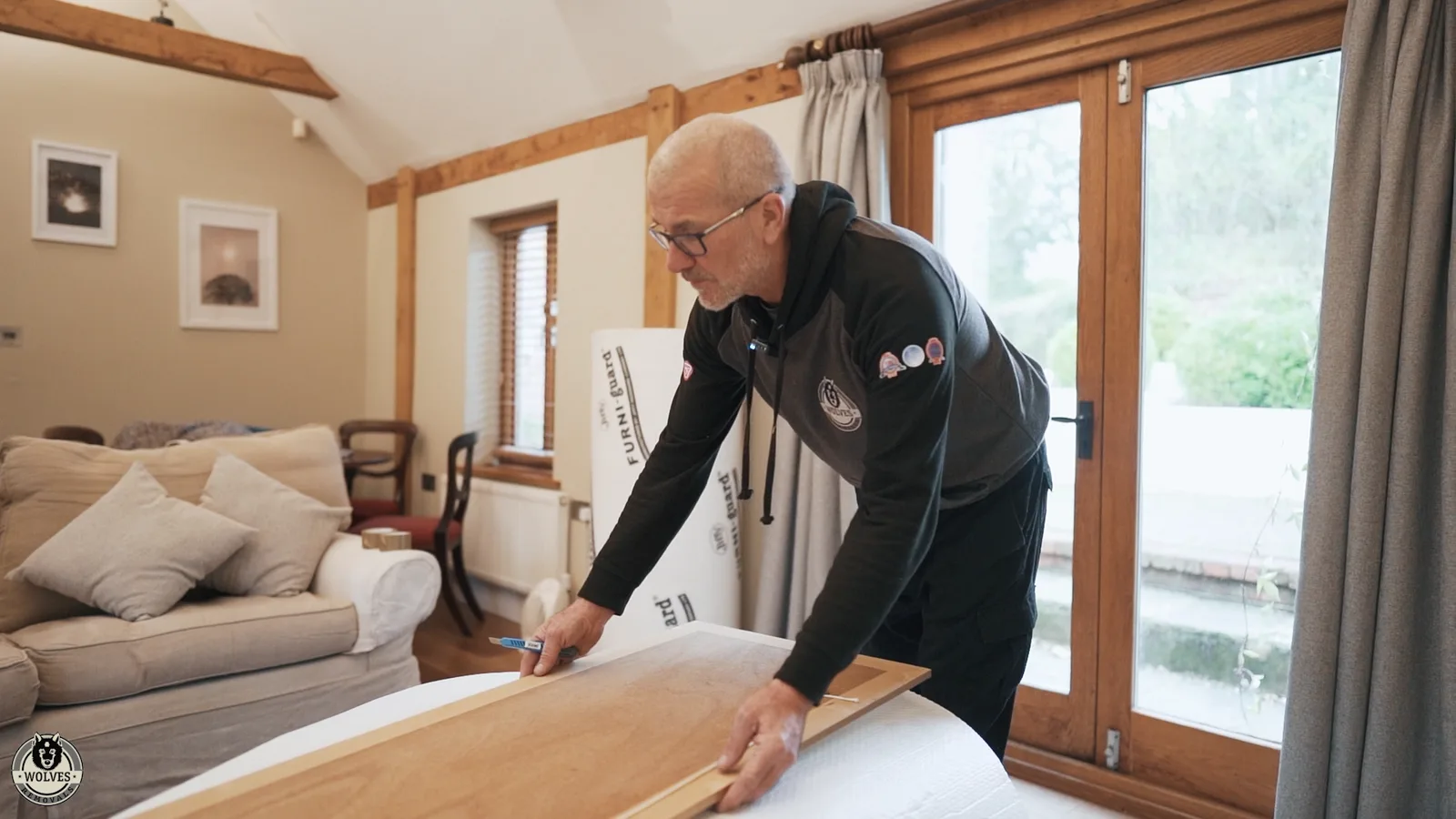
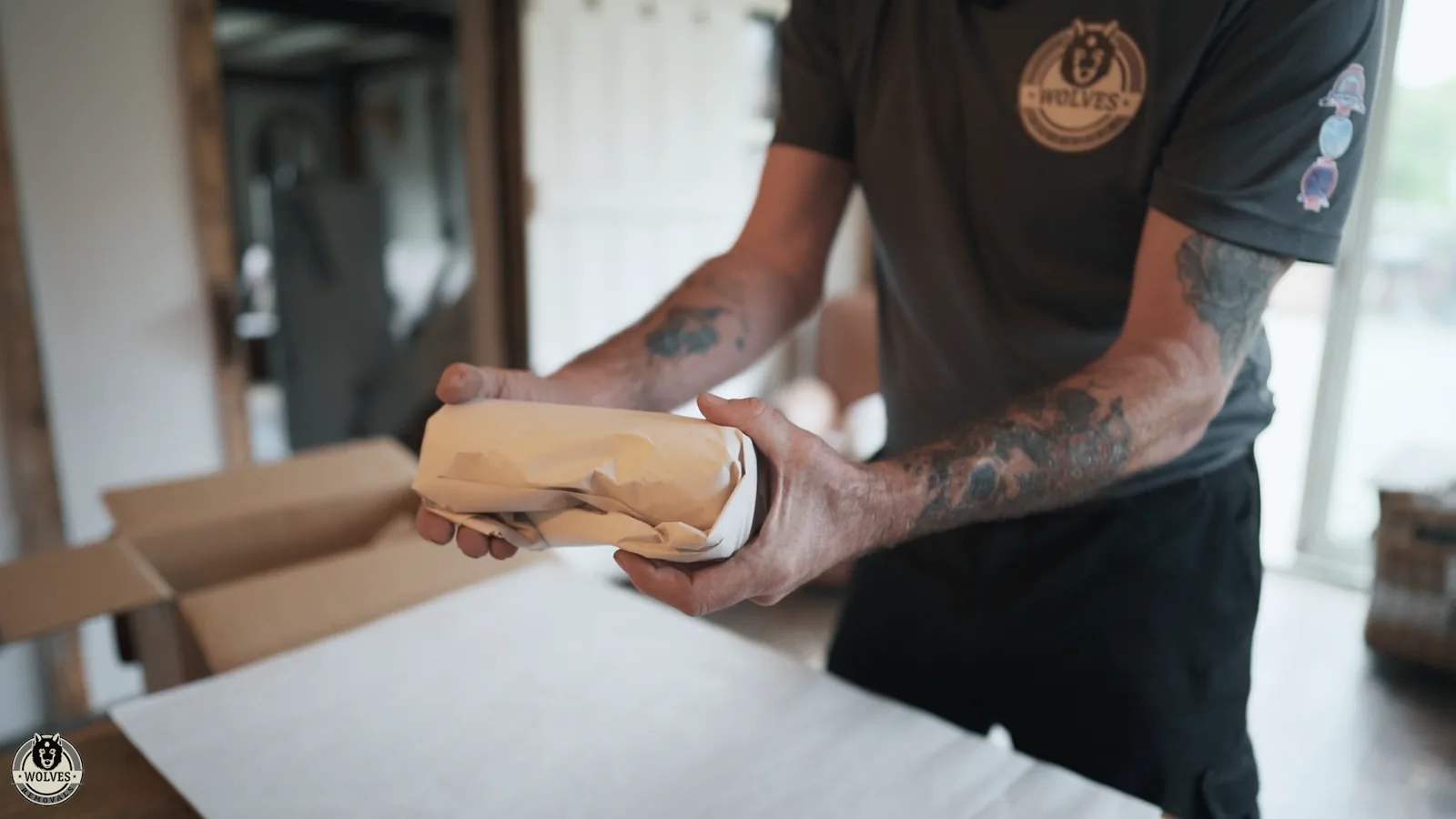
Because you have already decluttered, packing a downsizing move should be more contained than a standard one, but the same good habits apply. Label every box clearly with its contents and destination room, pack heavier items in smaller boxes, and keep an essentials box aside for your first night. If the prospect of packing feels like too much on top of all the sorting and decision-making, our full packing service can take that part off your hands entirely. You will find plenty of practical pointers in our five top tips for moving home too.
The Move Itself
When moving day comes, an experienced removals team makes downsizing far less daunting. We will handle the heavy lifting, navigate the access at both properties and place furniture where you want it in the new home. For a smaller move, our man and van service is often all that is needed; for a full downsizing move from a larger property, our house removals service brings the team and the experience to do it smoothly. Either way, we are Checkatrade-verified and fully insured, with goods-in-transit and public liability cover in place, so your belongings are in safe hands.

Room-by-Room Downsizing Tips
Every room presents its own downsizing challenge, and tackling them with a tailored approach makes the whole process less daunting.
The Kitchen
Kitchens accumulate duplicates like nowhere else: three colanders, a drawer of mismatched utensils, gadgets used once a decade. A smaller kitchen forces useful honesty. Keep one good set of pans rather than four, the utensils you genuinely reach for, and the crockery you actually use day to day. Specialist appliances that earn their keep can stay; the bread maker gathering dust at the back of the cupboard probably cannot.
The Wardrobe
Clothes expand to fill the space available, so a smaller home is the perfect prompt to thin things out. Be realistic about what fits, what suits your life now, and what you have not worn in a year. Donating good-quality clothes you no longer wear is far better than paying to move and then store them unworn in a cramped new wardrobe.
The Loft, Garage and Shed
These are the great hoarding grounds, and in many smaller homes they simply do not exist. If your new place has no loft or garage, everything currently stored there needs a decision.
Start on these spaces early, because they almost always contain more than you remember, and the volume can be a genuine shock if left to the last minute. Wolves Removals
Paperwork and Books
Years of paperwork can usually be reduced dramatically; shred what you no longer need (carefully, for anything sensitive) and digitise documents you want to keep for reference. Book collections are deeply personal, but a smaller home rarely accommodates them all. Keep the ones you will reread or treasure, and let charity shops give the rest a new home.
The Emotional Side of Downsizing
It would be a disservice to pretend downsizing is purely practical. Leaving a home full of memories, especially the family home where children grew up, can stir up real feelings of loss alongside the excitement of a fresh start. It is entirely normal to feel a pang as rooms empty and familiar things go to new homes.
Give yourself permission to feel it, and a little grace as you work through it. Many people find it helps to mark the transition in some small way, a last meal in the old kitchen, a photograph of each room, a note left for the new owners. Focusing on what the move makes possible, more freedom, fewer worries, often money released for the things you want to do, helps the emotional balance tip the right way. And remember that letting go of an object is not letting go of the memory attached to it; the memory stays with you regardless.
Planning the Timing
Downsizing usually benefits from a longer run-up than a like-for-like move, simply because the decluttering takes real time. If you can, begin sorting and selling weeks or even months ahead, so the decisions are made calmly rather than under pressure. Selling larger items often takes longer than expected, so list them early. Coordinate the clearance, any storage you need and the move itself into a sensible sequence rather than trying to compress everything into a single hectic week, and the whole experience becomes far more pleasant.
The Rewards of Living With Less
It is worth remembering, especially on the harder days of sorting and deciding, why people downsize in the first place. A smaller home usually means lower bills, less cleaning, less maintenance and more money or time freed up for the things that actually matter.
Many people find that living with less brings a real sense of calm; fewer possessions to manage, tidy and worry about, and a home that feels easy to look after rather than a burden. Wolves Removals
Downsizing is not about giving things up so much as making room, for a simpler routine, for the people and pursuits you value, and often for a more comfortable financial footing. Handled thoughtfully, with the decluttering done properly and the right support for the move, it can be one of the best decisions you make.
Settling Into Your Smaller Home
Once the move is done, give yourself time to live in the space before making permanent decisions about it. It is tempting to dash out and buy clever storage solutions on day one, but a week or two of actually using the rooms reveals far more about what you genuinely need. You may find a corner that begs for shelving, or discover that the under-stairs cupboard holds more than you assumed. Let the home tell you what it wants before you commit.
This is also when any items you placed in storage come into their own. With a little distance from the upheaval of the move, you can revisit those belongings with a clearer head and decide, calmly, what truly deserves a place in your new life and what can finally move on. Many people find that the decisions which felt impossible during the move become surprisingly easy a month or two later, once the new home feels like home.
Ready to Make Your Move Smaller?
We help people downsize across West Sussex, East Sussex, Surrey, Hampshire and Kent, and you can see the full list of areas on our locations page. For tips on keeping costs sensible, our guide to money-saving tips when moving house is well worth a read. And whenever you are ready to talk through your downsizing move, whether it is the clearance, the storage or the move itself, we are happy to help on 01903 893731.
The Wolves Removals Team
Family-run removals · Ashington, West Sussex
We have moved families and businesses across West and East Sussex, Surrey, Hampshire and Kent since 2016, from our Ashington base. We are fully insured, Checkatrade-verified and a LAPADA Approved Service Provider for antiques and fine art. More about us, or read our reviews.
Downsizing Your Home: A Practical Guide — FAQs
Begin by getting clear on why you are downsizing, then measure the rooms, doorways and storage in your new home before deciding what to keep. Real dimensions turn guesswork into firm decisions about what will fit. Only then start the decluttering, working one room at a time.
Give yourself plenty of time and work in short, steady sessions rather than one exhausting marathon. Use the four-box method, keep, sell, donate, dispose, for each room. For sentimental items, take a gentle approach: keep what truly carries the memory, photograph what you cannot keep, and consider passing heirlooms to family.
Secure storage gives you breathing room. You can move into your smaller home and decide at your own pace what to keep, sell or pass on, rather than making rushed decisions you might regret. Short-term storage suits a temporary bridge, while longer-term self storage works for items you only need occasionally.
Yes. If it is a whole property you are clearing rather than a handful of leftover items, yes. Our house clearance service looks at the full contents and makes you an offer for them, rather than charging to take things away, which is why it suits probate, downsizing or an end-of-tenancy clear-out. It is especially helpful when downsizing on a tight timeline or when clearing a family home feels too much to tackle alone.
Favour proportionate pieces over bulky ones, choose multifunctional furniture such as storage beds and ottomans, and use vertical shelving to save floor space. Sometimes it is worth selling larger items before the move and buying a few well-chosen pieces that genuinely fit the new space.