
22 Home-Based Business Ideas (and How to Make Room for One)
Running a business from home offers flexibility, lower overheads and the freedom to build something around your own life. The hard part is rarely the idea — it is finding the space, the storage and the setup to do it properly. Here are 22 home-based business ideas to inspire you, along with honest, practical advice on creating room for a business in a home that is already full.
Published 2023-04-05 · Wolves Removals
Moving House Soon? Get a Free Quote
Get a fast, fixed price from your local Sussex removals team.
More people than ever are working for themselves from a spare room, a converted garage or the corner of a kitchen. The appeal is obvious: no commute, no expensive premises to rent, and the chance to shape your work around school runs, hobbies and the rest of life. The barrier to entry has never been lower, and a great many successful businesses have started on a laptop at the dining table.
What people underestimate is the practical side. A home business needs somewhere to actually happen — a desk that is not cleared away each mealtime, somewhere to keep stock or equipment, and a setup professional enough to take a client call without the washing machine spinning in the background. We will come to making that space shortly. First, here are 22 ideas spanning services, creative work and selling, to spark something that fits your skills.

Service-based business ideas
Service businesses are among the easiest to start from home because they often need little more than your expertise, a laptop and a reliable internet connection.
- Virtual assistance — handling email, diaries, bookings and admin remotely for busy business owners who cannot justify a full-time hire.
- Freelance writing and copywriting — producing articles, web copy, newsletters and marketing material for clients across any industry you know well.
- Online tutoring — teaching a school subject, a language or a musical instrument over video call to students anywhere in the country.
- Bookkeeping and accounts — keeping the books straight for small local businesses, a steady and much-needed service if you have the right training.
- Consulting — packaging the experience from your career into advice that others will happily pay for, whether in HR, marketing, IT or operations.
- Life or business coaching — supporting people through career changes, goals or growth, almost entirely over video and phone.
- Online tech support — helping individuals and small firms with their devices, software and websites remotely.
Creative and digital business ideas
If your strength is creative or digital, these ideas turn a skill or a knack into income, usually with only a computer and the right software to get going.
- Graphic design — logos, branding, social media graphics and print work for clients who need a professional look.
- Social media management — planning and posting content for businesses that know they should be online but have no time to do it.
- Digital marketing — running advertising, email campaigns and search optimisation for clients on a freelance or retainer basis.
- Photography — portraits, events, products or property, edited at home even if the shoots happen out and about.
- Content creation — building an audience and income through video, blogging or a podcast on a subject you genuinely care about.
- Online course creation — packaging what you know into a course you can sell again and again with no extra effort per sale.
- Language translation — turning your fluency in another language into a flexible freelance service for businesses and individuals.
Product and hands-on business ideas
These ideas involve making, selling or doing something physical. They tend to need the most space and storage, so they are worth planning carefully before you commit.
- E-commerce store — selling products online, whether you make them yourself, source them or dropship them.
- Handmade crafts — turning candles, jewellery, ceramics or textiles into a business through online marketplaces and local fairs.
- Home baking — celebration cakes, brownies and traybakes, subject to the right food hygiene registration with your local council.
- Personal chef or meal prep — cooking for clients who want home-cooked food without the effort, prepared in your kitchen or theirs.
- Pet sitting and dog walking — caring for animals while owners work or travel, ideal if you love being outdoors and active.
- Interior design consulting — advising homeowners on layout, colour and furnishing, with mood boards and plans prepared at home.
- Yoga or fitness instruction — running classes from a cleared room, the garden or online, with equipment that stores neatly between sessions.
- Affiliate marketing — earning commission by recommending products through a blog, channel or email list you build over time.

Choosing the idea that fits your home and your life
The best home business for you is the one that matches three things: a skill you already have or can build, a market that will pay for it, and a home that can physically accommodate it. A consultant needs little more than a quiet corner and good broadband. A candle-maker or an e-commerce seller needs space to work and, crucially, somewhere to keep stock and supplies without taking over the spare bedroom.
Be honest about that last point before you start. Plenty of promising home businesses stall not because the idea was wrong, but because boxes of inventory ended up in the hallway, the kids' homework competed with the order packing, and the whole thing became a source of friction rather than freedom. The fix is almost always about space and organisation — and that is very much our world.

Making room for a business in a home that is already full
Most homes do not have an obvious empty room waiting for a business. The space usually has to be created, and there are several practical ways to do it.
Repurpose a room you barely use
The formal dining room used twice a year, the box room piled with things you have forgotten you own, the underused conservatory — these are prime candidates for a home office or workshop. The obstacle is rarely the room itself but the clutter already in it. Clearing it is the first job, and our house clearance service can take away the furniture and belongings you no longer need in one straightforward visit, leaving you a blank canvas to set up your business.
Convert the garage
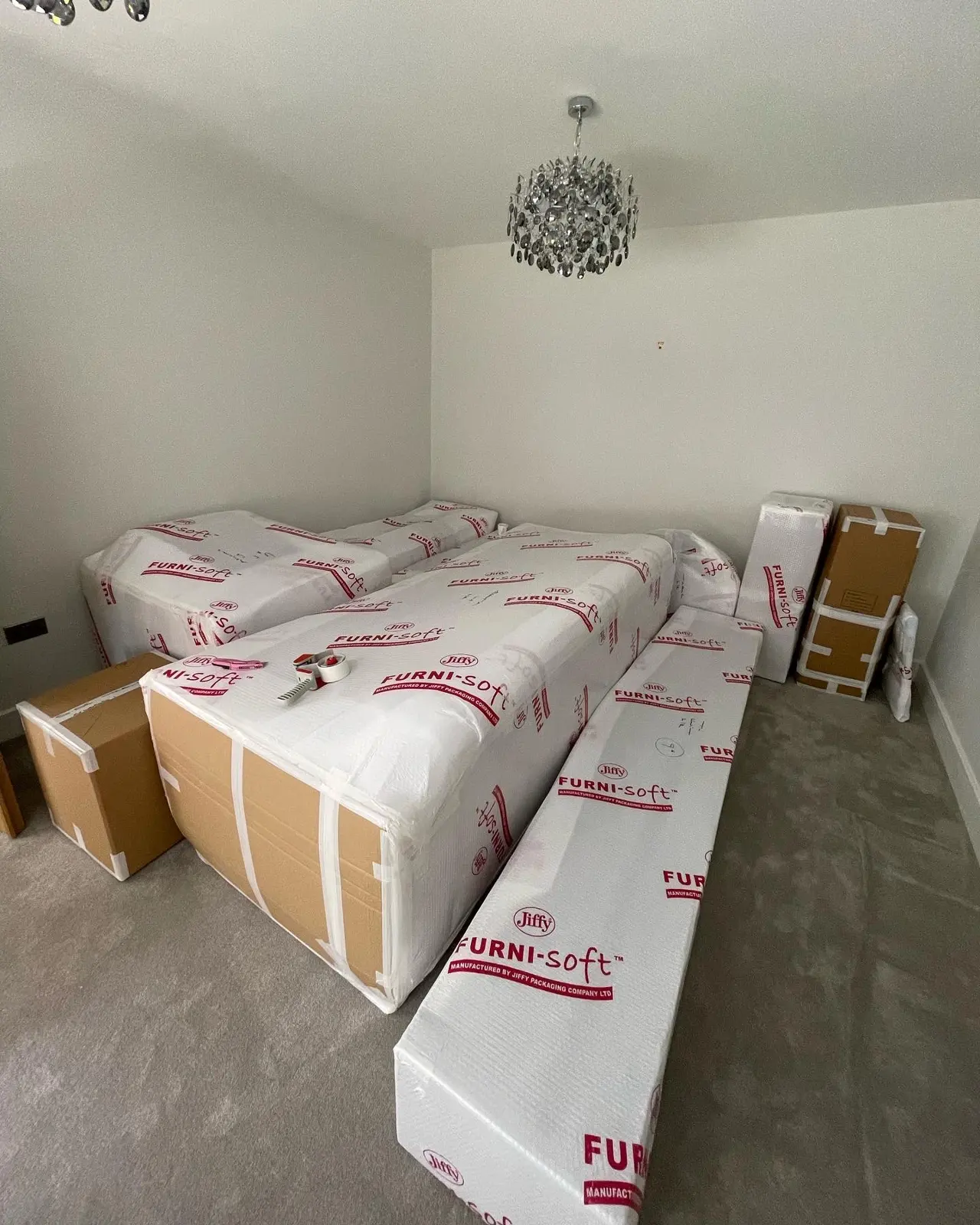
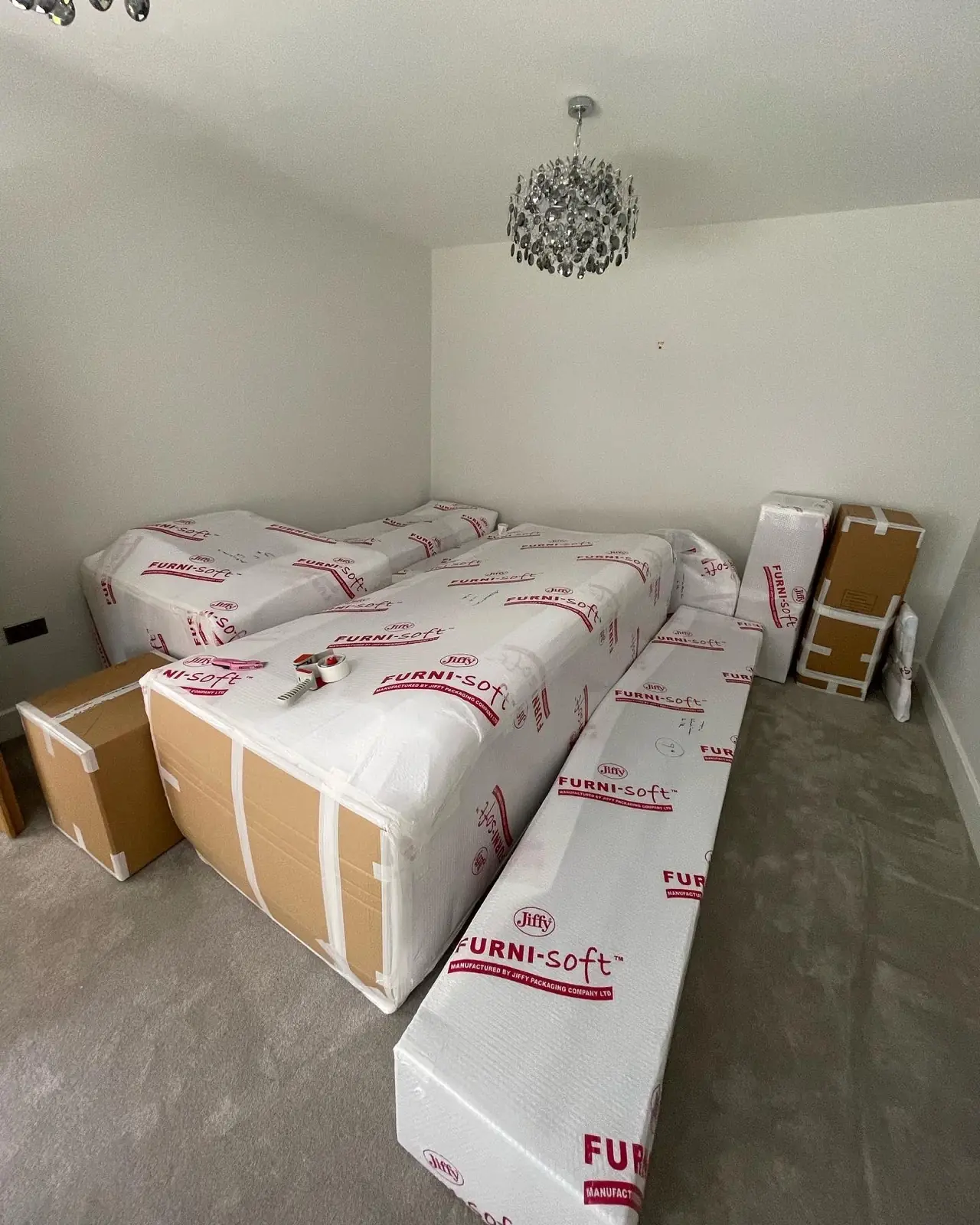
The garage is one of the most popular spaces to convert into a workshop, studio or office, because it is separate from the living space and often sitting half-empty anyway. The catch is what to do with everything currently stored in it. Rather than simply shuffling the clutter indoors, many of our customers move the garage contents into secure storage while the conversion happens, then keep only what they actually need once the space is finished.
Use storage to free up space at home
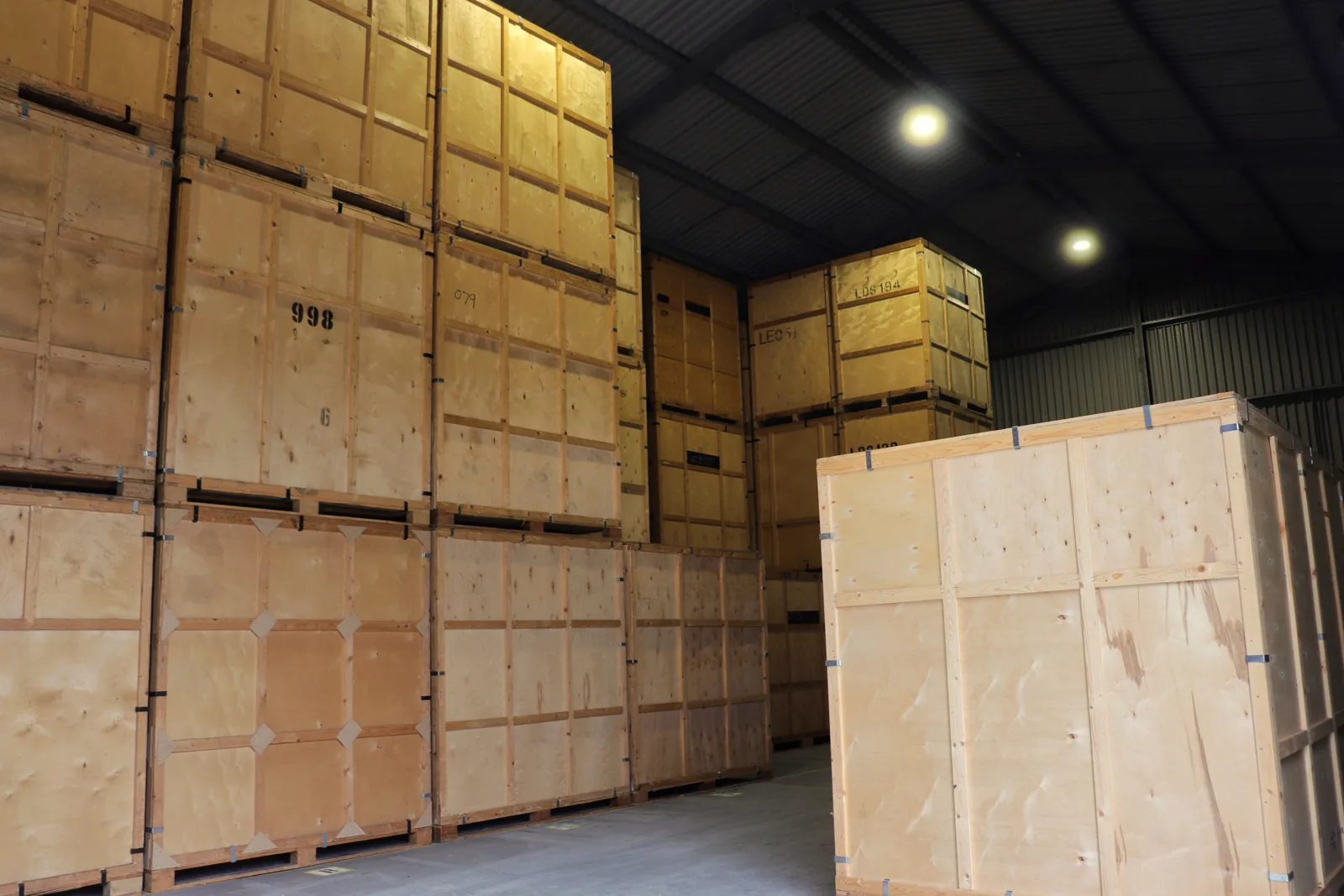
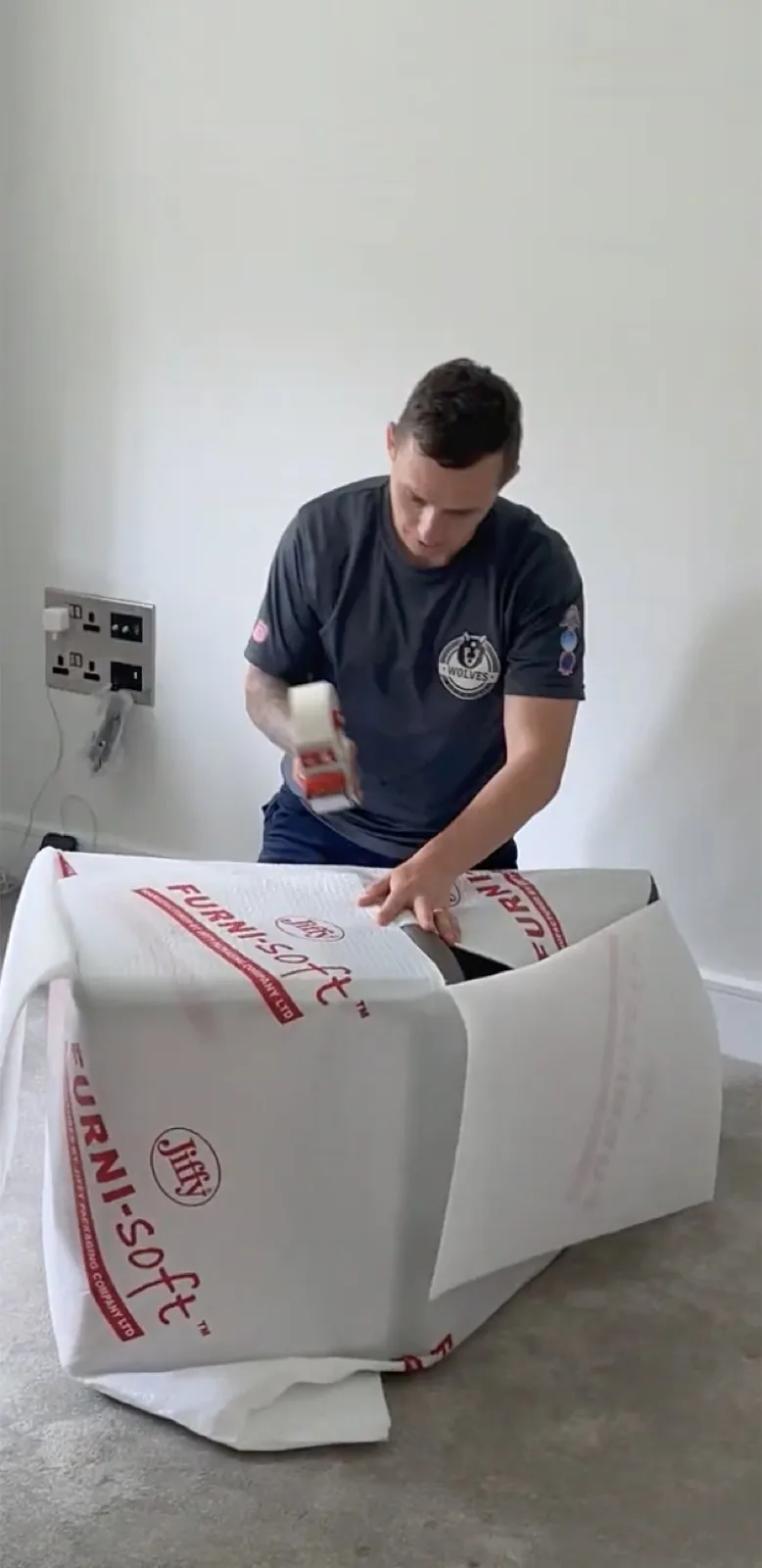
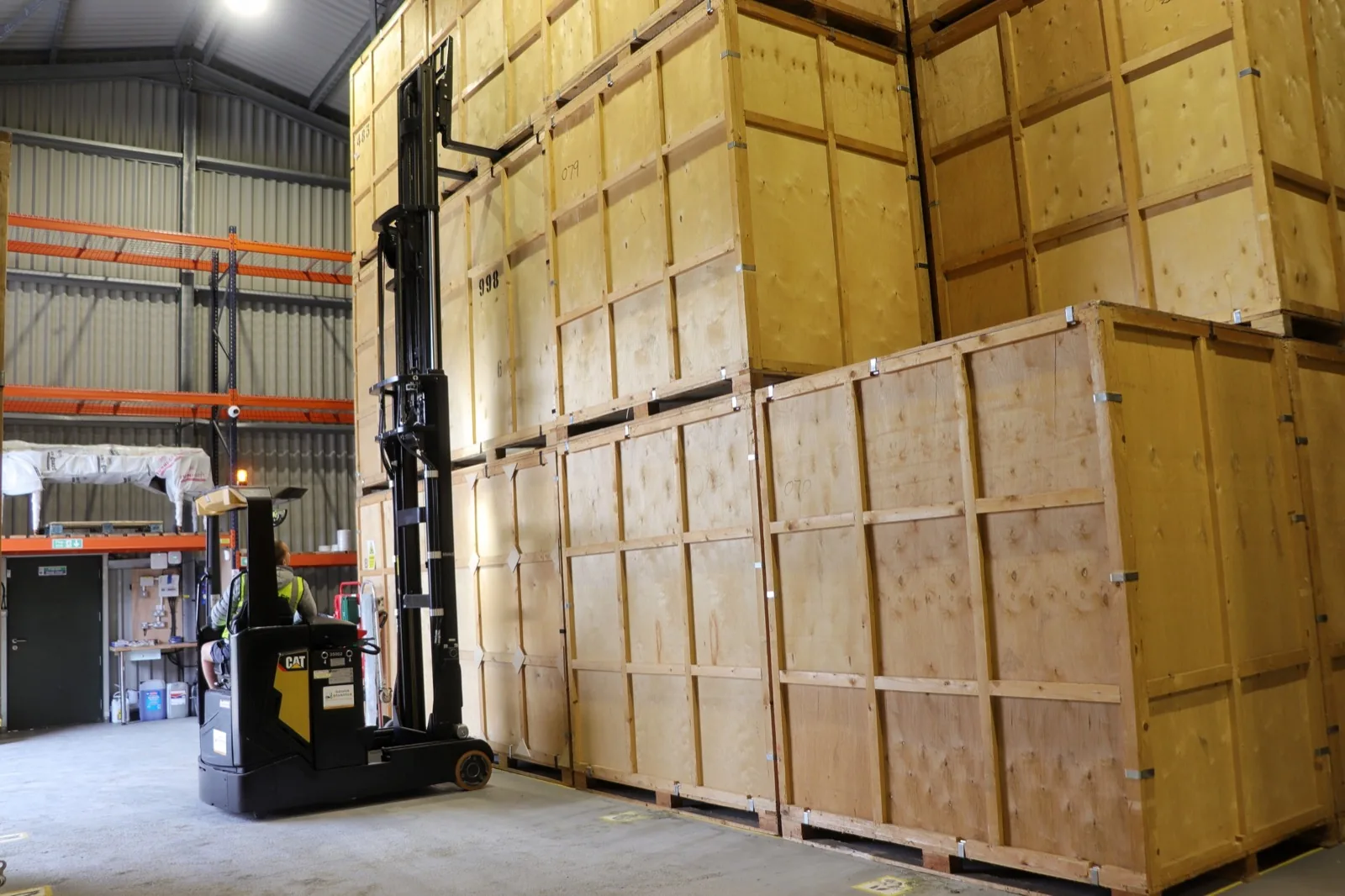
For a product-based business especially, the difference between chaos and calm is having somewhere proper to keep stock, packaging and equipment. Rather than surrendering a bedroom or letting boxes spill across the house, long-term storage gives a growing business room to breathe without the cost of commercial premises, while short-term storage is handy for seasonal stock peaks. Not sure how much space you would need? Our storage calculator gives you a quick, realistic estimate.

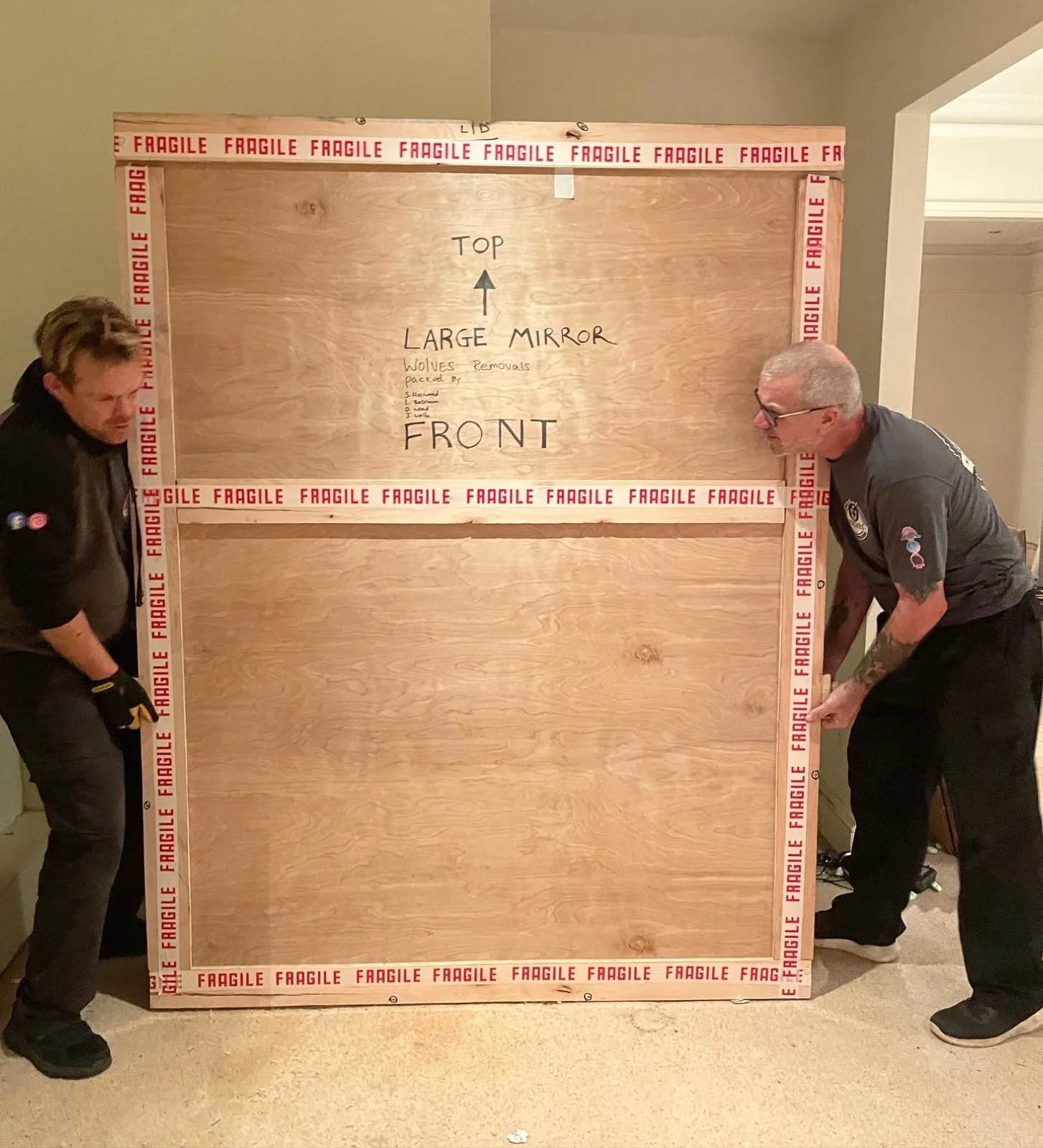
We’re a friendly, family-run Sussex removals and storage company that has been keeping its promises since 2016. From a single item to a full home or office move, every job is fully insured and led by a dedicated coordinator, so you always have one point of contact.
As a LAPADA member and a Checkatrade-verified team, we handle it all with real care — expert packing, home and business removals, clean, secure storage and specialist antiques handling across Sussex, Surrey, Hampshire and Kent.
Setting up a workspace that actually works
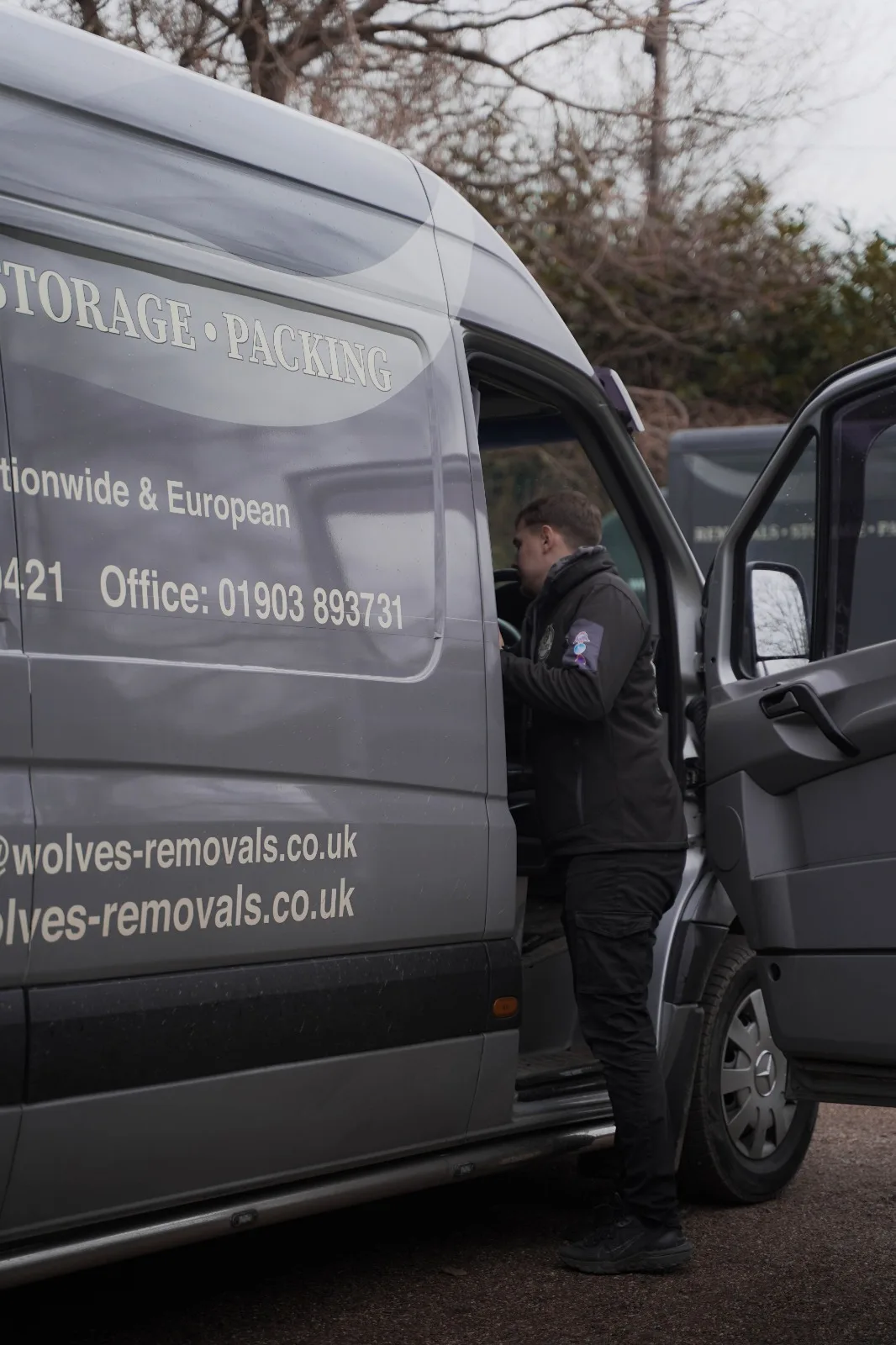
Once you have the space, a few principles separate a workspace you look forward to using from one you avoid. Give yourself a defined area you can shut the door on or at least walk away from, so work and home life do not bleed into one another. Invest in a proper chair and good lighting — you will spend hours here, and your back and eyes will thank you. Keep your filing and supplies organised from day one rather than promising to sort it later, because clutter compounds quickly in a small space.
Think too about how clients experience your business. If you take video calls, a tidy, neutral background and decent light make you look professional regardless of the room behind the camera. If clients or deliveries come to the door, a clear, presentable entrance matters. None of this requires a grand office — just a little intention about how the space is arranged.
The practical side of starting up: a quick checklist
Before you sink money into stock or equipment, a handful of practical steps save a great deal of trouble later. None are glamorous, but getting them in order from the start lets you focus on the work itself rather than firefighting.
- Register correctly — most home businesses start as a sole trader, which means a simple registration for self-assessment, while some choose to form a limited company. Check what suits your situation and your expected income.
- Check the rules for your home — running a business from a rented home or a leasehold flat may need your landlord's or freeholder's permission, and certain activities require council approval or food hygiene registration.
- Sort your insurance — a standard home policy rarely covers business stock, equipment or visitors, so look into appropriate cover before you trade.
- Separate your money — a dedicated business bank account keeps your records clean and your tax return far simpler at year end.
- Plan for storage and growth — think honestly about where stock and equipment will live as the business grows, before it spills across the house.
That last point is the one most people skip, and it is the one that quietly causes the most friction at home. Building a plan for space from day one — even if that plan is simply "the garage now, a storage unit if we double our orders" — keeps the business and the household on good terms as things expand.

Keeping work and home life apart under one roof
The flip side of the freedom a home business offers is that work can quietly take over the house and the day. When the office is ten steps from the sofa, it is all too easy to drift back to the laptop in the evening or feel you can never quite switch off. The most successful home workers are disciplined about boundaries, and the physical space plays a big part in that.
A door you can close at the end of the day is the simplest and most effective tool there is. If a separate room is not possible, a desk that tidies away, a screen that hides the work zone, or even just packing the laptop into a drawer each evening all help signal that the working day is done. Keeping stock and supplies out of the main living areas — in a converted garage, a dedicated cupboard or off-site in short-term storage during busy spells — means your home still feels like a home rather than a warehouse with a kettle.
Getting this balance right is not a luxury; it is what makes a home business sustainable for the long term. Plenty of promising ventures fizzle out not because they failed commercially, but because the household grew weary of living inside the business. A little planning around space and boundaries protects both.
When the business needs more space than home can give
Some home businesses outgrow the home, and that is a good problem to have. When the spare room can no longer cope, or when a growing family needs that space back, the natural next step is a small commercial unit, a shared workspace or a larger home. If a move is on the horizon, our commercial removals service handles office and business relocations with minimal disruption to your trading, and our man and van service, starting from £80, is perfect for the smaller jobs — moving stock, collecting equipment or shifting a few large items between sites.
Whatever stage you are at, getting the space right is what lets a home business thrive rather than merely survive. For more practical advice on organising and moving, our helpful tips are a good place to start, and if you would like to talk through clearing, storing or moving to make room for your venture, you are welcome to request a no-obligation quote or call our family-run team on 01903 893731. We have helped plenty of Sussex entrepreneurs carve out the space they needed — and we would be glad to help you do the same.
Above all, do not let a lack of space talk you out of an idea you believe in. Almost every successful home business started small, in a corner that someone was prepared to clear and claim. With a little planning around storage, a defined workspace and sensible boundaries between work and home, even a modest property can comfortably house a thriving venture. The idea is the spark; making room for it is what gives it the chance to grow.





22 Home-Based Business Ideas (and How to Make Room for One) — FAQs
Service businesses such as virtual assistance, freelance writing, tutoring or consulting are among the easiest, because they often need little more than your expertise, a laptop and a reliable internet connection. There is no stock to buy or store, so you can begin with very little upfront cost.
Repurpose a room you barely use, such as a formal dining room or box room, or convert the garage. The main obstacle is usually existing clutter. A house clearance can remove what you no longer need, and moving bulky belongings into secure storage frees up space without you having to surrender a bedroom.
Rather than letting boxes spread through the house, many home businesses use long-term storage to keep stock, packaging and equipment safe and accessible, with short-term storage handy for seasonal peaks. Our online storage calculator gives a quick estimate of how much space you would need.
Give yourself a defined area you can step away from, invest in a good chair and proper lighting, and keep supplies organised from the start. For client video calls, a tidy, neutral background with decent light keeps you looking professional regardless of the room behind you.
That is a good problem to have. When the spare room can no longer cope, the next step is often a small commercial unit, a shared workspace or a larger home. Our commercial removals service handles business relocations with minimal disruption, and our man and van service, from £80, is ideal for moving stock and equipment.