
How to Turn a Garage into a Home Office: A Complete Guide
The garage is one of the most underused spaces in the average home. For many households it has quietly become a dumping ground for things that no longer fit indoors, while the car sits on the drive. With more of us working from home than ever, that overlooked space holds enormous potential. Turning a garage into a home office gives you a dedicated, separate place to work, away from the distractions of the kitchen table, without the expense and upheaval of a full extension. This guide walks you through how to do it properly, from clearing the clutter to creating a warm, well-lit room you will genuinely enjoy working in.
Published 2023-09-09 · Wolves Removals
Moving House Soon? Get a Free Quote
Get a fast, fixed price from your local Sussex removals team.
Why a Garage Makes a Great Home Office
The appeal of a garage conversion is simple: you already have the structure. The walls, roof and floor are in place, which makes it far cheaper and quicker than building from scratch. Crucially, a garage office gives you genuine separation from the rest of the house. Closing a door between work and home life does wonders for focus during the day and for switching off in the evening, something anyone who has spent lockdown working from the sofa will appreciate.
A garage is also typically a decent size, often big enough for a proper desk, storage and even a small meeting or seating area. And because it usually sits slightly apart from the main living space, you get a quieter environment with fewer interruptions. Get the conversion right and you create a room that adds real value and usefulness to your home for years to come.
Check the Practicalities First
Before you start dreaming about desk placement, do a little homework. Most garage conversions for a home office that does not change the building's footprint fall under permitted development, but it is always worth checking with your local planning authority, particularly if you live in a conservation area or a listed property. If you intend to do significant structural work, or convert an integral garage, building regulations will apply, covering insulation, ventilation, fire safety and electrics. When in doubt, a quick conversation with a local builder or your council's planning team saves headaches later.
Step One: Clear the Space Completely
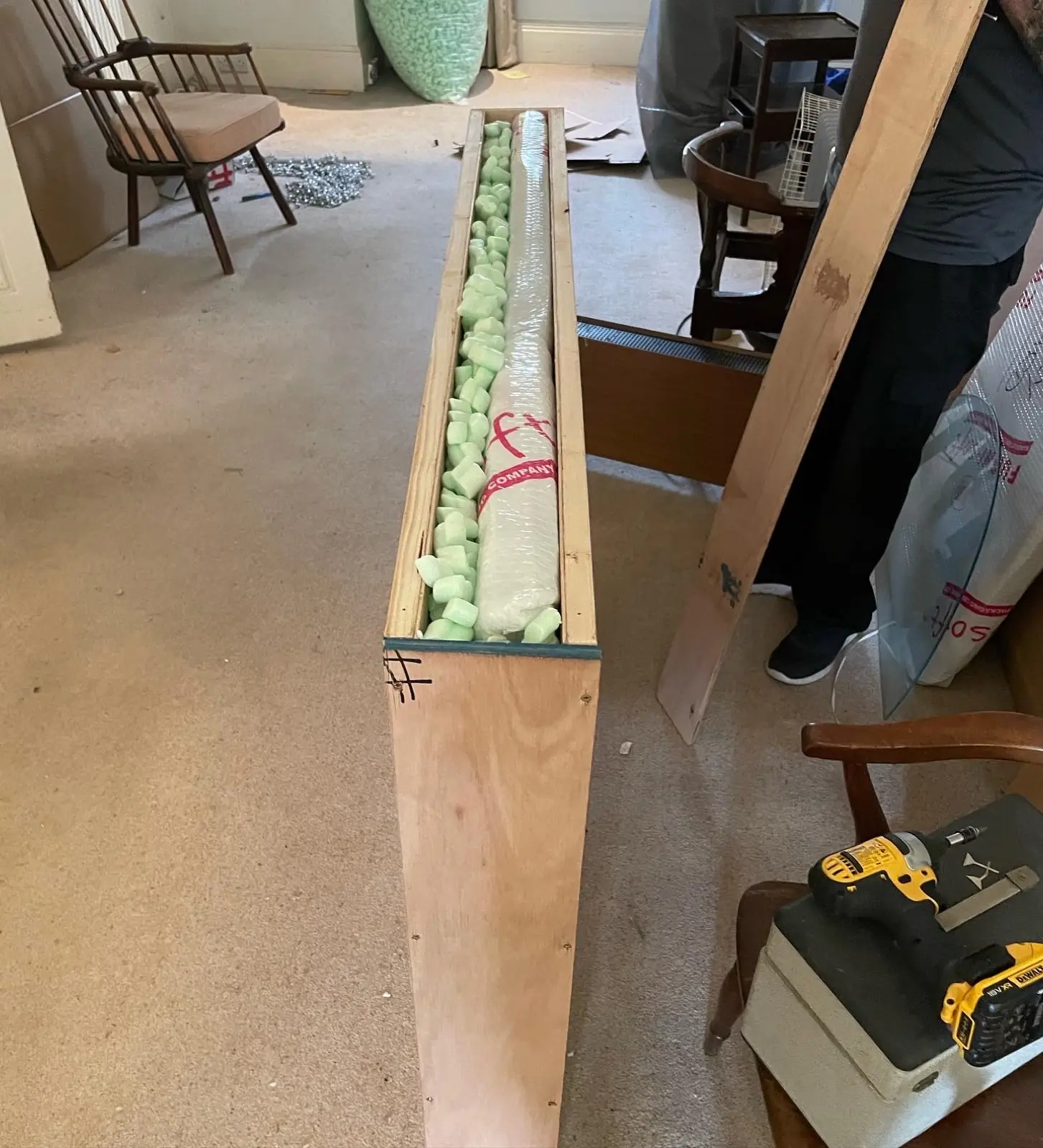
Every successful conversion starts with an empty garage, and that is usually the biggest hurdle. Garages accumulate an extraordinary amount over the years: old furniture, tools, paint tins, garden equipment, boxes of things you forgot you owned. Before any work can begin, all of it has to come out.
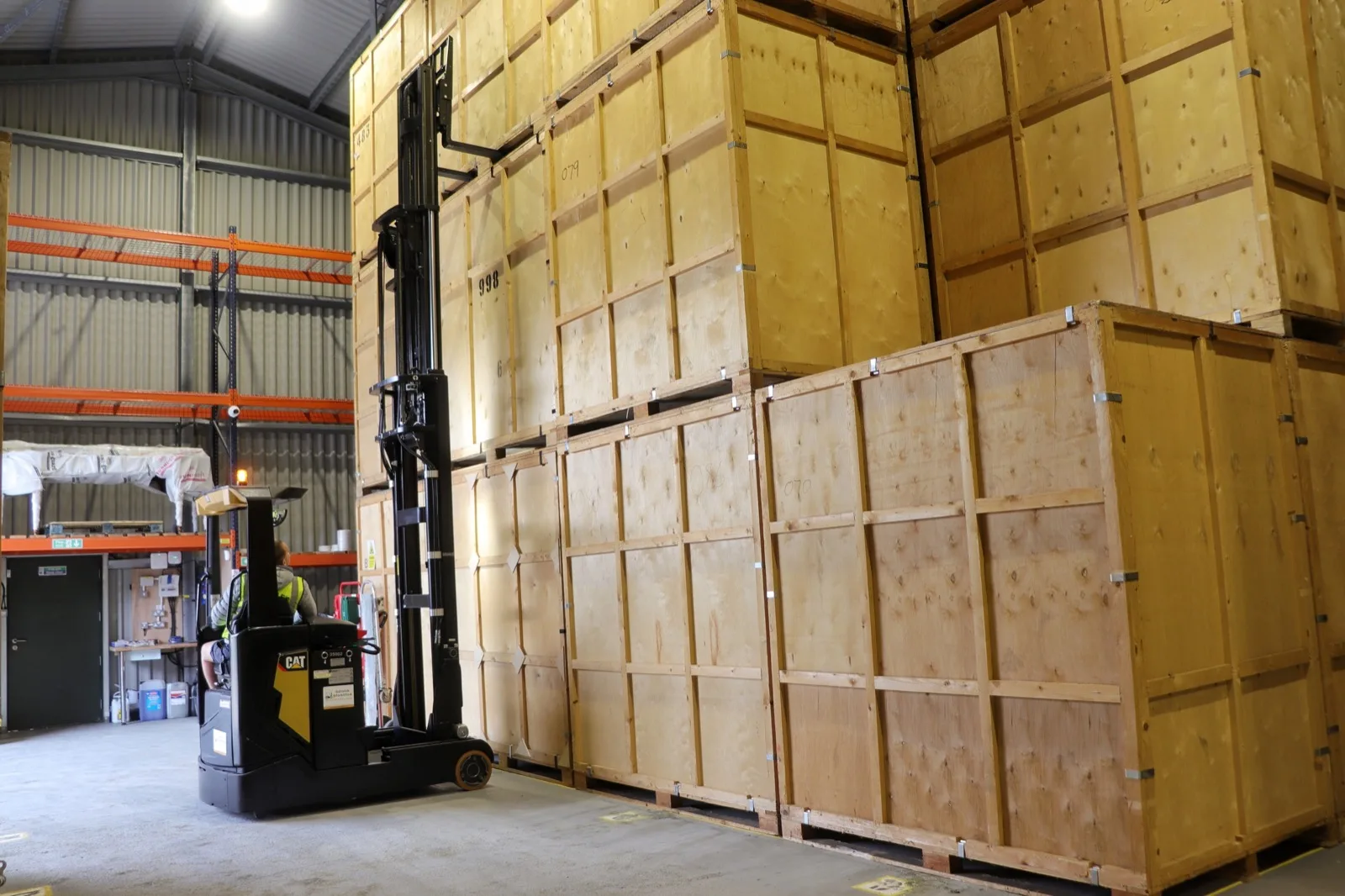
Work through everything methodically and sort it into keep, donate, sell and dispose. Be honest about what you actually use. The tools and seasonal items worth keeping need a new home, which is where many people get stuck, because the garage was the home. If your loft or shed cannot absorb the overflow, a spell of secure self storage is the neat solution, keeping your belongings safe and accessible while freeing up the garage entirely. Our storage calculator helps you estimate exactly how much space you will need so you are not paying for more than necessary.
If the clear-out reveals more than you can handle, or you simply want it gone quickly, our house clearance service can take the strain, removing unwanted items responsibly so you can start the conversion with a genuinely blank canvas.
Step Two: Insulate, Damp-Proof and Weatherproof
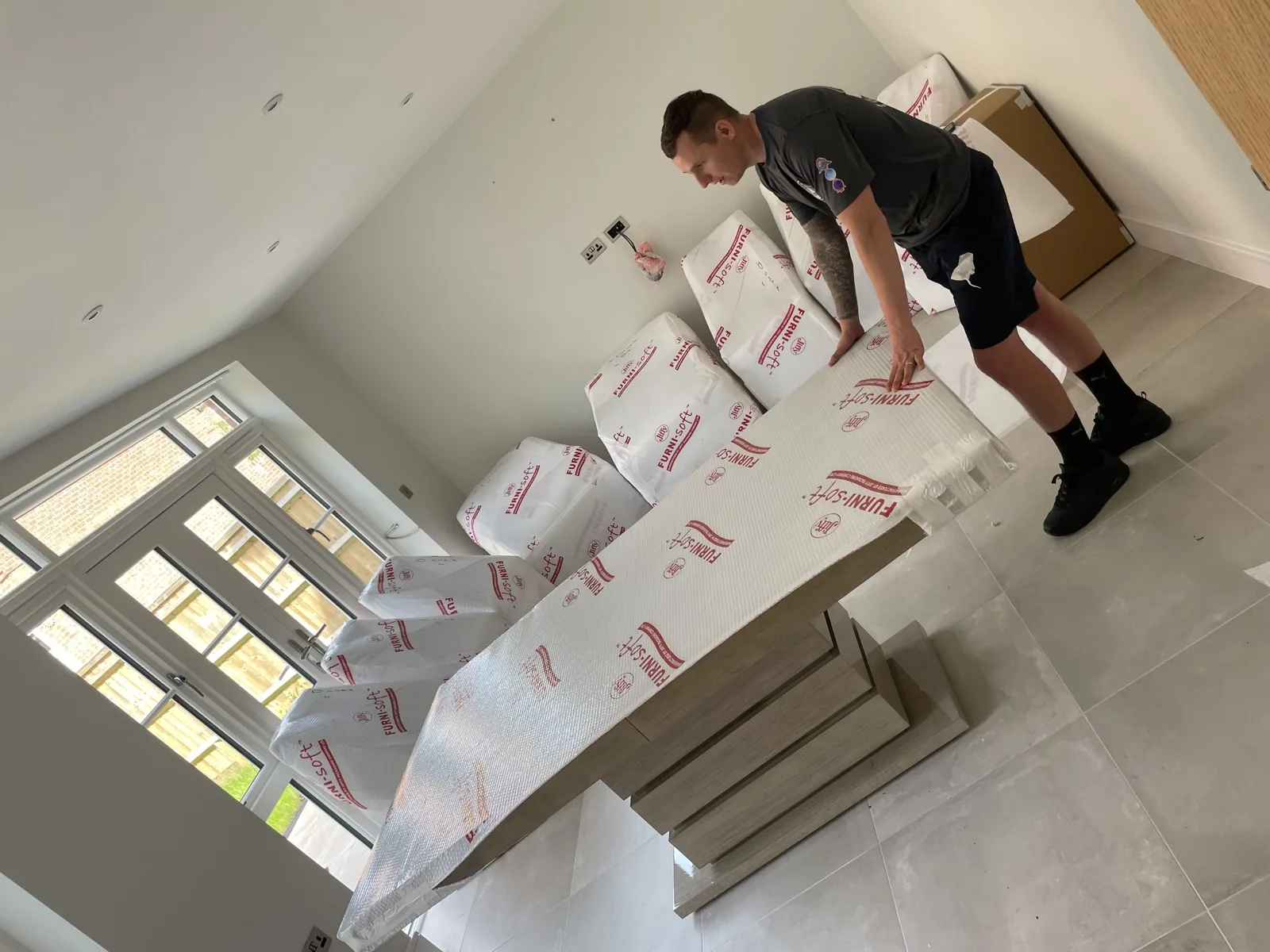
Here is the truth most people underestimate: an unconverted garage is cold, often damp and not built for comfortable year-round occupation. Insulation is the single most important investment in the whole project, and skimping on it is a false economy you will regret every winter.
Walls, Roof and Floor
Garage walls are frequently single-skin brick or blockwork, so insulating them is essential. Insulated plasterboard or a stud framework filled with insulation and boarded over works well, giving you a warm, smooth internal surface ready for decoration. The roof needs attention too, as a great deal of heat escapes upwards; insulating between and below the rafters makes a dramatic difference. The floor is often overlooked, but a cold concrete slab will chill the whole room, so an insulated, level floor finish transforms how the space feels underfoot.

Tackle Damp and Draughts
Many garages suffer from damp, whether rising, penetrating or simply condensation from poor ventilation. Address the cause before you insulate and decorate, otherwise you risk sealing problems in. A damp-proof membrane on the floor, attention to any leaks, and adequate ventilation will keep the room dry and healthy. Replace the up-and-over garage door, which is rarely well sealed, with a proper insulated wall, a window or French doors. This step alone makes the biggest difference to comfort and turns the space from a garage into a room.

Step Three: Sort the Electrics, Heating and Connectivity
A home office needs power, and plenty of it. This is firmly a job for a qualified electrician, both for safety and to comply with building regulations. Plan your sockets generously before the walls are boarded, thinking about where your desk, monitors, printer, lamps and chargers will live. There is nothing more frustrating than a beautifully finished office with a single socket in the wrong corner and extension leads trailing everywhere.

Heating
Even a well-insulated garage needs a heat source. Options range from an additional radiator connected to your existing central heating, to electric panel heaters, to an air-source unit that also cools the room in summer. Underfloor heating is a lovely touch if you are relaying the floor anyway. Choose based on how often you will use the room and your budget, but do not leave it as an afterthought.
Internet and Lighting
Reliable connectivity is non-negotiable for most home workers. A garage is often the part of the house furthest from your router, so test the signal early. A wired connection or a quality mesh system will save you endless video-call frustration. As for lighting, aim for layers: good general overhead light, plus a task light at the desk and, ideally, plenty of natural light from new windows. A bright, well-lit room is more pleasant and more productive than a dim one.

Step Four: Plan the Layout and Storage
With the shell sorted, turn to how the room will actually work. Position your desk to make the most of natural light, ideally side-on to a window to avoid glare on your screen, and so that your back is not to the door, which most people find unsettling. Leave room to move comfortably and, if space allows, create a distinct zone for a comfy chair or a small sofa so the room is not purely about staring at a screen.
Storage is what keeps a home office calm and functional. Built-in shelving and cupboards make the most of the available space and keep clutter out of sight. Think about filing, supplies and any equipment you need to hand. For inspiration on getting the working setup right, our guide on how to set up a home office covers desks, chairs, ergonomics and the kit that makes a difference to your working day.
Step Five: Decorate and Make It Yours
The final and most enjoyable stage is turning a converted shell into a space you want to spend time in. Light, neutral colours make a room feel larger and brighter, which suits a former garage well, but there is no harm in an accent wall or some colour if it lifts your mood. Good flooring, whether engineered wood, vinyl or a quality carpet, finishes the room and adds warmth.
Personal touches matter more than people expect. Plants, artwork, a pinboard and decent storage baskets all help the room feel like a deliberate, cared-for space rather than a converted garage. The more you enjoy being in there, the more you will actually use it, and the better your working life will be for the separation it gives you. If you have been wrestling with working from the dining table, you will find our piece on alternatives to the kitchen table a useful read alongside this one.

We’re a friendly, family-run Sussex removals and storage company that has been keeping its promises since 2016. From a single item to a full home or office move, every job is fully insured and led by a dedicated coordinator, so you always have one point of contact.
As a LAPADA member and a Checkatrade-verified team, we handle it all with real care — expert packing, home and business removals, clean, secure storage and specialist antiques handling across Sussex, Surrey, Hampshire and Kent.

What It Costs and Whether It Adds Value
Costs vary enormously depending on the condition of the garage, how much structural work is needed and the quality of the finish, so it is wise to get a few detailed quotes from local builders rather than rely on rough figures. As a rule, a garage conversion is considerably cheaper than an equivalent extension because the structure already exists, which is a large part of its appeal.
On value, a well-executed conversion that adds genuinely usable living or working space generally enhances a home, though it is worth weighing this against the loss of garage storage, which some buyers prize. If you live somewhere parking is at a premium, that trade-off deserves thought. For most home workers, though, gaining a proper, separate office far outweighs losing a space that was storing junk anyway.

Dealing with the Stuff You Cleared Out
One question crops up again and again with garage conversions: what happens to everything that was in there? The answer shapes how smoothly the whole project goes. Sorting belongings into keep, donate, sell and dispose at the very start prevents the conversion stalling halfway through because you have nowhere to put the lawnmower.
For the things you want to keep but no longer have room for, flexible storage is the obvious answer, and you can take it for as long or as short a time as you need. Whether you are a Sussex household clearing out before a conversion or a business owner reclaiming a unit, we offer clean, secure storage solutions alongside collection and delivery, so you do not have to ferry everything yourself. We have been helping people across West Sussex, Surrey, Hampshire and Kent reorganise their homes since 2016, and a garage clear-out is exactly the kind of job we are set up for. Give us a call on 01903 893731 or request a quote to talk it through.

Detached Garages Versus Integral Garages
Not all garages convert the same way, and the type you have affects both the work involved and the rules that apply. An integral garage, built into the main house and sharing walls with living space, is generally the more straightforward to convert into a home office because it already benefits from the warmth of the surrounding rooms and is easy to connect to the existing heating, plumbing and electrical systems. Because it forms part of the dwelling, though, building regulations are more likely to apply in full, particularly around fire separation between the new room and the rest of the house.
A detached or freestanding garage offers a different set of trade-offs. The separation that makes it such an appealing office, well away from the noise and distractions of family life, also means it is colder, harder to heat and more involved to run services to. Routing power, internet and possibly heating across to a separate building takes more planning and expense, and you will need to think carefully about insulation and damp because the structure stands fully exposed to the weather on all sides. The reward is a genuine garden office with a real sense of leaving the house to go to work, which many people find does wonders for their focus and their work-life balance.

Lighting and Wellbeing
It is worth dwelling a little longer on natural light, because it has an outsized effect on how a converted garage feels to work in. Original garages are typically dim, with little or no glazing, and a windowless office quickly becomes a gloomy, dispiriting place however well it is decorated. Where the building allows, adding windows, a glazed door or even a rooflight transforms the room, flooding it with daylight that lifts mood, supports a healthy body clock and reduces eye strain during long working days. If your office faces a pleasant outlook, all the better; a view of the garden is a small luxury that makes the working day more enjoyable. Where extensive glazing is not possible, good-quality artificial lighting that mimics daylight is the next best thing, and well worth the modest extra cost.

Bringing It All Together
Converting a garage into a home office is one of the most rewarding home projects you can take on. It is cheaper and faster than an extension, it makes use of space you are almost certainly under-using, and it gives you the single most valuable thing a home worker can have: a proper door to close. Approach it in order, clear the space, insulate and weatherproof, sort the electrics and heating, then plan the layout and decorate, and you will end up with a room that genuinely improves your working life.
The hardest part is usually the first step of clearing the space, so if that is where you are stuck, remember that storage and clearance can take it off your plate entirely. Once the garage is empty, the exciting work can begin. For more on creating a productive working environment once the room is built, take a look at our home office setup guide, and start picturing the daily commute that ends at the bottom of your garden.







How to Turn a Garage into a Home Office: A Complete Guide — FAQs
In many cases a garage conversion that does not alter the building's footprint falls under permitted development, but you should always check with your local planning authority, especially in conservation areas or listed properties. Significant structural work or converting an integral garage will bring building regulations into play, covering insulation, ventilation, fire safety and electrics.
Insulation, without question. An unconverted garage is cold and often damp, so insulating the walls, roof and floor, addressing any damp, and replacing the up-and-over door with a sealed wall or windows is what turns it from a chilly store into a comfortable, year-round room. Skimping here is a false economy you will feel every winter.
Sort it into keep, donate, sell and dispose right at the start. For belongings you want to keep but no longer have space for, secure self storage is ideal, and a storage calculator helps you book only the space you need. If you want unwanted items gone quickly, a house clearance service can remove them responsibly.
A well-executed conversion that adds genuinely usable living or working space generally enhances a home, and it is far cheaper than an equivalent extension because the structure already exists. Weigh this against the loss of garage storage, which matters more in areas where parking or storage is at a premium.
Yes. We offer secure storage solutions alongside collection and delivery, plus a house clearance service for unwanted items, so you can empty the garage without ferrying everything yourself. We have served West Sussex, Surrey, Hampshire and Kent since 2016. Call 01903 893731 or request a quote to discuss your conversion clear-out.