
Moving a Piano Safely: What You Need to Know
A piano is rarely just a piece of furniture. It is often a treasured instrument, a family heirloom and a serious financial investment all at once, and it is also one of the heaviest, most awkward and most delicate things you can attempt to move. Every year, well-meaning people damage their pianos, their homes and occasionally themselves trying to shift one without the right knowledge or equipment. This guide explains exactly what is involved in moving a piano safely, why these instruments demand specialist handling, and how to make sure yours arrives at its new home in perfect condition.
Published 2025-03-22 · Wolves Removals
Moving House Soon? Get a Free Quote
Get a fast, fixed price from your local Sussex removals team.
Why Pianos Are So Difficult to Move
To understand why piano moving is a specialist job, it helps to appreciate what you are actually dealing with. An upright piano typically weighs somewhere between 150 and 300 kilograms, while a grand piano can exceed 400 kilograms. That weight is not evenly distributed either, which makes the instrument prone to tipping and extremely difficult to control on stairs or uneven ground.
Beyond the sheer mass, a piano is a precision instrument containing thousands of moving parts under enormous tension. The strings of a piano collectively exert tonnes of force on the frame, and the action, the intricate mechanism connecting keys to hammers, is finely calibrated. A heavy knock, a sharp jolt or careless handling can damage the case, knock the instrument out of tune, or cause expensive internal harm that may not be obvious until it is played. The polished casework is also easily scratched or dented, and on a valuable instrument that damage is heartbreaking and costly to repair.
The Risks of Doing It Yourself
It is tempting to gather a few strong friends and attempt the move yourself, but this is where most piano disasters happen. The combination of extreme weight, an awkward shape and a high centre of gravity makes a piano genuinely dangerous to move without training. Dropped pianos cause crushed fingers, broken toes and back injuries every year, and a piano that gets away from you on a staircase can do catastrophic damage to the instrument, your property and the people around it. Add to that the near certainty of scuffed walls, scratched floors and torn carpets, and the do-it-yourself approach rarely saves money once you account for what can go wrong.
What Professional Piano Moving Involves
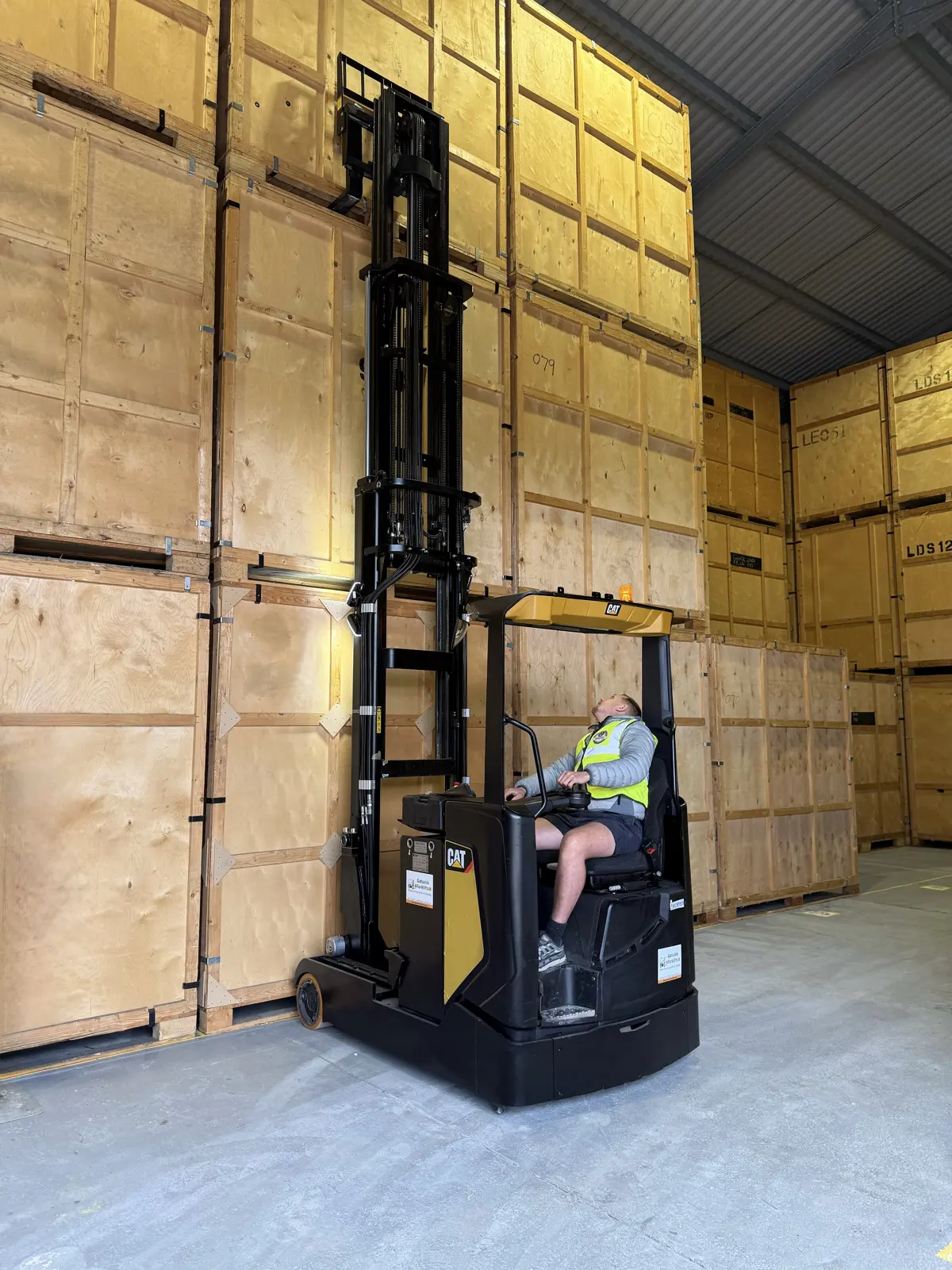
Professional piano movers bring a combination of specialist equipment, technique and experience that simply cannot be improvised on the day. Understanding what goes into the job shows why it is worth entrusting to people who do it regularly.
The Right Equipment
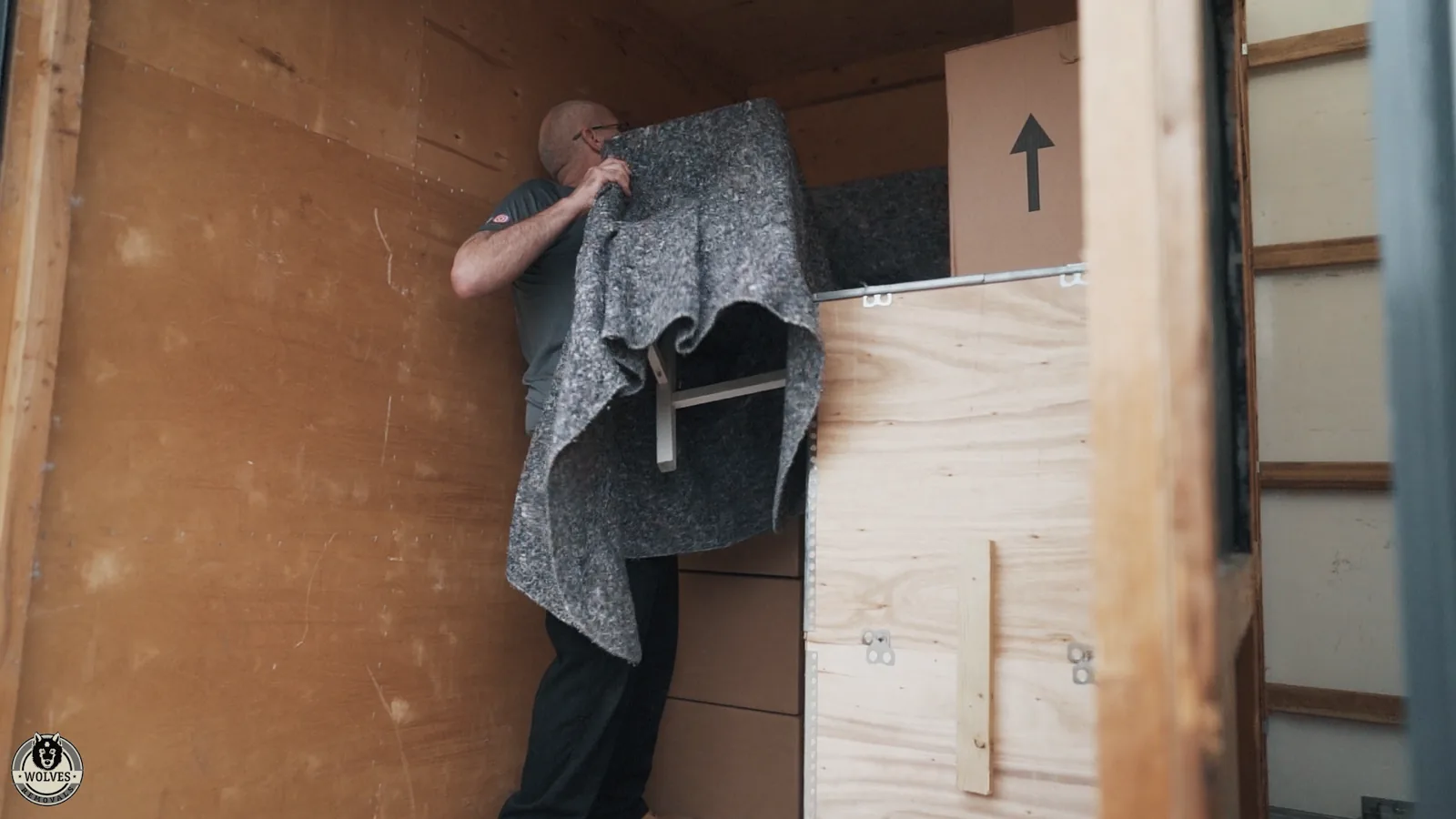
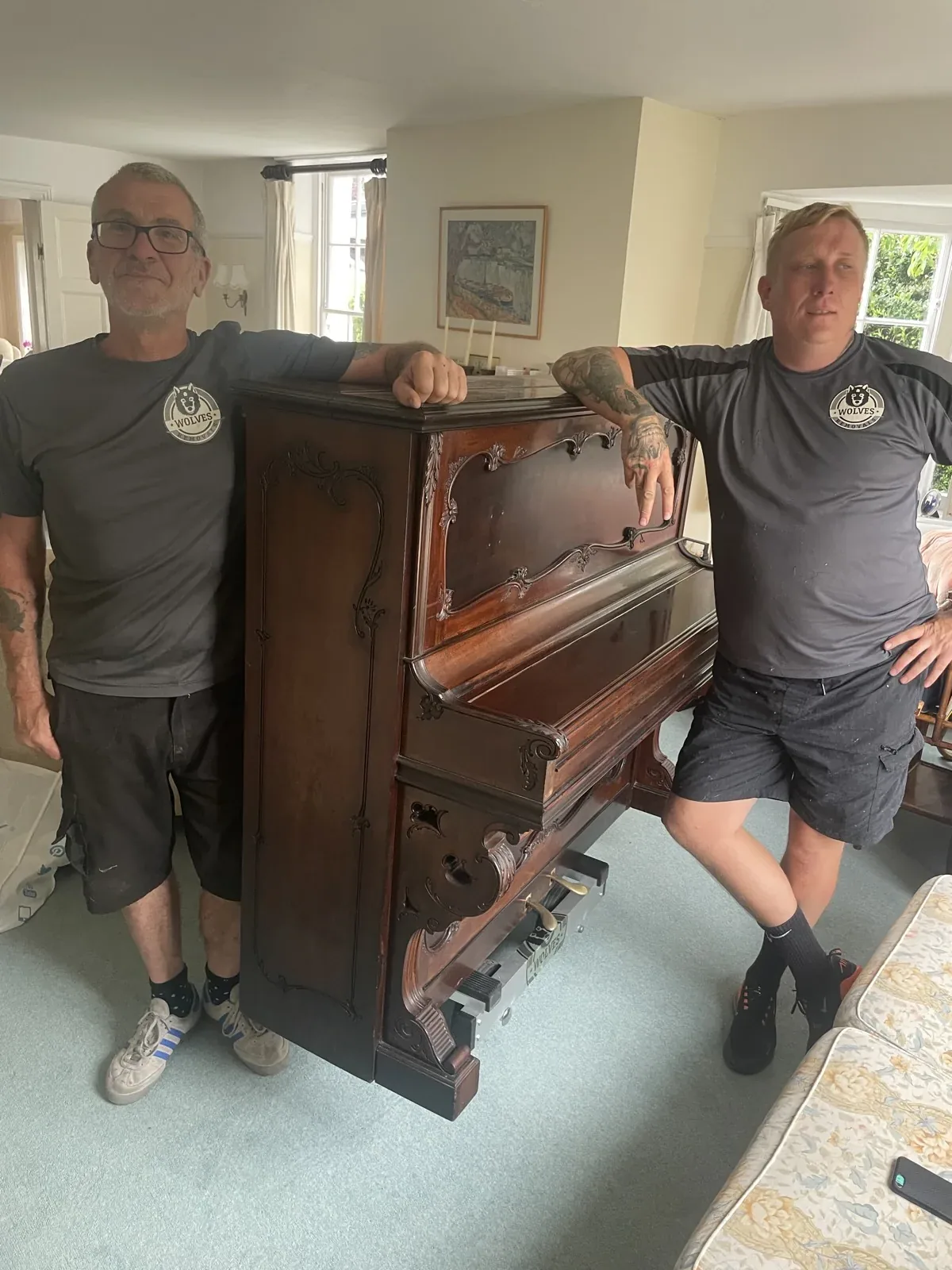
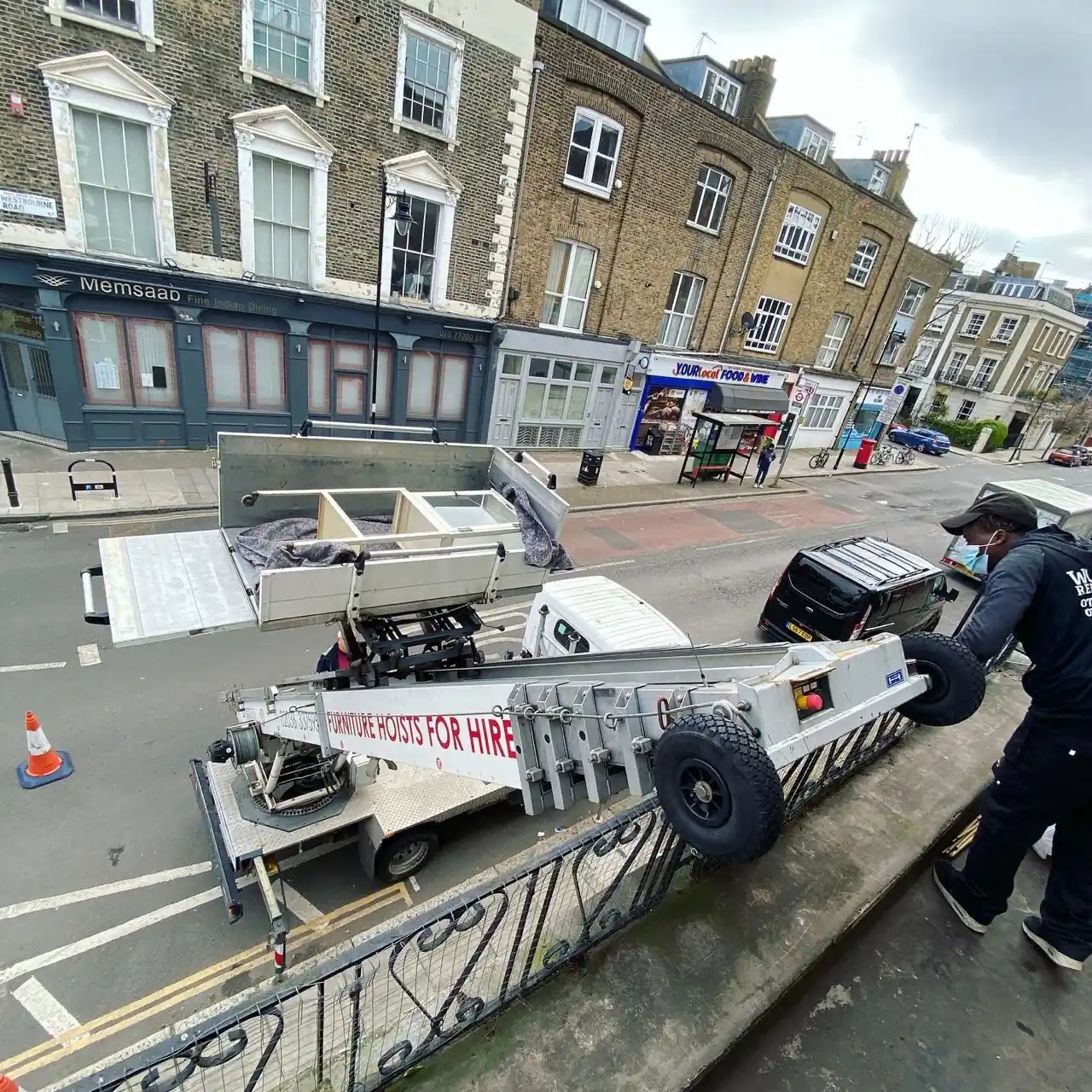
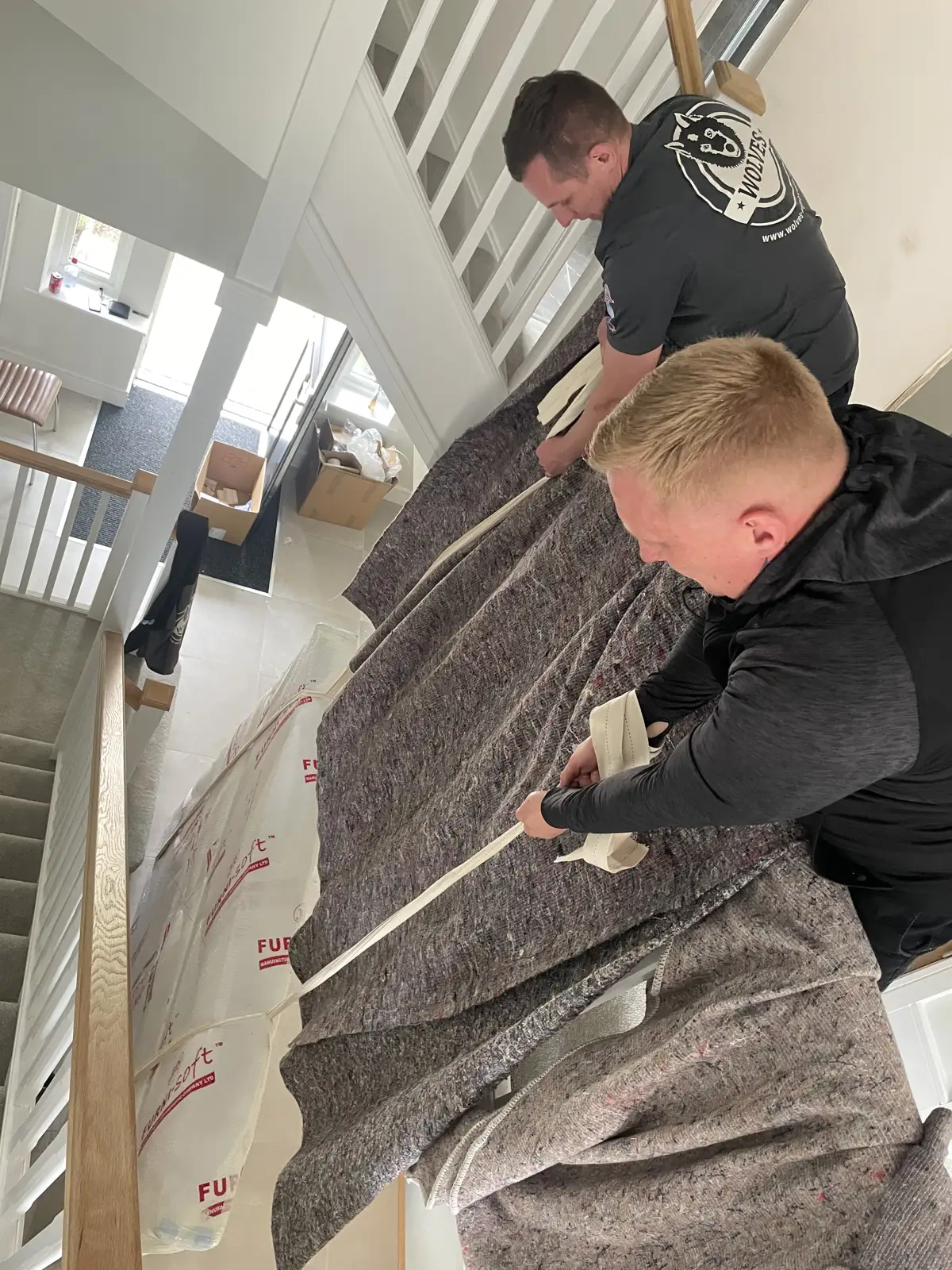
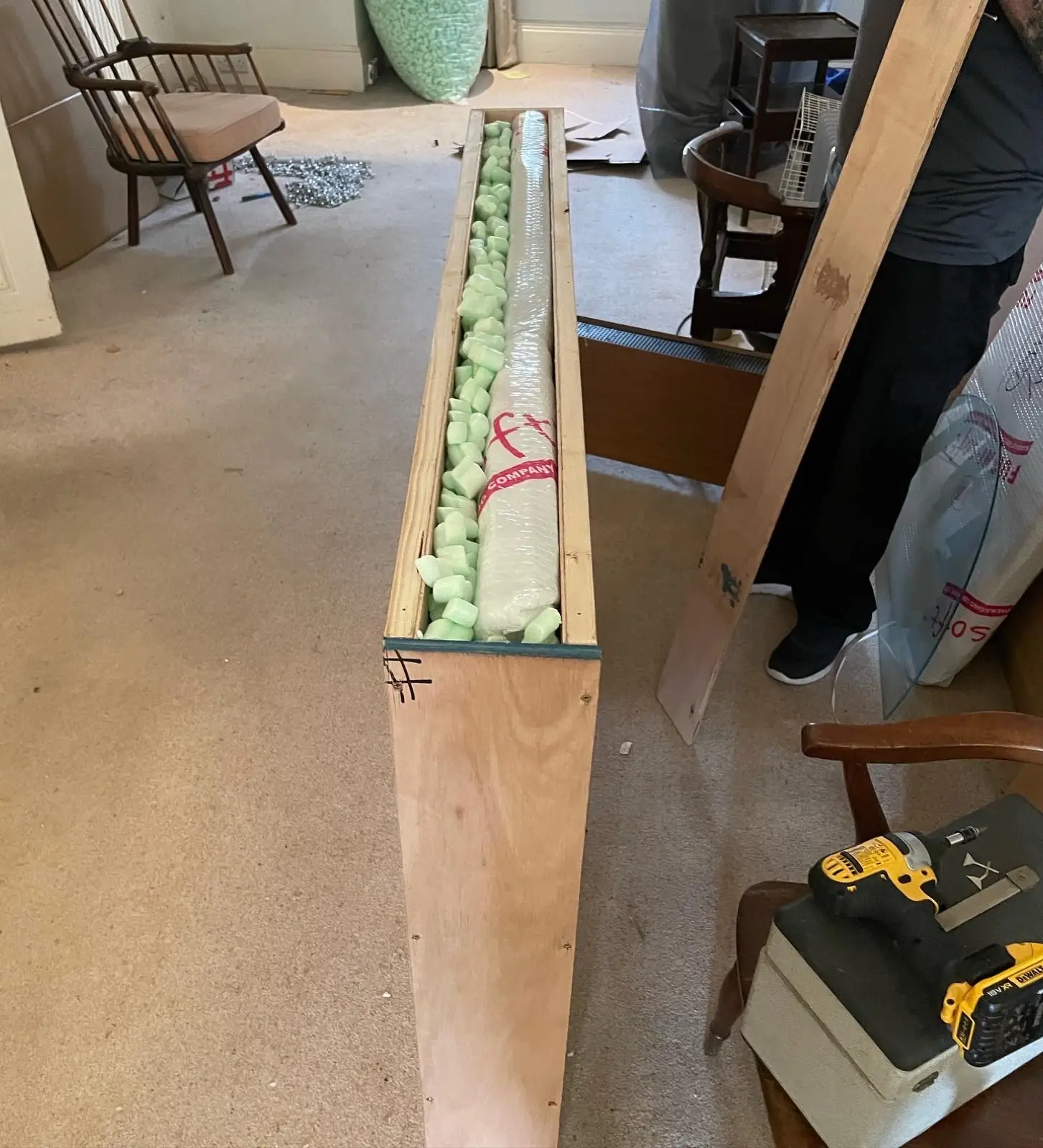
Specialist piano moving relies on purpose-made kit. A piano dolly or skid board takes the weight and allows the instrument to be wheeled smoothly, heavy-duty straps give the team controlled lifting and secure anchoring in the vehicle, and thick padded blankets protect the casework throughout. For grand pianos, the legs and pedal lyre are carefully removed and the body is laid on its side on a padded skid board, a technique that protects the delicate parts and makes the instrument far easier to manoeuvre. None of this is equipment the average household keeps in the garage.

Trained Technique
Just as important as the kit is knowing how to use it. Professional movers understand how to balance and tilt a piano, how to coordinate a lift so the load stays controlled, and how to negotiate tight doorways, narrow hallways, awkward corners and, above all, stairs. Stairs are where most of the difficulty and danger concentrate, and experienced movers approach them methodically, never rushing, always keeping the instrument under control. This quiet competence is what keeps both the piano and the property safe.
Protecting Your Home
A good piano move protects more than the instrument. The team will assess the route in advance, measure doorways and tight spots, and protect floors, walls and door frames as needed. Planning the path from the piano's current position right out to the vehicle, and again at the destination, avoids the panicked discovery halfway through that the instrument will not fit through a doorway.

Our Specialist Piano Moving Service
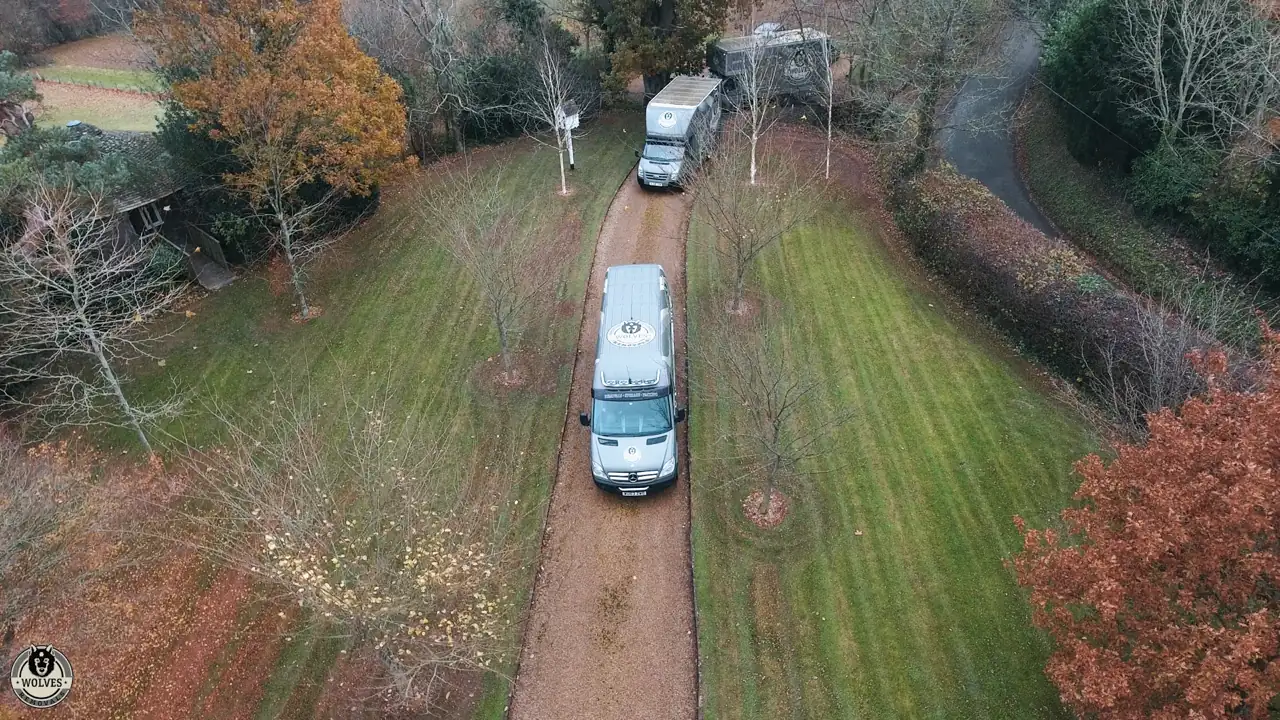
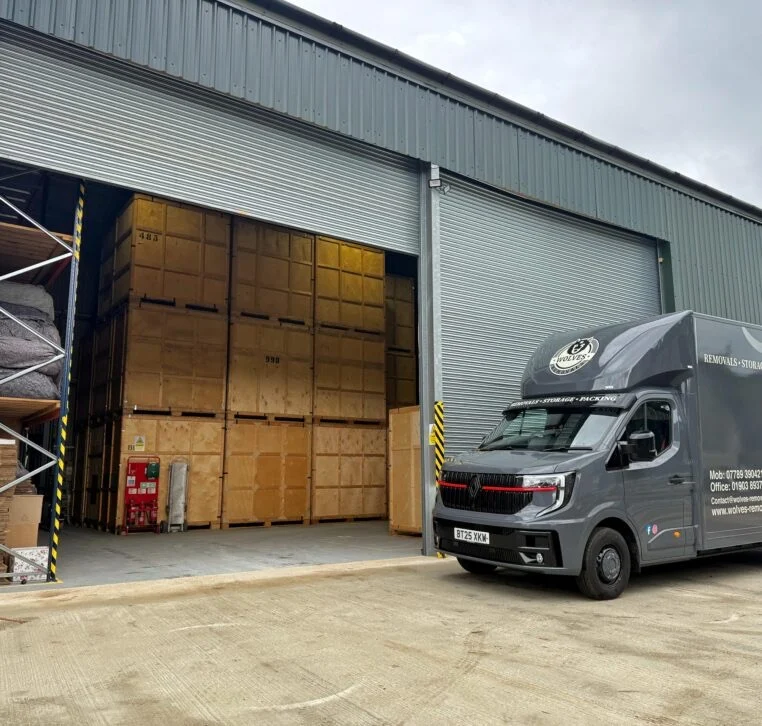
At Wolves Removals we treat pianos with the care they deserve. Our dedicated piano moving service is built specifically around the demands of these instruments, using the proper equipment and trained crews who understand both the weight and the fragility involved. We have been moving treasured and valuable items across West Sussex, Surrey, Hampshire and Kent since 2016, and we are fully insured with liability cover up to £10m, so your instrument is properly protected from the moment we arrive to the moment it is settled in its new home.
Because a piano is so often a valued antique or a significant family possession, our piano work sits alongside our wider specialised antiques moving expertise. As a LAPADA member, we are well versed in handling fine, delicate and high-value items, and that same meticulous approach applies to every piano we move. Whether you are relocating an upright across town or a grand piano across the county, we plan the job carefully, protect the instrument and your home throughout, and place it exactly where you want it.
Tuning After a Move
One thing worth knowing is that almost any piano will need tuning after it has been moved. Changes in position, temperature and humidity affect the strings and soundboard, so even a perfectly executed move can leave the instrument slightly out of tune. The advice from most piano technicians is to let the instrument settle in its new environment for a few weeks before tuning, so it acclimatises to the new room's conditions first. This is entirely normal and not a sign anything has gone wrong; it is simply the nature of a sensitive instrument adjusting to a new home.
Preparing for Your Piano Move
While the heavy lifting is firmly a job for professionals, there are a few things you can do to help the day go smoothly. A little preparation makes the move quicker and safer for everyone.
- Clear the route. Move furniture, rugs, ornaments and anything else out of the path the piano will travel, at both properties. A clear, unobstructed route is faster and far safer.
- Measure doorways and tight spots. Let your movers know about any narrow doors, sharp corners, steep stairs or restricted access in advance so they can plan the right approach and bring the right equipment.
- Secure the lid and keys. Make sure the keyboard lid is closed and, where possible, locked, so it cannot swing open and be damaged during the move.
- Note any existing damage. It is sensible to photograph the instrument's condition before the move, both for your own records and for peace of mind.
- Mention the destination room. Tell us exactly where the piano needs to go at the new property, including which floor and the access to that room, so the route can be planned end to end.
If your piano move is part of a larger relocation, it sits naturally alongside our full house removals service, so the whole move can be handled by one trusted team rather than juggling separate companies for the instrument and everything else.
Moving a Piano Long Distance
Moving a piano across town is one thing; moving it across the country or abroad raises the stakes. Over a long journey the instrument is subject to more vibration, more handling and greater changes in temperature and humidity, all of which demand careful preparation. The padding and securing in the vehicle become even more important, and the timing of any tuning should account for the instrument settling into a quite different environment.
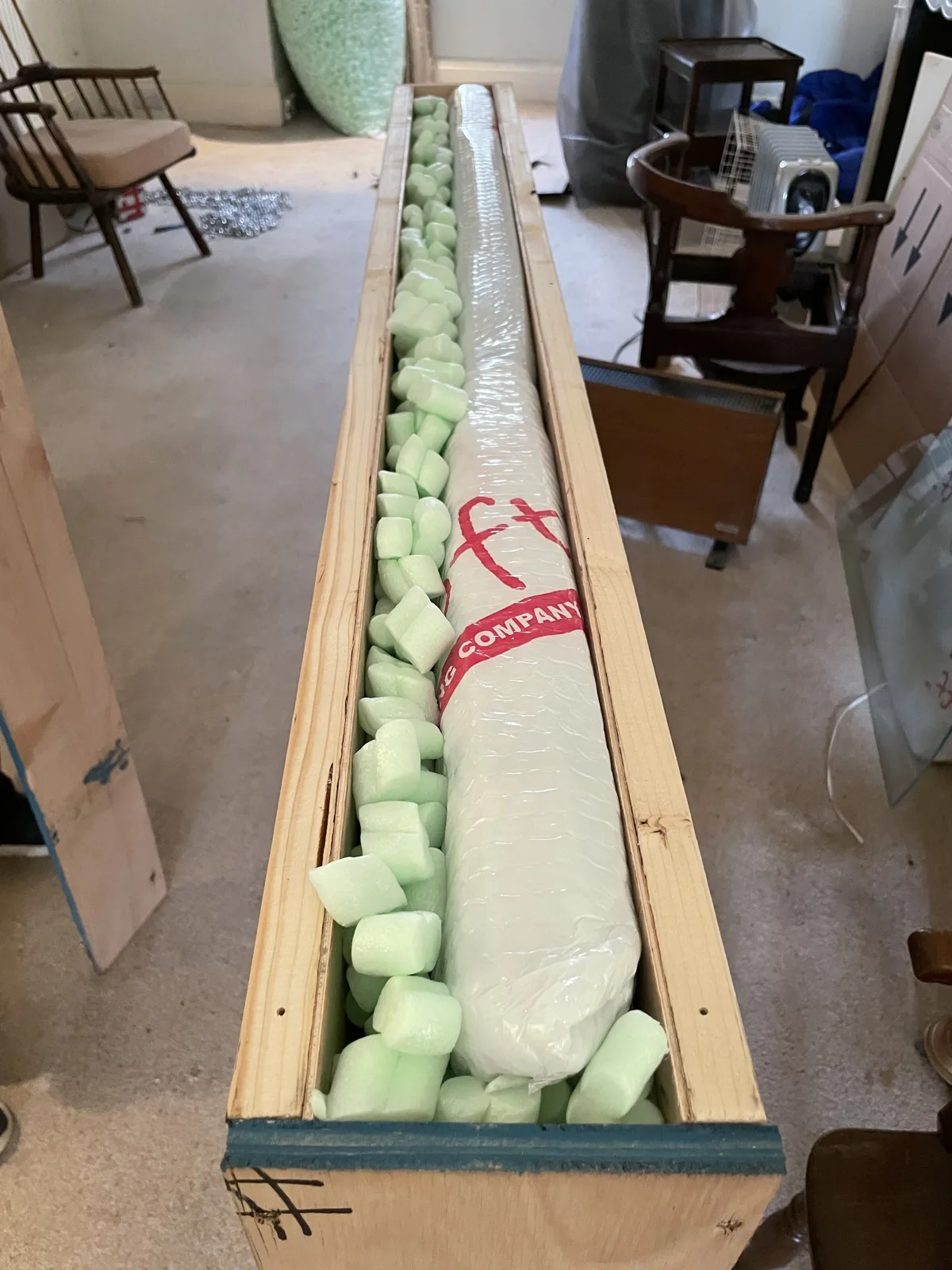
We handle nationwide and European moves, and a piano can absolutely travel as part of one, provided it is packed, padded and secured to the high standard a long journey requires. For especially valuable instruments travelling overseas, custom protection and crating may be advisable. Whatever the distance, the principle holds: a piano should always be moved by people who understand it, using equipment built for the job.
Different Pianos, Different Challenges
The right approach varies considerably with the type of piano, and an experienced team adapts the method to the instrument in front of them. Knowing a little about these differences helps you understand what your own move will involve.

Upright Pianos
The most common type in British homes, the upright is tall, top-heavy and deceptively dense. Its high centre of gravity makes it prone to tipping forward or backward, so it must be kept upright and stable throughout, moved on a dolly and never tilted carelessly. Despite being the smallest of the family, an upright still routinely weighs as much as several people combined, and its weight is concentrated in a way that makes it unforgiving if control is lost. Doorways and stairs are the main pinch points, and a trained team will assess both carefully before lifting.
Grand and Baby Grand Pianos
Grand pianos demand the most preparation of all. The standard method is to partially dismantle the instrument, removing the legs and the pedal lyre, before laying the body on its side on a padded skid board. This protects the most vulnerable parts, distributes the weight more manageably and makes an otherwise enormous object possible to manoeuvre through doors and around corners. Reassembly at the destination must be done with equal care so the instrument is properly supported and level. This is precise, skilled work, and it is precisely why a grand piano should never be entrusted to a general removals crew without piano experience.

Digital and Electric Pianos
Digital instruments are lighter and more robust internally, but they are not immune to damage, and the better models can be both heavy and valuable. The screen, keys and electronics deserve careful protection, and the instrument should still be padded, secured and handled thoughtfully rather than slung in with the boxes. While a digital piano is generally simpler to move than an acoustic one, treating it with the same respect protects your investment.
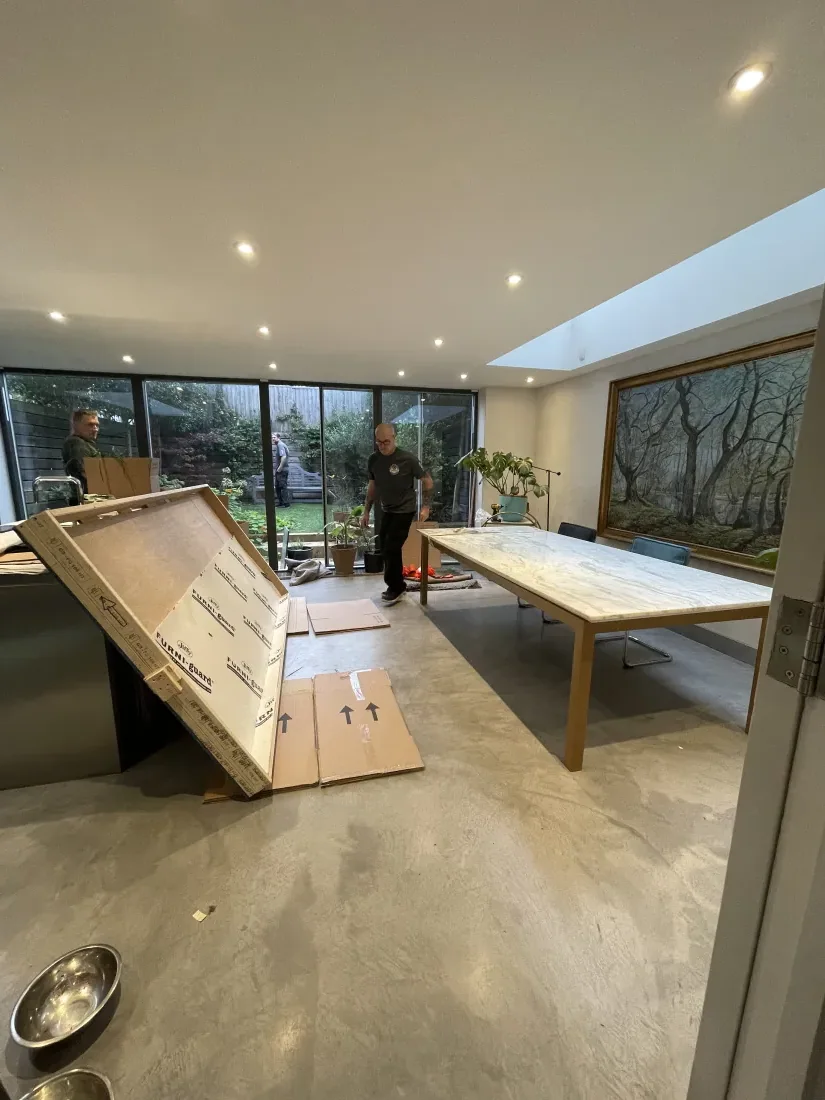
We’re a friendly, family-run Sussex removals and storage company that has been keeping its promises since 2016. From a single item to a full home or office move, every job is fully insured and led by a dedicated coordinator, so you always have one point of contact.
As a LAPADA member and a Checkatrade-verified team, we handle it all with real care — expert packing, home and business removals, clean, secure storage and specialist antiques handling across Sussex, Surrey, Hampshire and Kent.
Insurance and Peace of Mind
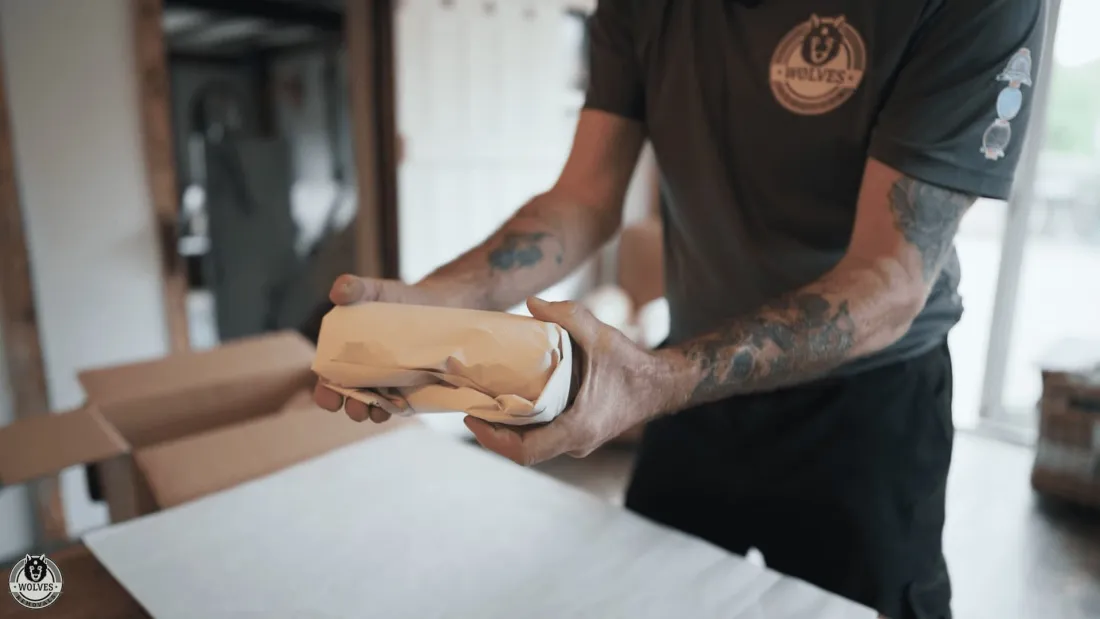
Whenever you move something as valuable and irreplaceable as a piano, insurance matters enormously. A reputable removals firm will carry proper goods-in-transit and liability cover, and you should always confirm this before booking anyone to handle your instrument. The reassurance of knowing your piano is properly covered, from the moment it is lifted to the moment it is set down in its new home, is a large part of why people choose professionals over a do-it-yourself attempt.
At Wolves Removals we are fully insured with liability cover up to £10m, and our LAPADA membership reflects the care and expertise we bring to fine, delicate and high-value items. When you hand your piano to us, you are not just paying for muscle; you are paying for the knowledge, equipment and protection that ensure it arrives in the same condition it left. That is a meaningful distinction, and one that becomes very obvious the moment something goes wrong with an uninsured, untrained move. It is always worth asking any mover, including us, exactly what their cover includes before the work begins.
Caring for Your Piano in Its New Home
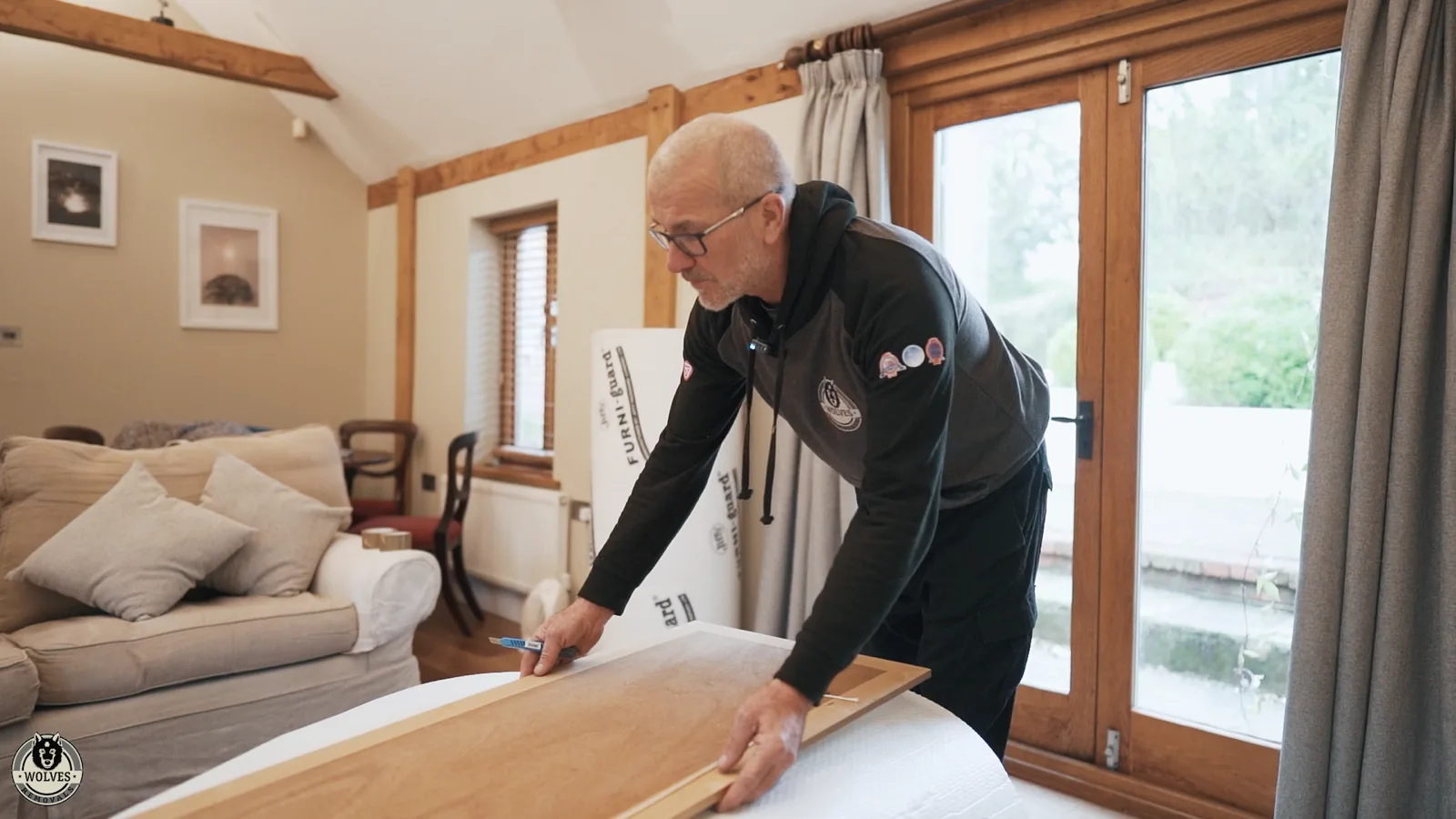
Getting the instrument safely into the new property is the main event, but a little care afterwards protects the investment you have just gone to such trouble to move. Pianos are sensitive to their environment, and where you position the instrument matters more than people often realise. Avoid placing it against an external wall that suffers from damp or cold, directly over underfloor heating, or in the path of a radiator or fireplace, as extremes and swings in temperature and humidity are the enemy of a piano's tuning and the long-term health of its soundboard and action.
Direct sunlight is another thing to guard against, both because it can fade and damage the casework over time and because it heats the instrument unevenly. A position away from windows, draughts and heat sources, in a room with reasonably stable conditions, gives your piano the best chance of staying in good voice. Once it is settled and you have allowed those few weeks for it to acclimatise, booking a tuning will bring it back to its best in its new surroundings.

How Long Does a Piano Move Take?
People often ask how long they should set aside for a piano move, and the honest answer is that it depends entirely on the circumstances. A straightforward upright move between two ground-floor rooms with easy access can be quick, while a grand piano coming down several flights of stairs and travelling across the county is a far bigger undertaking that warrants proper time and care. The factors that make the biggest difference are the type and size of the instrument, the access at both properties, the number of stairs involved, and the distance to be travelled.
This is exactly why a good removals firm wants to understand the specifics before the day. The more we know about your piano and the access at both ends, the more accurately we can plan the time, the crew and the equipment, and the more smoothly the move runs. Rushing a piano move is never a good idea, so it is always better to allow a sensible window and let the team work methodically than to squeeze the job into too tight a slot. When you request a quote, sharing photographs of the instrument and describing the access helps us give you a realistic picture from the outset.
Why Specialist Handling Is Always Worth It
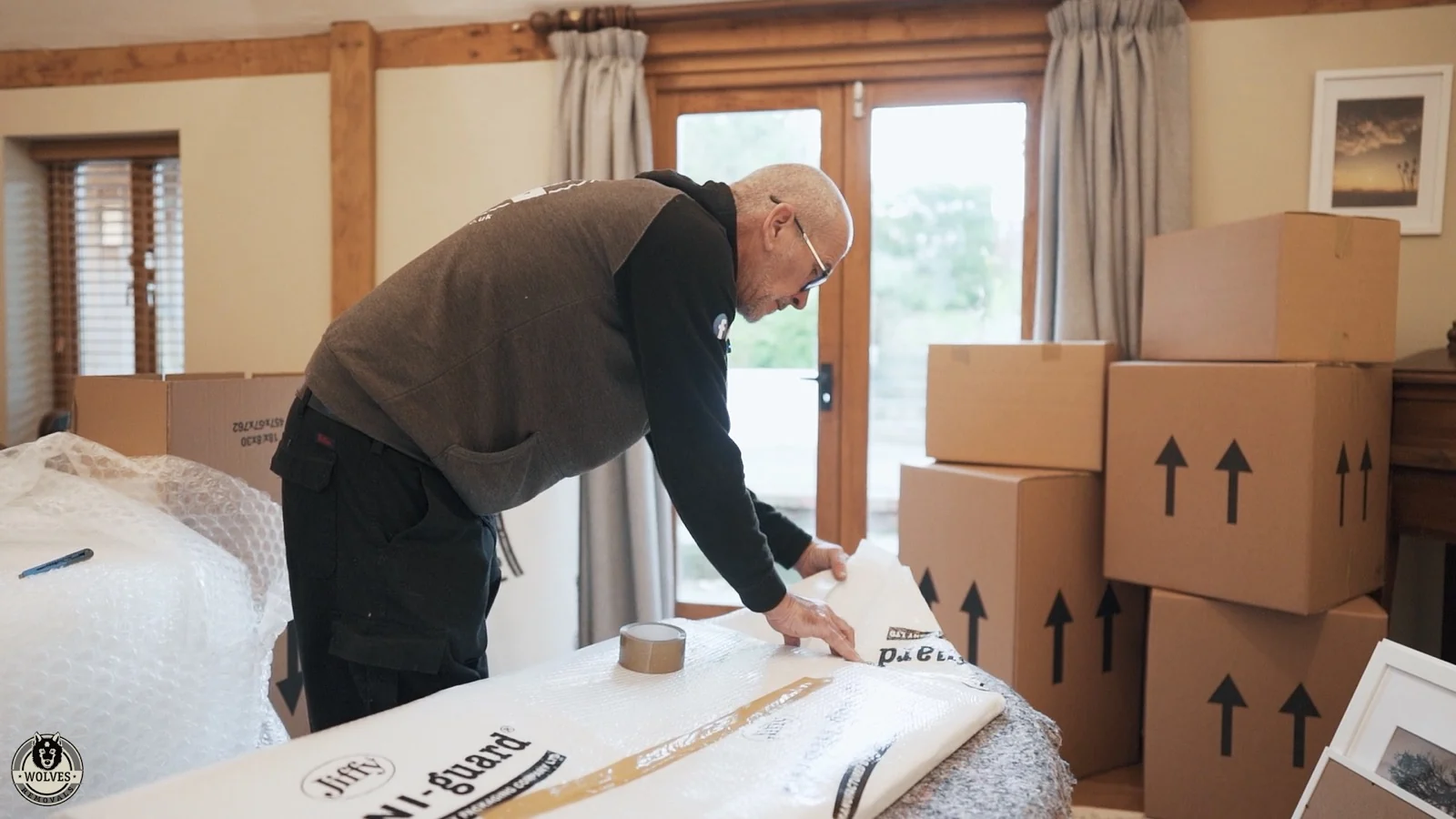
It can be tempting to view professional piano moving as an unnecessary expense, but it is better understood as protection. You are protecting an instrument that may be worth thousands of pounds, that may have been in the family for generations, and that is genuinely difficult and dangerous to move without the right skills. Weighed against the cost of repairing a damaged piano, a scratched floor or an injured back, specialist handling is almost always the sensible economy.
A piano is one of those possessions where the gap between doing it properly and doing it badly is enormous. With the right team, the move is calm, controlled and uneventful, exactly as it should be, and your instrument arrives ready to be played and enjoyed for many more years. If you have a piano to move, we would be glad to help. Take a look at our dedicated piano moving service, see how moves are typically priced on our pricing page, or get in touch directly on 01903 893731 to request a quote tailored to your instrument and your move.



Moving a Piano Safely: What You Need to Know — FAQs
An upright piano typically weighs between 150 and 300 kilograms, while a grand piano can exceed 400 kilograms. The weight is also unevenly distributed and the centre of gravity is high, which is exactly what makes a piano so difficult and potentially dangerous to move without the right equipment and training.
It is strongly discouraged. The combination of extreme weight, awkward shape and delicate internal mechanism makes pianos genuinely dangerous to move untrained. Dropped pianos cause serious injuries and catastrophic damage every year, and you also risk scratched floors, damaged walls and an out-of-tune or harmed instrument. Specialist movers are almost always the safer, cheaper option in the end.
Almost certainly. Changes in position, temperature and humidity affect the strings and soundboard, so even a flawless move can leave a piano slightly out of tune. Most technicians recommend letting the instrument settle in its new room for a few weeks to acclimatise before tuning, so it adjusts to the new conditions first.
Specialist kit including piano dollies or skid boards to take the weight, heavy-duty straps for controlled lifting and secure anchoring in the vehicle, and thick padded blankets to protect the casework. For grand pianos, the legs and pedal lyre are removed and the body laid on a padded skid board. Trained technique for stairs and tight spaces matters just as much as the equipment.
Yes. Our specialist piano moving service can be combined with our full house removals, so one trusted, fully insured team handles your instrument and the rest of your home. As LAPADA members experienced in antiques and high-value items, we treat every piano with the care it deserves. Call 01903 893731 or request a quote to arrange your move.