Clever Storage Solutions for Children's Rooms and Toys
The clever fix for children's rooms is zoning, not more furniture: a sleeping zone, a reading corner, a play area and a dressing area, each with storage matched to the activity — open baskets for toys, forward-facing shelves for books, low rails for clothes.

Set it all at the child's own height and they can put things away themselves, which is the real test of any system. With a little planning and the children involved, even a small bedroom becomes calm and easy to keep tidy.
At Wolves Removals we have helped families across West Sussex, Surrey and Hampshire pack up and move countless children's bedrooms since 2016, and we have seen first-hand what works and what quietly drives parents to distraction. The families who cope best with clutter are rarely the ones with the biggest houses. They are the ones with the smartest systems. Below we have gathered the storage and organisation ideas we recommend most often, whether you are reorganising a room you already have, kitting out a nursery, or rethinking how the family stores its belongings before, during or after a house move.
Start With a Proper Declutter
Before you buy a single new box, basket or shelf, the single most valuable thing you can do is to reduce what you are trying to store. Children accumulate possessions at a remarkable rate, and a surprising proportion of what fills a young person's room is broken, outgrown, forgotten or duplicated. Tackling that first means every storage solution you put in afterwards has to do less work.
Set aside an hour or two and work through the room with your child rather than around them. Make three piles: keep, pass on, and recycle or bin. Involving children in this process does two things. It teaches them that belongings are finite and need looking after, and it gives them a sense of ownership over the result, which makes them far more likely to keep the room tidy afterwards. Be gentle but firm with sentimental items. A photograph of a much-loved but enormous toy often preserves the memory just as well as keeping the toy itself.
If you are decluttering as part of a wider move, this is the perfect moment to be ruthless, because every box you do not pack is one less thing to carry, transport and unpack. Our collection of helpful moving tips covers room-by-room decluttering in more detail, and it is well worth a read before any house move.
Think in Zones, Not Just Furniture
The most organised children's rooms are divided into clear zones, each with a purpose. A typical bedroom might have a sleeping zone, a quiet reading corner, a play area, a dressing area and a desk or homework spot for older children. When everything has a designated home within one of these zones, tidying up becomes a matter of returning items to the right area rather than wading through a sea of mixed-up belongings.
Zoning also helps you choose the right storage for each part of the room. The play zone benefits from open, accessible baskets and bins so toys can be scooped up quickly. The reading corner needs forward-facing shelves so children can see book covers and choose for themselves. The dressing zone wants drawers and low rails set at child height. By matching the storage to the activity, you make the whole room work harder.
Keep It at Their Level
One of the most common mistakes parents make is storing everything at adult height. If a child cannot reach their toys, books and clothes independently, two things happen: they constantly ask for help, and they cannot be expected to tidy up themselves. Low shelves, floor-level baskets, child-height rails and shallow drawers all encourage independence. A good rule of thumb is that anything you want a child to use and put away daily should be reachable without standing on tiptoe or climbing.

The Best Storage Furniture for Children's Rooms
There is an enormous range of storage furniture aimed at families, and not all of it is created equal. Here are the pieces we see working hardest in real homes:
- Cube storage units. The humble cube shelving unit remains one of the most flexible options available. Filled with fabric or wicker baskets, it hides clutter while keeping everything accessible. Children can pull out a single cube, play, and slot it back. As the child grows, the same unit can hold books, games and display items.
- Under-bed storage. The space beneath a bed is often wasted. Shallow boxes on castors slide in and out easily and are perfect for bulky items such as train sets, dolls' houses or out-of-season clothing. Beds with built-in drawers take this a step further.
- Toy chests and ottomans. A lidded chest doubles as a seat and swallows a remarkable volume of soft toys and large items. Look for safety hinges that stop the lid slamming on small fingers.
- Open shelving and bookcases. Forward-facing book ledges turn a child's reading collection into a display and make it far more likely they will pick up a book on their own.
- Pegboards and wall hooks. Vertical wall space is hugely under-used in children's rooms. Pegboards, hooks and hanging organisers keep dressing-up clothes, bags and headphones off the floor and within reach.
Whatever you choose, prioritise stability and safety.
Tall units should always be anchored to the wall to prevent tipping, and avoid anything with sharp corners or fragile glass at child height. Wolves Removals
Taming the Toys
Toys are the great challenge of any family home, partly because they come in such wildly different shapes and sizes. The trick is to sort by category and by frequency of use. Group toys into clear types, such as building blocks, vehicles, figures, arts and crafts, and puzzles. Then give each category its own container.
Clear or labelled boxes are invaluable here. A toddler who cannot yet read will recognise a picture label, while older children can manage word labels. When a child can see at a glance what lives where, both finding and putting away become quicker. Avoid one enormous toy box into which everything is thrown, because it inevitably becomes an archaeological dig in which the good toys sink to the bottom and are forgotten.
The Toy Rotation Method
If your child has more toys than the room can comfortably hold, consider toy rotation. Pack roughly half to two-thirds of the toys into clearly labelled boxes and store them out of sight. Every few weeks, swap a box of stored toys for some of the ones in current use. Children rediscover old favourites with genuine delight, the room stays manageable, and you avoid the overwhelm that comes from having everything available at once.
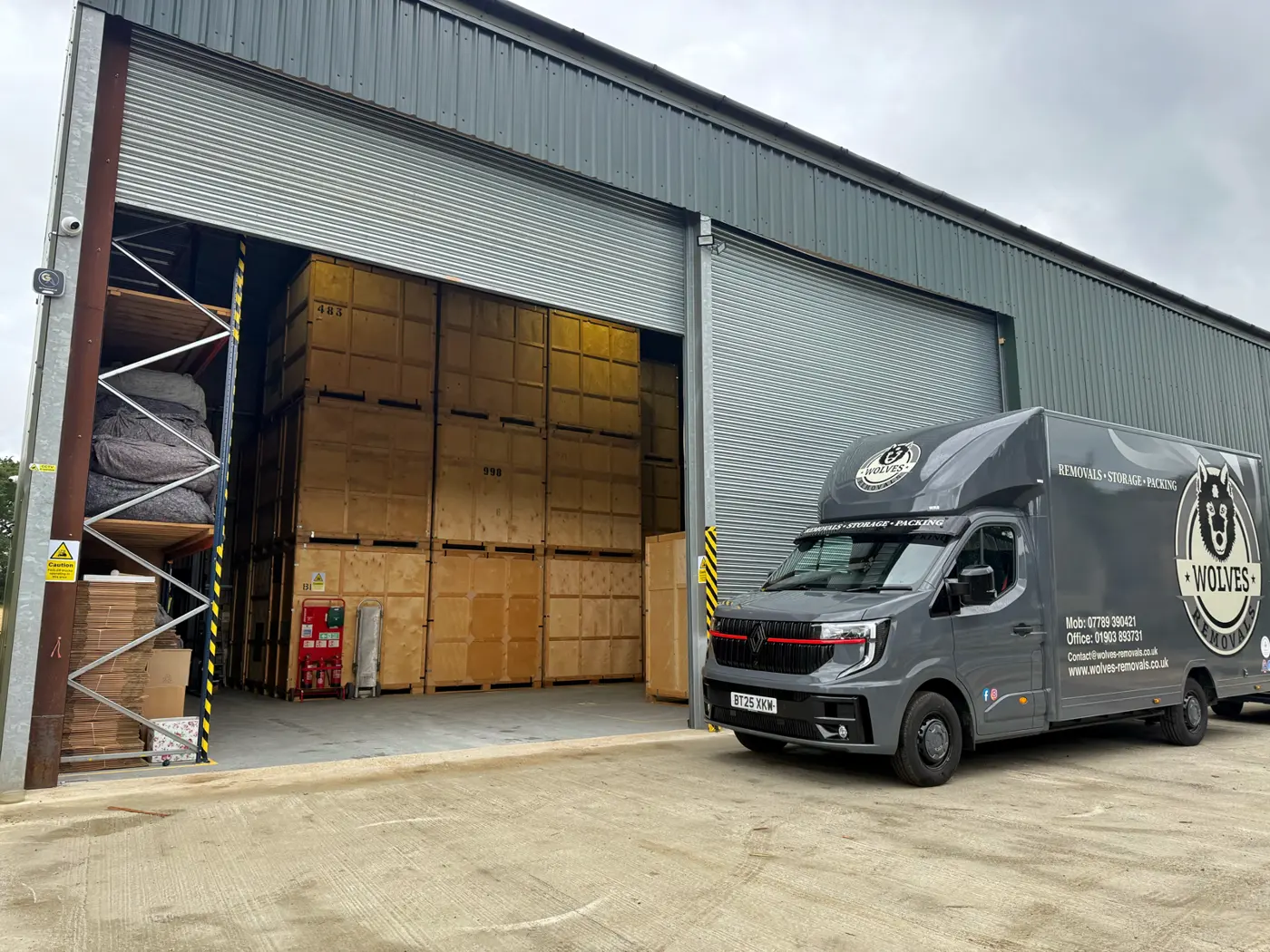
Many of the families we work with use a self-storage unit or a spare cupboard for these rotated toys, particularly if they are short on space at home. If you are considering this approach, our flexible storage service offers clean, secure space for exactly this kind of seasonal overflow, and you can get a rough sense of how much space you would need using our handy storage calculator.
Small Rooms and Shared Bedrooms
Not every family has the luxury of a large bedroom for each child, and shared rooms bring their own organisational puzzles. The key principle in a small or shared space is to go vertical and to give each child clearly defined personal storage.
Bunk beds free up floor area instantly and often come with built-in steps that double as drawers. Tall, narrow shelving uses height rather than footprint. In shared rooms, colour coding works wonders: give each child their own colour for baskets, hooks and labels so there is no confusion about whose things go where. This reduces squabbles and helps each child take responsibility for their own belongings.
Wall-mounted storage is your best friend in a tight space. Floating shelves, wall-hung baskets and over-door organisers all keep the floor clear, which makes a small room feel larger and is far safer for play. Folding or fold-down desks are excellent for older children who need a homework surface but cannot spare permanent floor space.
Organising Clothes That Grow Out as Fast as They Grow In
Children's clothing presents a moving target. Sizes change constantly, the seasons demand entirely different wardrobes, and there is often a steady flow of hand-me-downs in and out of the house. A few simple systems keep this under control.
- Sort by size, not just type. Keep only the current size readily accessible. Box up the next size up and label it clearly so it is ready when needed.
- Use drawer dividers. Small garments disappear into deep drawers. Dividers keep socks, vests and accessories separate and visible.
- Store out-of-season clothing elsewhere. Winter coats and summer shorts do not need to compete for the same drawer all year round. Vacuum bags or labelled boxes in the loft, under the bed or in storage keep the active wardrobe lean.
- Create an outgrown box. Keep a box in the wardrobe for items as they are outgrown, ready to pass on, sell or store for a younger sibling. Dealing with clothes the moment they no longer fit stops them clogging up the drawers.
Keeping the System Going
The cleverest storage in the world will not stay tidy on its own. The secret to lasting order is to build small, sustainable habits into the family routine. A five-minute tidy before bath time, a clear expectation that one activity is put away before another begins, and a regular seasonal sort all keep clutter from creeping back.
Make tidying as easy as possible. The more steps involved in putting something away, the less likely it is to happen. A basket you simply drop toys into beats a box with a fiddly lid every time. Reward systems and a bit of music can turn tidying into a game for younger children, and as they grow, the routines you established early become second nature.
Storage Around a House Move
Moving home with children adds an extra layer to the storage question. Packing a child's room thoughtfully can make the whole move far less stressful for the whole family. We always recommend packing a clearly marked box of each child's essentials and favourite toys to travel with you rather than on the van, so there is something familiar to hand the moment you arrive.
If you are between homes, downsizing, or simply need somewhere to keep the children's belongings while you decorate the new bedrooms, short-term storage can be a lifesaver. We see this constantly with growing families, and our house removals team can coordinate packing, transport and storage all in one, so nothing slips through the cracks on moving day. If you would rather just shift a few boxes and bulky items between homes or into storage yourself, our man-and-van service is ideal for smaller jobs like this. For larger collections of toys, books and furniture, take a look at our secure containerised storage options and our flexible, no-obligation online quote form.
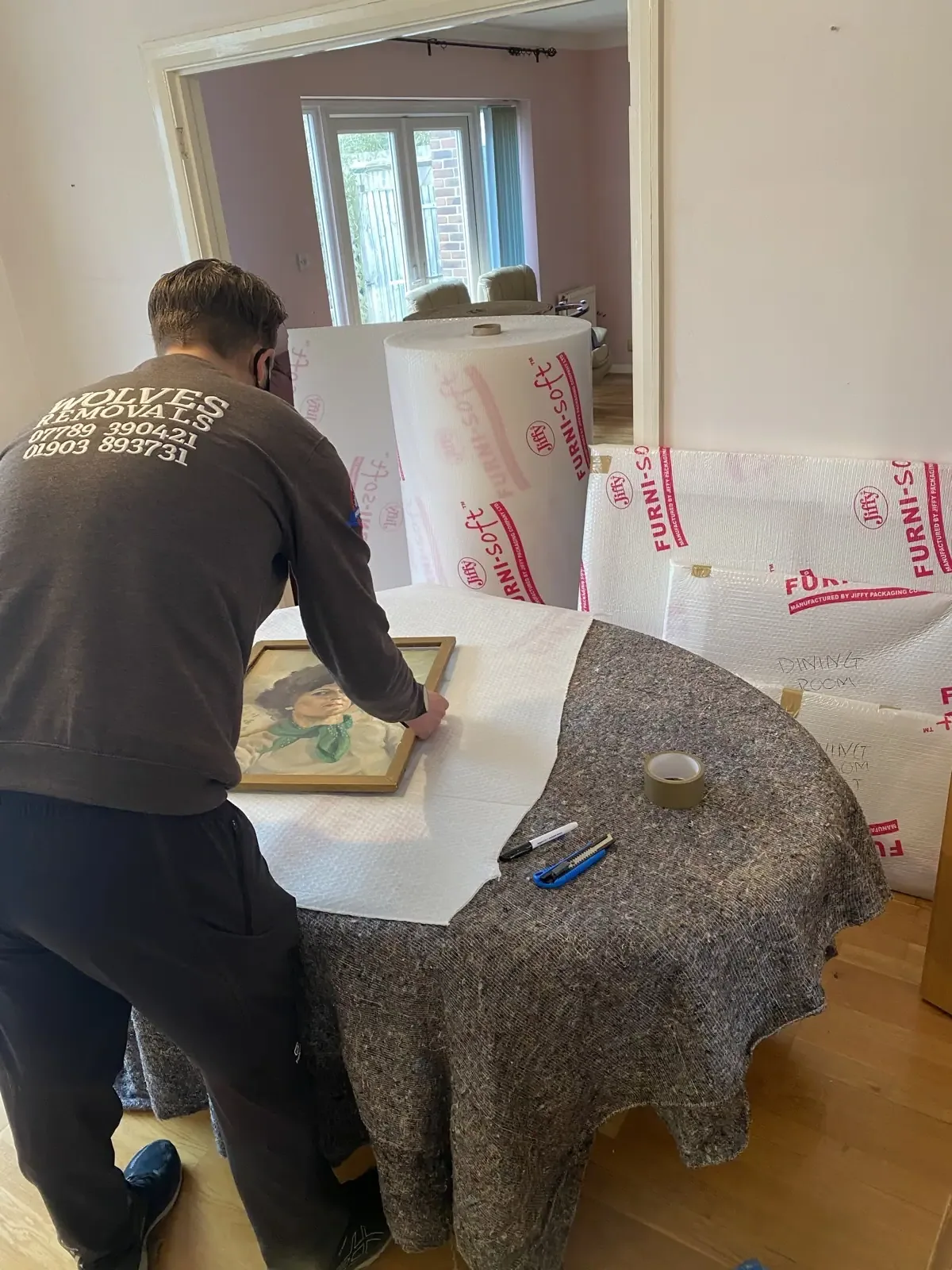
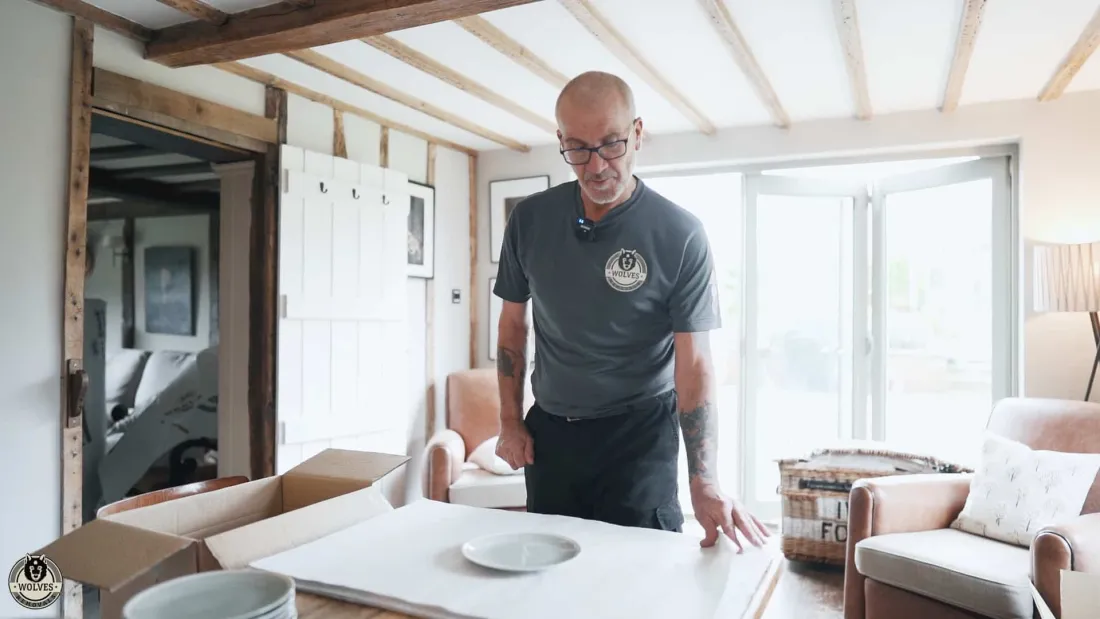
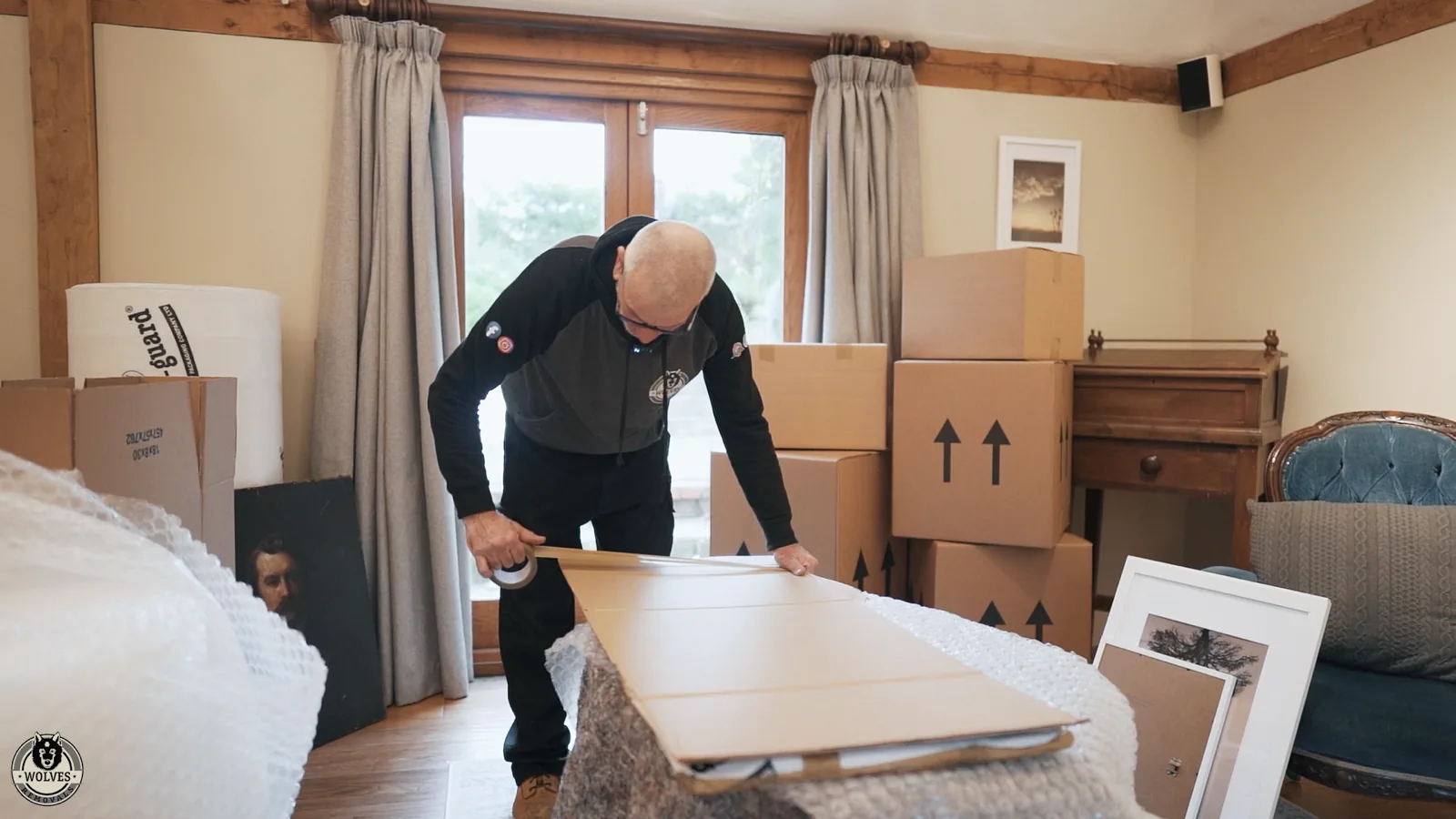
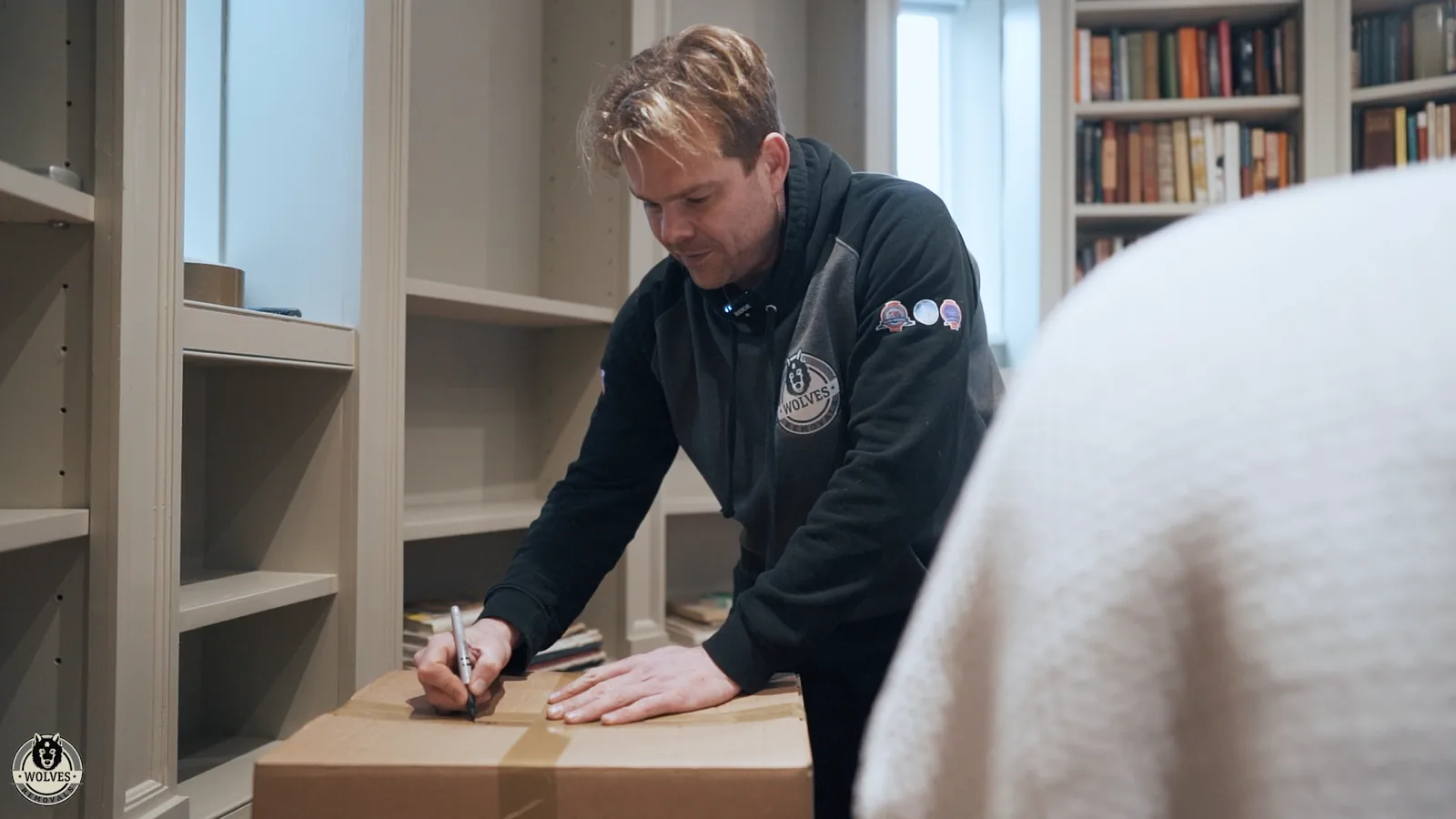
When it comes to packing the room itself, sturdy boxes, decent tape and plenty of wrapping paper make all the difference, especially for the inevitable collection of slightly fragile favourites. Our packing materials are available to buy whether or not you book a full move with us, and they are made for exactly this kind of awkward, mixed-size packing job.
Storage Ideas by Age and Stage
Children's storage needs change dramatically as they grow, and a system that works beautifully for a toddler can feel hopelessly babyish to a nine-year-old. Designing storage with the next stage in mind saves you reorganising the whole room every couple of years.
Babies and Toddlers
For the youngest children, safety and accessibility for the parent come first. Changing supplies, spare clothes and nappies want to be within arm's reach of the changing area, while toys can live in low, open baskets the child can begin to explore as they become mobile. Keep anything with small parts well out of reach. At this stage the storage is really for the grown-ups, so prioritise systems that make your day easier.
Pre-school and Early Primary
This is the age at which children can genuinely start to tidy up after themselves, provided the system is simple. Picture labels, low shelves and big, easy baskets come into their own.
Keep the number of categories small, because a four-year-old can manage half a dozen clearly defined homes for their things, but not twenty. Wolves Removals
Older Children and Pre-teens
Older children need space for hobbies, homework and a growing desire for privacy and personal space. A proper desk, more sophisticated shelving for collections and books, and lockable or personal storage all matter more now. Involve them fully in designing the layout, because at this age ownership of the system is what keeps it working.
A Few Final Thoughts
Good storage for children is never really about the boxes and shelves themselves. It is about creating systems that match how your family actually lives, that grow with your children, and that the children themselves can manage. Start by reducing what you own, divide the room into clear zones, keep everyday items at child height, sort toys by category, and build a few small habits that keep it all ticking over. Do that, and you will spend far less of your life standing on building bricks.
If a growing family is pushing you towards a bigger home, or you simply need a hand wrangling the mountain of toys and furniture that comes with children, the team at Wolves Removals is always happy to help. Give us a call on 01903 893731 and we will talk you through your options, from a quick man-and-van run to a full house move with storage included.
The Wolves Removals Team
Family-run removals · Ashington, West Sussex
We have moved families and businesses across West and East Sussex, Surrey, Hampshire and Kent since 2016, from our Ashington base. We are fully insured, Checkatrade-verified and a LAPADA Approved Service Provider for antiques and fine art. More about us, or read our reviews.
Clever Storage Solutions for Children's Rooms and Toys — FAQs
Sort toys by category into clearly labelled, accessible containers rather than one big toy box, and consider a rotation system where some toys are stored out of sight and swapped in every few weeks. This keeps the room manageable and means children rediscover old favourites instead of being overwhelmed by everything at once.
Go vertical with tall shelving, wall hooks, pegboards and over-door organisers to keep the floor clear, and use bunk beds or beds with built-in drawers to save space. In shared rooms, give each child their own colour-coded baskets and labels so everyone knows where their belongings live.
Anything you want a child to use and tidy away independently should be reachable without standing on tiptoe or climbing. Low shelves, floor-level baskets, child-height rails and shallow drawers all encourage independence and make daily tidying realistic.
Yes. Clean, secure self-storage is ideal for rotated toys, out-of-season clothing and items kept for younger siblings. Wolves Removals offers flexible storage across West Sussex and the surrounding counties, and our online storage calculator can help you estimate how much space you would need.
Declutter first, then pack by category into sturdy, labelled boxes using plenty of wrapping for fragile items. Set aside one clearly marked box of each child's essentials and favourite toys to travel with you rather than on the van, so there is something familiar to hand the moment you arrive at the new home.