
Helping Others Wrap Up Warm This Winter
As the temperature drops, most of us pull warmer layers to the front of the wardrobe and rediscover coats, jumpers and scarves we forgot we owned. Winter is the perfect moment to ask a simple question: do I really wear all of this? A wardrobe clear-out at this time of year does two good things at once. It frees up space and brings order to your home, and it puts warm clothing into the hands of people who genuinely need it. This guide shows how to declutter thoughtfully, donate well, and store the seasonal clothes you keep so they stay in good condition until next winter.
Published 2022-12-12 · Wolves Removals
Moving House Soon? Get a Free Quote
Get a fast, fixed price from your local Sussex removals team.
Why a winter wardrobe clear-out makes sense
There is a reason charities run warm-clothing appeals as the cold sets in. Demand for coats, blankets and warm layers rises sharply in winter, and the people who rely on those donations, families on tight budgets, people facing homelessness, refugees and older residents struggling with heating costs, feel the cold most acutely. At the same time, the average household is sitting on a surprising quantity of perfectly good warm clothing that simply never gets worn.
Clearing out your wardrobe this winter is one of those rare jobs that benefits everyone. You reclaim space and bring a sense of calm to a cupboard that has quietly filled up over the years. A local cause receives clothing that will be put to immediate use. And clothes that might otherwise have been thrown away stay in circulation rather than heading to landfill. As a family-run firm that has helped people across West Sussex declutter, downsize and move since 2016, we are firm believers that the best move you can make with something you no longer need is to pass it on to someone who does.

Deciding what to keep, donate and recycle
A good clear-out is a calm one, not a frantic one. Set aside an unhurried afternoon, empty the wardrobe and drawers, and sort everything into clear piles. The classic categories work well: keep, donate, repair and recycle. The honest test for the keep pile is simple. If you have not worn something in the last year or two, and it is not a one-off occasion piece, the odds are you never will.

What charities can and cannot use
Donating well means donating thoughtfully. Charity shops and clothing banks can do a great deal with good-quality items, but they are not a substitute for the recycling centre. A little care at your end saves them a great deal of sorting and ensures more of your donation reaches someone who needs it.
- Best to donate: clean, wearable coats, jumpers, fleeces, scarves, gloves, hats and warm trousers in good condition.
- Check first: shoes and boots (pair them up), bedding and blankets (many shelters welcome these, but ask), and baby or children's clothing, which is always in demand.
- Recycle, don't donate: torn, stained or heavily worn items belong in a textile recycling bank rather than a charity shop, where they can be reused as fibre or filling.
Always wash items before you donate them. A clean, neatly folded bag of clothing is far more likely to be put straight out for sale or handed to someone in need, whereas a musty bundle creates work and waste. If you are tackling a larger clear-out alongside a move or a downsize, our guide to downsizing your home has plenty more on sorting belongings without becoming overwhelmed.

Where to take your warm-clothing donations
You will rarely have to look far to find a good home for warm clothing in winter. Charity shops on most high streets accept donations during opening hours, and many will tell you which items are most needed at the moment. Beyond the high street, there are several routes worth knowing.
- Local charity shops: the simplest option, and your donation supports the charity directly through sales.
- Homeless shelters and night shelters: often run specific winter appeals for coats, sleeping bags and blankets; check what they currently need before dropping off.
- Clothing banks: found at supermarkets and recycling centres, useful for items not in good enough condition for a shop.
- Community fridges, food banks and warm hubs: increasingly collect clothing alongside food, especially in colder months.
- Schools, places of worship and community groups: frequently run their own seasonal collections for local families.
If you are clearing a whole house rather than a wardrobe, perhaps after a bereavement, a downsize or an inherited property, the volume can be daunting and the temptation is simply to skip it all. There is almost always a better way. Our house clearance service is built around diverting as much as possible to reuse and donation rather than landfill, and we are always happy to set good-quality clothing and homeware aside for charity rather than throwing it away.

Storing the seasonal clothes you keep
Once you have decided what stays, the next question is where to put it. Most of us only wear a fraction of our wardrobe at any one time, and keeping heavy winter coats jostling for space with summer linens all year round makes everything harder to find. Rotating your wardrobe by season is one of the simplest ways to keep a bedroom feeling spacious and your clothes in good condition.
How to store winter clothes properly
Clothes that are stored well come out next winter ready to wear, rather than creased, musty or, worse, holed by moths. A few habits make all the difference.
- Clean everything first: even invisible marks attract moths and set into stains over months in storage. Wash or dry-clean before packing away.
- Make sure items are fully dry: any trace of damp leads to mildew and odours in a sealed box.
- Fold knitwear, hang structured coats: heavy jumpers stretch out of shape on hangers, so fold them; tailored coats keep their shape best hung in a breathable cover.
- Use breathable storage: cotton garment bags and fabric boxes let clothes breathe; avoid sealing everything in plastic, which can trap moisture.
- Deter moths naturally: cedar blocks or lavender sachets protect woollens without the harsh smell of chemical deterrents.
If your home simply lacks the cupboard space to store a full season's wardrobe out of the way, off-site storage can be a tidy solution. A small, dry storage space keeps your winter coats, ski gear and spare bedding safe and out from underfoot through the warmer months, then ready to collect when the cold returns. For families especially, where children's clothes and kit pile up fast, our piece on storage solutions for kids offers ideas on keeping seasonal items organised rather than scattered.

Organising a clothing drive in your community
If you would like to do more than donate your own clothes, organising a small warm-clothing drive among friends, neighbours, colleagues or a local group is more straightforward than it sounds and can gather a remarkable amount of warmth for those who need it. The key is to keep it simple and to do a little planning before you start collecting.

Decide what you are collecting and for whom
Begin by choosing a cause to support, ideally a local shelter, food bank or warm hub, and ask them what they actually need. There is no point gathering a hundred summer dresses for a winter coat appeal. A clear, specific list, coats, jumpers, scarves, gloves, hats, blankets, in good clean condition, makes it easy for people to contribute the right things and saves you sorting through bags of items that cannot be used. Agreeing a drop-off point and a deadline keeps the whole effort focused.

Spread the word and make donating easy
People are generous when giving is easy. A single collection point with a clearly labelled box, a workplace, a school reception, a place of worship or your own porch, removes the friction. Set a closing date so the donations do not trickle in indefinitely, and be clear that items should be clean and wearable. A short message on a local social media group or noticeboard, explaining who the clothes will help and exactly what is wanted, will usually do more than you expect. When the drive closes, deliver everything in one trip rather than several, and thank everyone who took part, which makes them far more likely to join in again next year.

Decluttering after a loss or a downsize
Not every wardrobe clear-out is a cheerful winter ritual. Sometimes the task arises from sadder or more pressing circumstances, sorting a loved one's belongings after a bereavement, or paring down a lifetime's possessions before a move to a smaller home. These clear-outs ask for patience and kindness as much as efficiency, and there is no need to rush them.
When the emotional weight makes it hard to begin, it can help to separate the decisions. First sort purely by condition into what is wearable and what is not, leaving the harder question of what to keep for sentiment until afterwards. Wearable items that no one in the family wants can do real good donated to a winter appeal, and many people find comfort in knowing a loved one's warm coat is keeping someone else warm. Where the volume is simply too much to face alone, practical help takes the pressure off, allowing you to focus on the items that matter while the rest is handled sensitively and diverted to charity wherever possible.
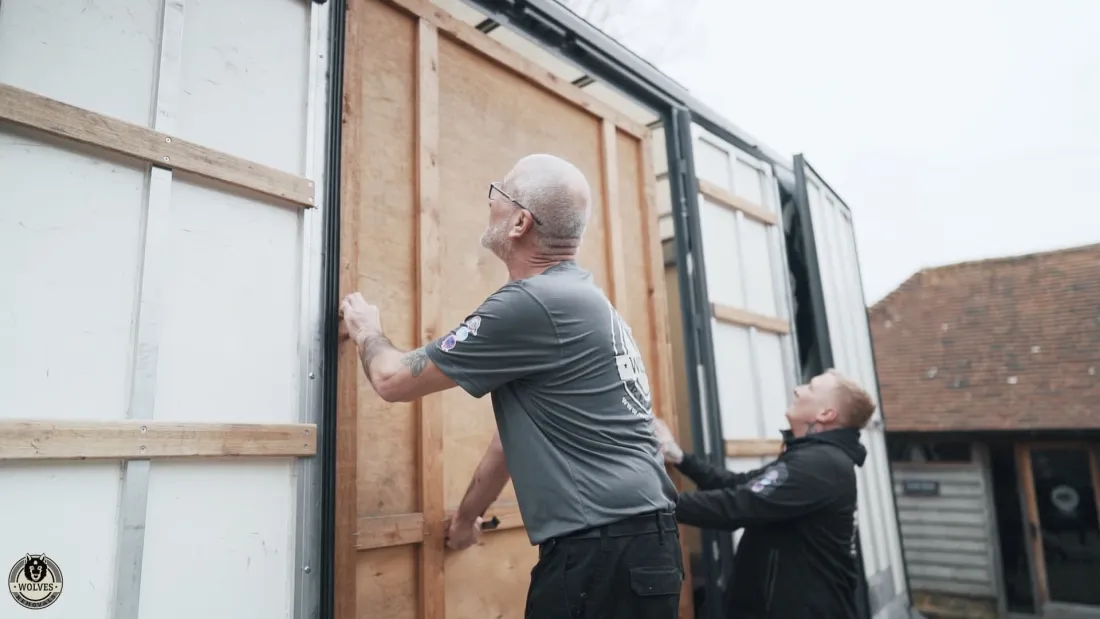
We’re a friendly, family-run Sussex removals and storage company that has been keeping its promises since 2016. From a single item to a full home or office move, every job is fully insured and led by a dedicated coordinator, so you always have one point of contact.
As a LAPADA member and a Checkatrade-verified team, we handle it all with real care — expert packing, home and business removals, clean, secure storage and specialist antiques handling across Sussex, Surrey, Hampshire and Kent.

Making decluttering a habit, not a chore
The reason wardrobes overflow is that clear-outs tend to be rare, dramatic events rather than gentle, regular ones. Shifting to a lighter, more frequent rhythm keeps clutter from building up in the first place and makes the whole thing far less daunting.
The one-in, one-out rule
A simple discipline that works for many people: each time a new item of clothing comes into the house, an old one leaves it, whether to a charity bag or the recycling. It keeps the wardrobe at a steady size and means you are always quietly topping up the donation pile rather than facing a mountain once a year.

The seasonal swap
Twice a year, as you rotate your wardrobe between summer and winter, take ten minutes to pull out anything you did not wear at all last season. If a coat sat untouched through the whole of last winter, it is a strong candidate for donation now, while a charity can put it to use straight away. Pairing your seasonal swap with a quick donation run turns two chores into one and keeps your home from accumulating clothes you have quietly stopped wearing.
Beyond clothing: other ways to help and declutter
A warm-clothing drive is a natural starting point, but the same spirit of decluttering for good extends well beyond the wardrobe. As you work through the house, you will almost certainly turn up other things that could help someone through the winter or simply find a better home elsewhere. Spare duvets, blankets and towels are welcomed by many homeless shelters and animal rescue centres alike. Unopened toiletries and tinned food can go to a food bank. Working small appliances, books and toys in good condition are gratefully received by charity shops and community projects.
The principle that ties it all together is the one worth carrying through the year: the best destination for something you no longer need is rarely the bin. Donating, gifting and recycling keep usable items in circulation, reduce what goes to landfill, and quite often help someone facing a hard winter. A clear-out done with that mindset turns an ordinary household chore into something that genuinely does some good, and it leaves your home lighter and easier to live in as a happy side effect. Make a habit of asking, before anything goes in the rubbish, whether someone else could use it first.
A small act with a real impact
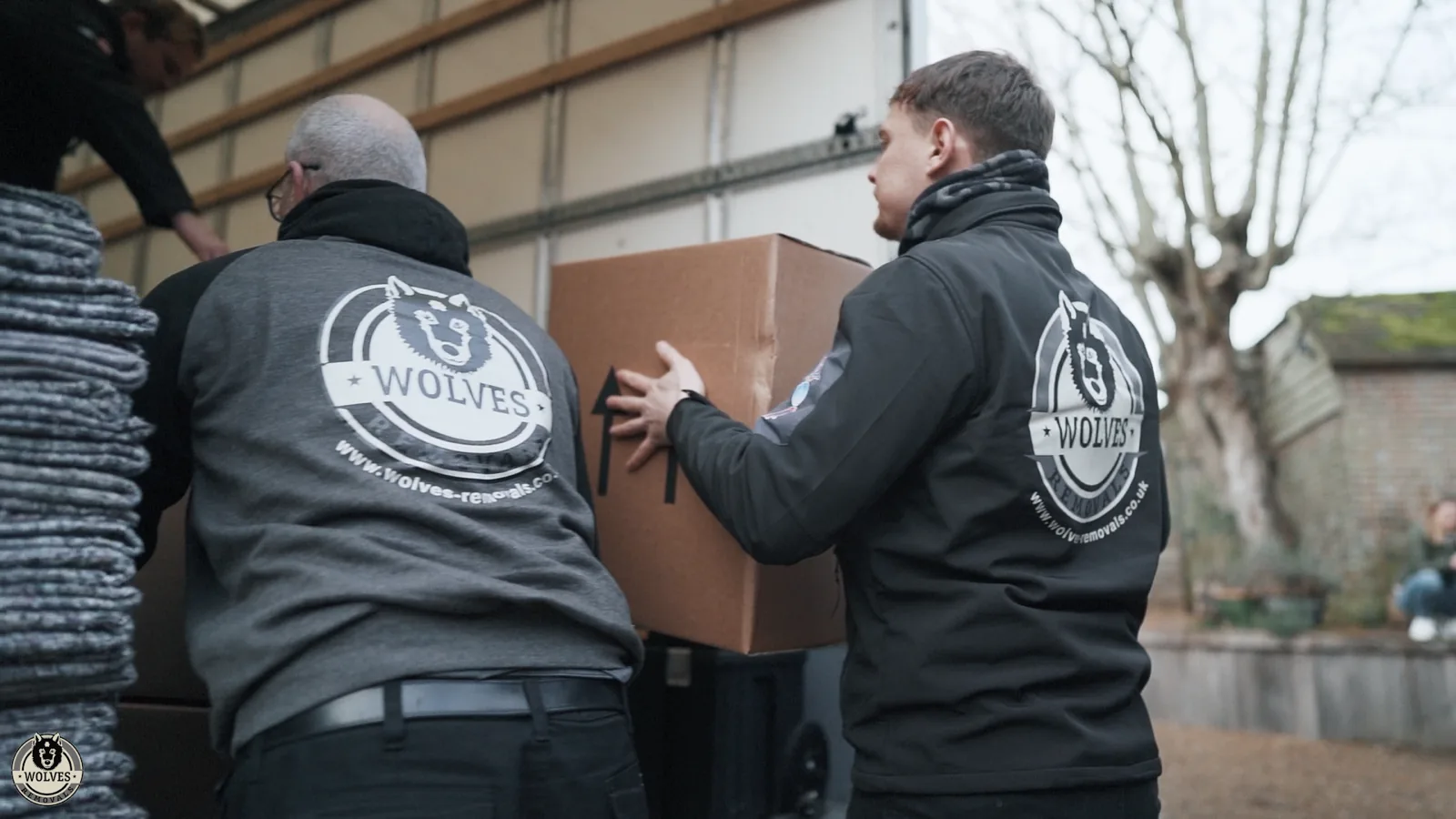
It is easy to underestimate how much a bag of warm clothing means to someone facing a cold winter without the means to buy a coat. A clear-out that takes you an afternoon can keep several people genuinely warmer, while leaving your own home tidier and your wardrobe easier to live with. There is no downside.
If a winter clear-out turns out to be the first step towards a bigger change, a downsize, a house move, or finally tackling a property full of belongings, we are here to help with the practical side. We pack, store, move and clear homes across West and East Sussex, Surrey, Hampshire and Kent, and we always aim to keep usable items in circulation rather than in a skip. For a smaller job, our man-and-van service from £80 is ideal for ferrying donations or shifting a few boxes into storage, and you can see how everything compares on our pricing page. When you are ready, request a no-obligation quote and we will tailor it to exactly what you need.

A quick winter clothing-drive checklist
- Empty the wardrobe and sort into keep, donate, repair and recycle.
- Be honest: if you have not worn it in a year or two, let it go.
- Wash and fold donations so they are ready to use straight away.
- Match the item to the right place: shop, shelter, clothing bank or recycling.
- Clean and fully dry the clothes you keep before storing them.
- Use breathable storage and natural moth deterrents like cedar or lavender.
- Consider off-site storage if your home lacks seasonal cupboard space.
- Adopt a one-in, one-out habit so clutter never builds up again.
Wrap up warm this winter, and help others to do the same. A little decluttering, done with care, keeps your home in order and puts warmth where it is needed most.




Helping Others Wrap Up Warm This Winter — FAQs
Coats are top of almost every winter appeal, along with warm jumpers, fleeces, scarves, gloves, hats and warm trousers. Blankets and sleeping bags are often welcomed by shelters too, though it is worth checking first. Children's and baby clothing is always in high demand. Donate items clean, dry and in genuinely wearable condition.
Clothing that is torn, stained or heavily worn should go to a textile recycling bank rather than a charity shop, where it can be reused as fibre or filling rather than sent to landfill. You will find textile banks at most supermarkets and recycling centres. Reserve charity-shop donations for clean, wearable items in good condition.
Clean everything first, as marks attract moths, and make sure items are completely dry to avoid mildew. Fold heavy knitwear so it keeps its shape and hang structured coats in breathable covers. Use fabric storage boxes or garment bags rather than sealed plastic, and add cedar blocks or lavender sachets to deter moths naturally.
Clearing a full property, perhaps after a downsize or bereavement, is a big job, but most of it need not go to waste. A house clearance service can sort belongings and divert good-quality clothing, furniture and homeware to charity and reuse rather than landfill. Set anything usable aside for donation before deciding what genuinely needs disposing of.
Two simple habits help. A one-in, one-out rule, where an old item leaves each time a new one arrives, keeps the wardrobe at a steady size. And a twice-yearly seasonal swap, pulling out anything you did not wear last season and donating it, stops clothes you have quietly stopped wearing from piling up.